World Kidney Day today comes with the welcome news that Cayman is moving closer to having its first on-island kidney transplant – more than a decade after lawmakers passed legislation to make such operations legal here.
Early next month, the Human Tissue Transplant Council is expected to approve Health City Cayman Islands as a facility at which kidney transplants can be carried out. After that, Cabinet makes the final determination.

Dr. Amit Mahapatra, a kidney transplant surgeon and nephrologist, or kidney specialist, at Health City says he already has patients and suitable donors who are ready for transplant operations.
“A transplant could change their lives,” Mahapatra told the Compass, adding that patients would see an improved quality of life because they don’t have to visit a dialysis unit several times a week, and likely have longer life spans following the transplant surgery.
Long road to transplants
Lawmakers passed the Human Tissue Transplant Act in 2013, though it only came into effect five years later.
The Human Tissue Transplant Council – a Cabinet-appointed body tasked with advising the health ministry – was formed in 2018, after related regulations were introduced.
The introduction of legislation to permit organ transplants in Cayman was one of the stipulations in the government’s agreement with Dr. Devi Shetty to establish Health City, which opened in 2014.
Overseas surgeries
Mahapatra, who arrived in Cayman in January, has been in medicine for more than 17 years and has worked in nephrology and kidney transplant medicine in India for the past 10 years. He says he has carried out more than 300 kidney transplants.
Currently, any Cayman residents who need a kidney transplant have to go overseas to get one.
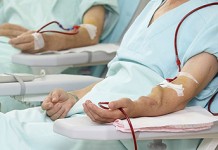
According to Health Services Authority’s nephrologist Dr. Racquel Lowe-Jones, there are currently 64 residents of Cayman on thrice-weekly dialysis – 60 at the Cayman Islands Hospital and four on Cayman Brac. The hospital in George Town has 12 dialysis chairs, and the Brac’s Faith Hospital has one.
Conditions like high blood pressure and diabetes – of which there are high rates in Cayman – can damage the kidneys, leading to kidney disease. Patients with advanced kidney disease must undergo dialysis to remove waste products and excess fluid from the kidneys, which take three to five hours each time, and is done three times a week.
“Currently, we have 24 patients who have been referred for transplant evaluation, three of whom are active, meaning they can be called at any moment to get a transplant,” Lowe-Jones said.
Several people in Cayman have received kidney transplants in Florida over the years – most recently, just last month, she said, adding that, at the moment, she is seeing four patients for follow-up care and checks who had undergone transplants overseas.
Patients spend three to six months in the US immediately following their operations, and then need regular medical checks for the rest of their lives, she explained.
The average life expectancy following a kidney transplant is 15-17 years, Lowe-Jones said.
Mahapatra says there are a number of patients in Cayman who already have suitable and willing donors among their family.
Initially, only kidney donations from known donors, such as relatives, with the same blood type as the patient, will be involved.
Mahapatra said transplants involving incompatible blood types or donations from individuals who are brain-dead are not currently being considered, but they may be at a later time.
Cayman does not have an organ donor card system, though a process to set up an organ donor registry is included in the regulations that were approved in 2018.
Human Tissue Transplant Council considerations
Dr. Diane Hislop-Chestnut, chair of the Human Tissue Transplant Council, said the introduction of an organ transplant surgeon at Health City had been the vital component in establishing local protocols for transplants.
The council had come close to finalising the protocols in early 2020, but COVID stalled those efforts.
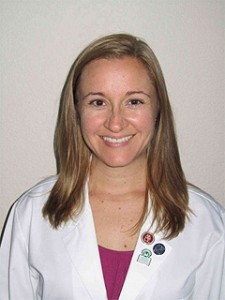
Hislop-Chestnut said the council has had to be very conservative in its approach to approving transplant protocols, as there are many other factors outside the medical ones to consider, such as the ethical and psychosocial issues.
“The Human Tissue Transplant Council has been meeting quarterly for the past couple of years, going through proper protocols and safety measures. … It is a critical part of what needs to be done on the island, especially with the high rate of dialysis.”
She added that the council has had to look into and consider many different aspects that relate to transplants, such as pre- and post-assessments of patients and donors, the issue of organ trafficking, the legal framework and registration of healthcare facilities, and, ultimately, ensuring “the absolute best for patients”.
The regulations require a healthcare facility must apply to Cabinet to be
authorised to operate a tissue bank or transplant centre, or both.
There have been human tissue transplants, such as with corneas and knee ligaments, in Cayman previously, but no organ transplants involving living donors have been carried out.
World Kidney Day
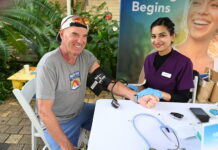
To mark World Kidney Day, the Health Services Authority is holding a free health screening event today, Thursday, 14 March, from 7:30am to 12:30pm in the Cayman Islands Hospital Atrium (the front entrance).
The HSA is encouraging people to attend and get their blood pressure and glucose levels checked. Clinical professionals, including a physician and dietitian, will be in attendance to answer questions.
The theme of this year’s World Kidney Day is ‘Advancing equitable access to care and optimal medication practice’.
According to worldkidneyday.org, it is estimated that chronic kidney disease affects more than 850 million people worldwide, and resulted in over 3.1 million deaths in 2019. Kidney disease ranks as the 8th leading cause of death, and if left unaddressed, it is projected to be the 5th leading cause of years of life lost by 2040.
Keeping kidneys healthy
1. Drink a lot of water.
2. Have a low-salt diet.
3. Control weight and get regular exercise.
4. Avoid over using over-the-counter medication, like pain-killers, unless instructed by a doctor.
5. Get an annual check-up if you have a family history of diabetes, hypertension or kidney disease.
Related Videos