

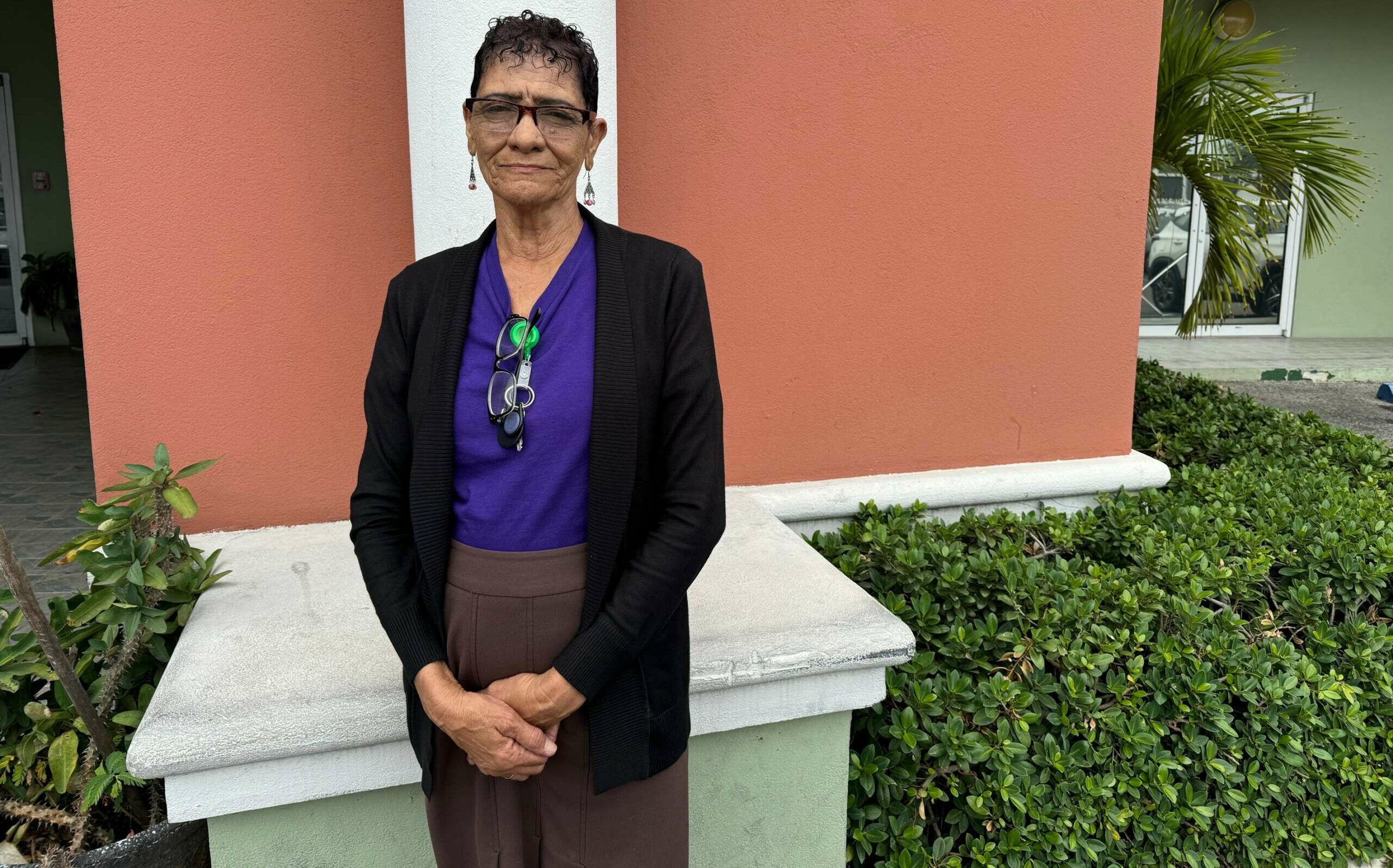
“I’m angry. They’re destroying the island and not protecting what they’ve sworn to protect.
“I’m going to fight on.”
So promises the woman who is opposing the construction of more than 80 apartments and 90,000 square feet of commercial space on Batabano Road, West Bay, which she says will further increase flooding in her neighbourhood.
The project has been granted planning permission by the Central Planning Authority, following its 28 Feb. meeting, the minutes of which were published this week.
The minutes do not reflect how committee members voted, but the Compass understands this was a 7-6 split decision, with several members arguing vociferously against giving assent.
Following news of the planning board’s decision:
- Wilma Ebanks who objected to the plan at last month’s meeting vowed to appeal
- one Batabano homeowner threatened to sue the government
- experts debated whether the committee understood its own responsibilities
- and the director of the Department of Environment said it showed the island’s development plan was “not fit for purpose”.
‘They’re giving away the island’
The proposal by the West Village Development Company Ltd, approved by the Central Planning Authority, is for a multi-million dollar mixed-use development of four buildings: one with 32,000 square feet of retail space and 58 apartments; one with 6,000 square feet of retail space and 12 apartments; a third with 600 square feet of retail space and 12 apartments; and a fourth with 42,000 square feet of retail and storage units.
Bank worker Wilma Ebanks, 68, who has lived in her home less than 200 feet from the proposed development for more than 40 years, objected passionately to the plans in the meeting last month, telling planners, “you’re destroying Cayman”.
Following news of the planning board’s decision, she spoke of her anger and told the Compass the committee’s own regulations committed its members to preserving mangrove swamps and protecting the quality of life for Caymanians.
She said, “They’re giving away the island. I’m not saying we shouldn’t have growth, but slow it down so it doesn’t overpower us.
“This used to be an area of peace and quiet. You could walk into the swamp and see hickatees, mallards, exotic birds that had escaped from people’s homes.
“We used to fish for tarpons and fry them right there.
“Now it’s all going – and Planning doesn’t care.”
She is going to appeal the decision, on grounds including an alleged failure to consider whether the amount of hard surfacing will exceed regulations, and whether the department is abiding by its own rules on protecting crucial mangroves.
“I’m not doing this for myself, I’m doing this for my neighbours and my fellow Caymanians,” she said.
Threat to sue government
Upon hearing of the decision, one Batabano homeowner, who spoke on condition of anonymity, said, “If my property floods due to these developments, I’m going to sue the government for negligence.
“Properties which have never flooded before will flood now for sure – and who’s responsible for that?
“It’s the CPA, acting on behalf of the government.
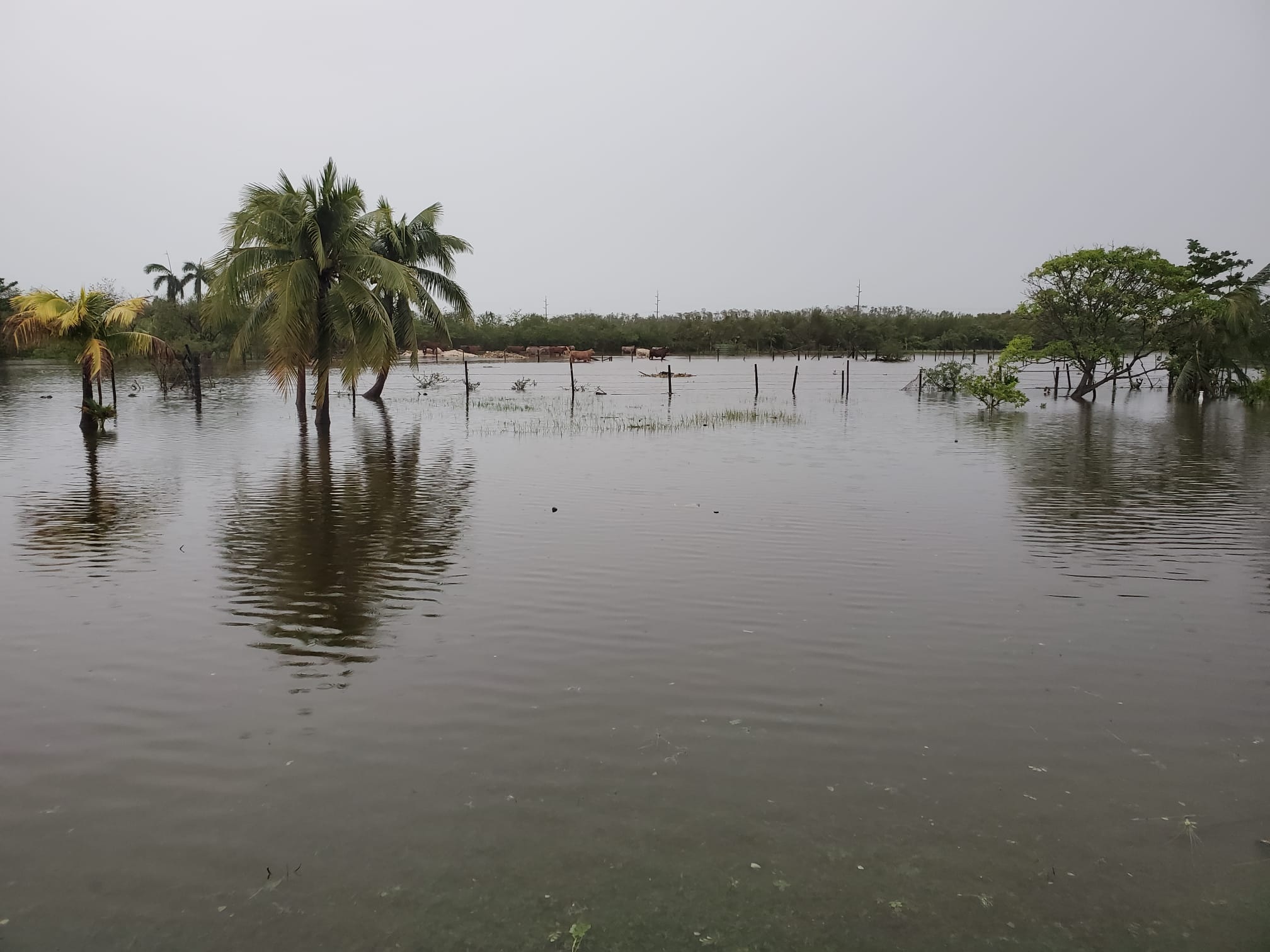
“It’s not rainy season yet – but when it rains those plots across the road flood, that’s the catchment area.
“But when they’re covered, where is the water going to go?”
Cumulative impact on flooding
A central issue is the potential flood impact of multiple developments in the area, including a planned police station and the large Legoland development on the adjacent plot.
Does the planning committee have the right – or the responsibility – to take into account cumulative impacts, or must each application be decided in isolation?
In her emotional objection last month, Ebanks told the committee that in 48 years in her home she had never had problems with flooding until the coming of recent developments.
“They’re filling up the swamp,” she said, “and what’s going to happen? There’s no drainage system.”
She called on the board members to reject the proposal, describing it as a step too far for the low-lying area.
Planning authority member Celecia Bancroft seemed to agree, saying in the meeting: “You can’t just move downwards, let that fill up, and move on to the next one, and the next one. It will eventually be everyone who has the problem.”
But, in its ruling, published Monday, the planning board said, “The applicant will be responsible for containing drainage on their property… Regarding flooding being caused by development on other properties, that is not the responsibility of the applicant and is outside of the remit of the Authority to address through this application.”
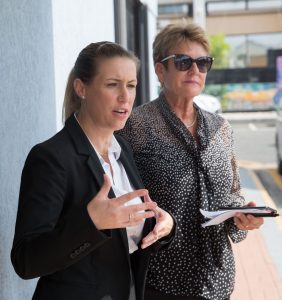
Experts were divided in their analysis.
Property law expert Kate McClymont of Nelsons said, “The CPA do have the right to take into account the impact of their decisions on surrounding properties.
“If the CPA were constrained only to approve applications that fall within the maximum tolerances, they would serve little purpose.”
She added, “I think their role is absolutely to look more broadly at the impact of these projects on the community on the whole.
“If everyone involved accepts a particular project is going to cause flooding to neighbouring properties, they have to take that into consideration.”
But Sammy Jackson of Jackson Law, a frequent advocate for developers, said the CPA made every development responsible for water which fell inside its own borders, but had no powers to refuse planning permission just because a proposal might impact drainage for a neighbour’s site.
He said, “Planning has to look at every proposal based on its merits. They shouldn’t be able to say ‘you can’t develop your land because your neighbour can no longer drain water onto your plot’.
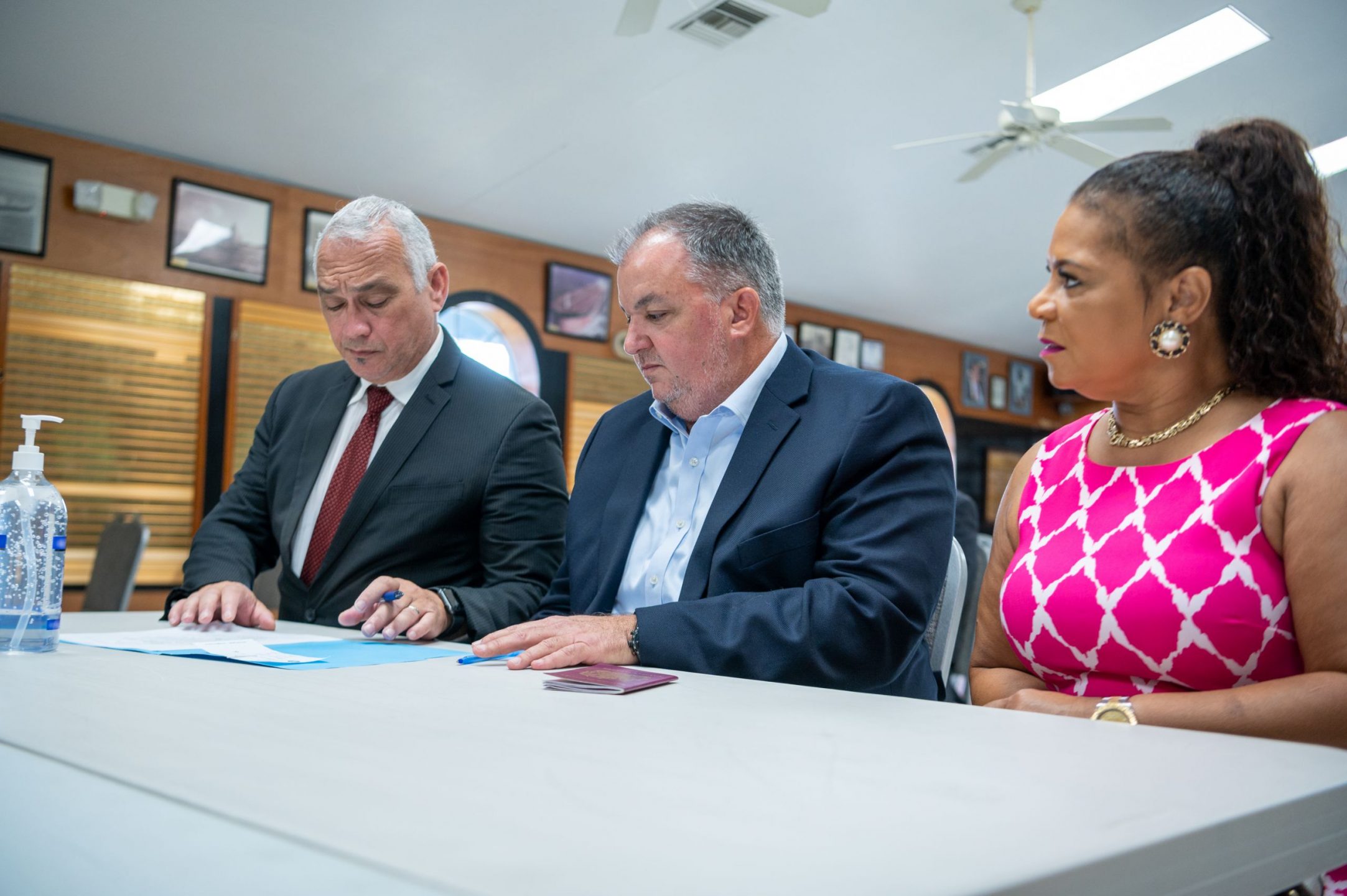
He added, “As we build out sites, older sites in particular are prone to flooding, we’ve had that problem for a while.”
He pointed out that if a policy were put in place banning development in areas where modern building standards might cause runoff onto older neighbouring sites, only tiny portions of the island would be available for development.
And in that case, he said, owners who had bought their plots under current zoning rules anticipating certain development opportunities, might have to be compensated.
‘Not fit for purpose’
The director of the Department of Environment Gina Ebanks-Petrie said the DoE does believe it is the responsibility of the planning authority to take into account the wider effects of their decisions in relation to land use changes.
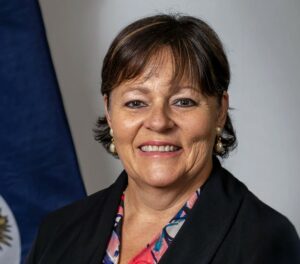
She said, “Converting wetland to residential or commercial development obviously has a knock-on impact on the adjacent area being able to accept stormwater and mitigate it through absorption into the wetland.
“This only emphasises the immediacy of the need for a revised development plan.
“The Development Plan is meant to be the policy framework that guides the CPA.
“The current plan is so out of date, it is disconnected from the needs of the people of the Cayman Islands and its environment. It is no longer fit for purpose.”
Related Videos












Where is the Master Plan for development of Grand Cayman? There should be NO building in wetland areas!
Government , wake up!
Nearly all applicants for large development projects are corporate. It should be a legal requirement that all the individuals owning these companies be named in their application and published by the CPA.