

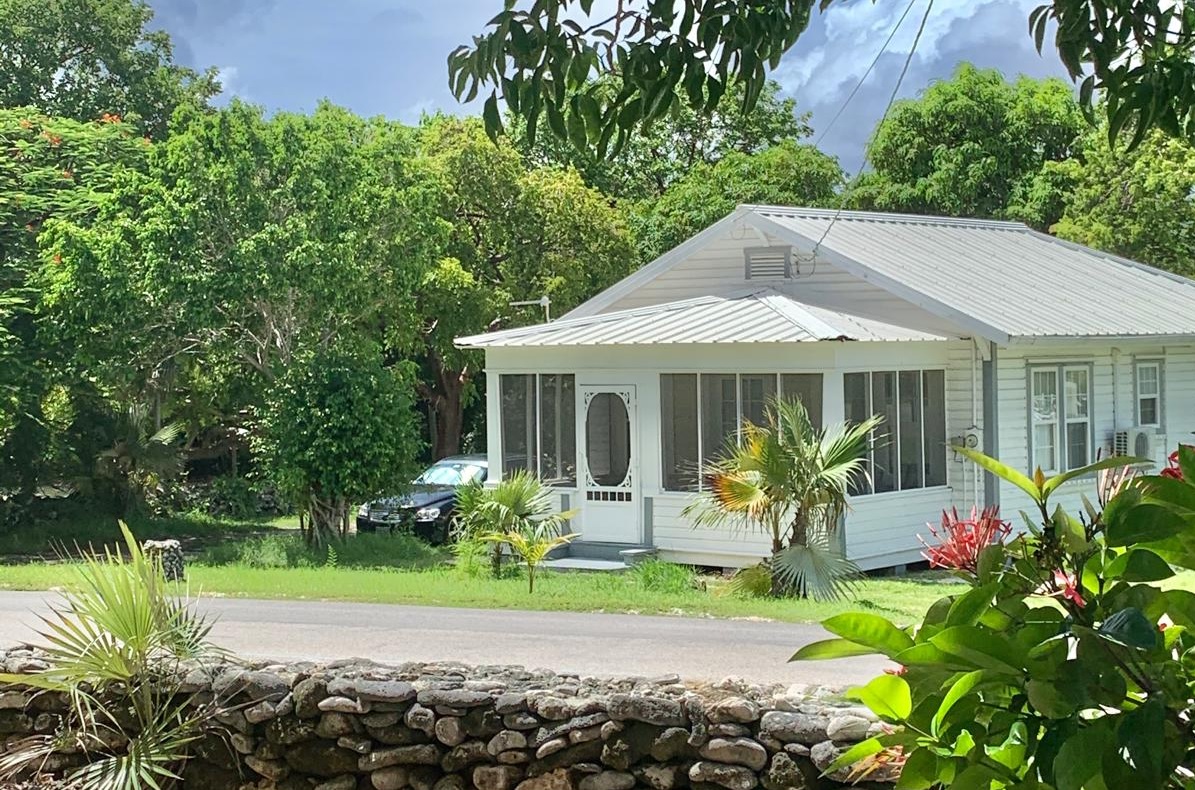
Three old Caymanian homes, now owned by government, have been torn down in Cayman Brac over the past two weeks.
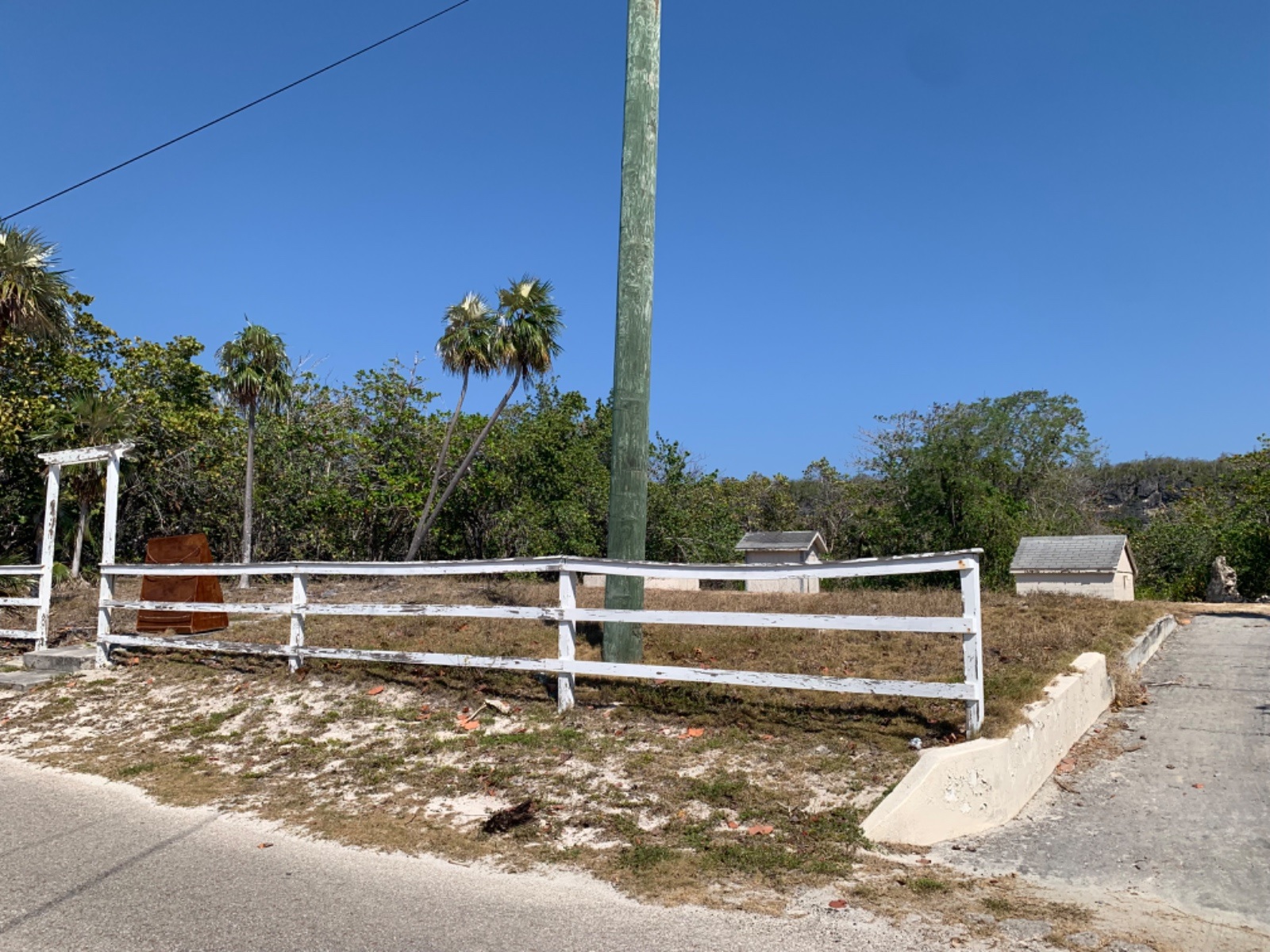
The first of the three to be torn down, on 13 April, was in Stake Bay, and had been on the National Trust for the Cayman Islands’ Heritage Register. The other two – the ‘Teacher Hill’ and the former Edward Ritch houses – in Northeast Bay were torn down a week later, on Saturday, 20 April.
When the Compass, alerted by local residents, contacted the Ministry of District Administration on the Brac, we were informed that the buildings had been structurally unsound and that they would be rebuilt in the same style and design as the demolished houses.
The Trust’s Heritage Register is a record of natural, historic and cultural resources in Cayman which are considered to be “nationally significant and worthy of preservation”. However, there is no legal requirement for property owners to inform the National Trust of the demolition of structures on that register.
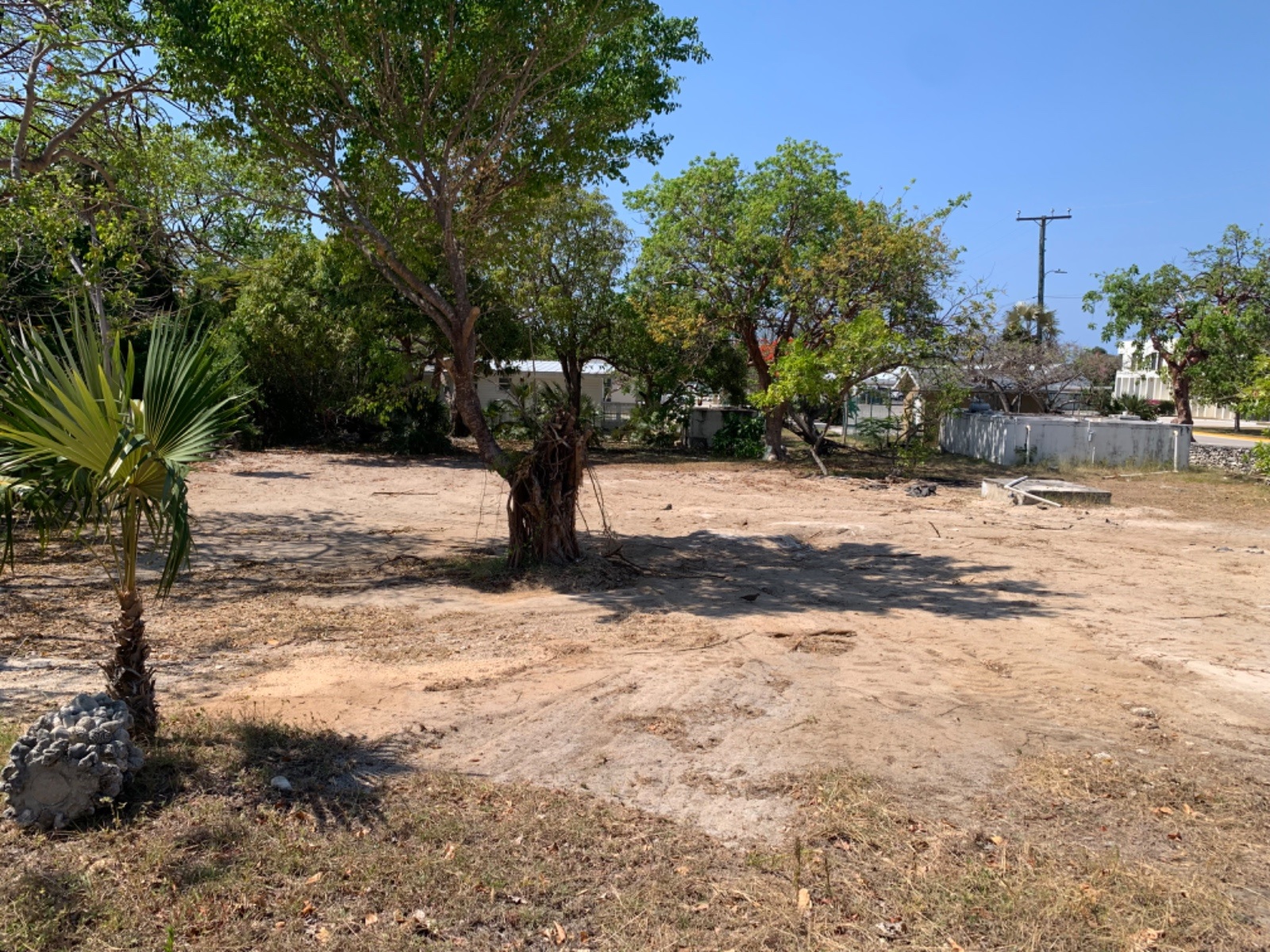
The destruction of the houses on the Brac was met with surprise by some in the community, who questioned why this was done.
Rebuilding the homes
“The old cottages were demolished as they posed a health and safety risk,” Wilbur Welcome, acting chief officer in the ministry, said in an emailed response to Compass queries. “All three homes were no longer structurally sound and suffered from significant wood lice/termite damage.
“The intention of the Ministry is to rebuild the homes with the exact same layout, design, and features, only now using newer materials to ensure the structural integrity of the buildings.”
Welcome said the ministry does search the National Trust Heritage Register before making a decision to tear down such cottages, “and if one of the homes is on the register, this was missed due to human error”.
The reconstructed cottages will be used to house government staff visiting Cayman Brac, who would otherwise find it difficult or costly to find housing “due to a lack of medium- to long-term accommodations”, Welcome explained.
The National Trust’s executive director, Frank Roulstone, confirmed that government had not informed the Trust of its intention to demolish the buildings.
“The Trust has made recommendations to Government for revisions to the planning law over a year ago which would give historic sites a better chance of survival but we have had no response,” Roulstone said.
He explained that, usually, a demolition application is done as part of a planning application for a new project, “resulting in a situation such as the on-going cooperative approach that is presently taking place with the owners of the historic home on Boggy Sand Road“.
He said the Trust does not have any legal powers to protect historic sites – except by owning them – but often becomes aware and involved as a result of the planning process.
“In the case of the Brac homes, I am not aware if any application was made regarding their destruction, nor am I aware of what future plans are for the properties concerned,” he said.
He added, “The Trust is obviously saddened by this and any other destruction relating to our quickly vanishing built and natural heritage.”
The two houses in Northeast Bay were torn down on the same weekend that the National Trust was celebrating the official opening of the newly renovated Eldemire House in Creek on the Brac.
That home, built in 1928, had been donated to the Trust in 2005 by the Eldemire family, and work on renovating it had been going for more than a year.
‘Disheartened’ by demolition
Brac resident Simone Scott, who is a member of the Cayman Brac District Committee of the National Trust, said she’d been surprised and “disheartened” by the demolition of the three cottages.
When informed by the Compass about what the ministry said it had planned for the sites, she said, “Hopefully they salvaged what could be saved from each house to use back in the same location, like windows, etc., otherwise, it doesn’t really make sense.
“But at least it’s something, that they have a plan. That’s good.”
Scott pointed out that what makes buildings like these historic was not just the year they were built, but the types of materials used, the workmanship and techniques used by now-deceased builders, that are not used nowadays. “They are our heritage,” she added.
Scott also noted that many of these old homes built before 1950 were constructed from local ironwood and mastic trees.
‘Maintaining built heritage’
Welcome told the Compass that the ministry is “always eager and desirous of retaining and maintaining our built heritage”.
He added, “This is evidenced through recent acquisitions, such as the Bert Mason House in Cayman Brac, as well as the continuous efforts to relocate our salvageable built heritage to the Cayman Brac Heritage House, plus our ongoing maintenance of the historic museum in Cayman Brac.”
Welcome said the Department of District Administration has a repairs budget which will be used to reconstruct the homes, work on which is expected to begin in August this year.
“We are currently working with the Department of Planning on any necessary planning approvals as the intention is to re-build the exact same homes simply using different materials,” he said.
He confirmed that the government had bought the houses some time ago and that they were not recent purchases.
Related Videos












Pretty much everything the govt does on the Brac is met with surprise as there is zero chance for the public to object and/or support. How can you rebuild a piece of history?! 😞