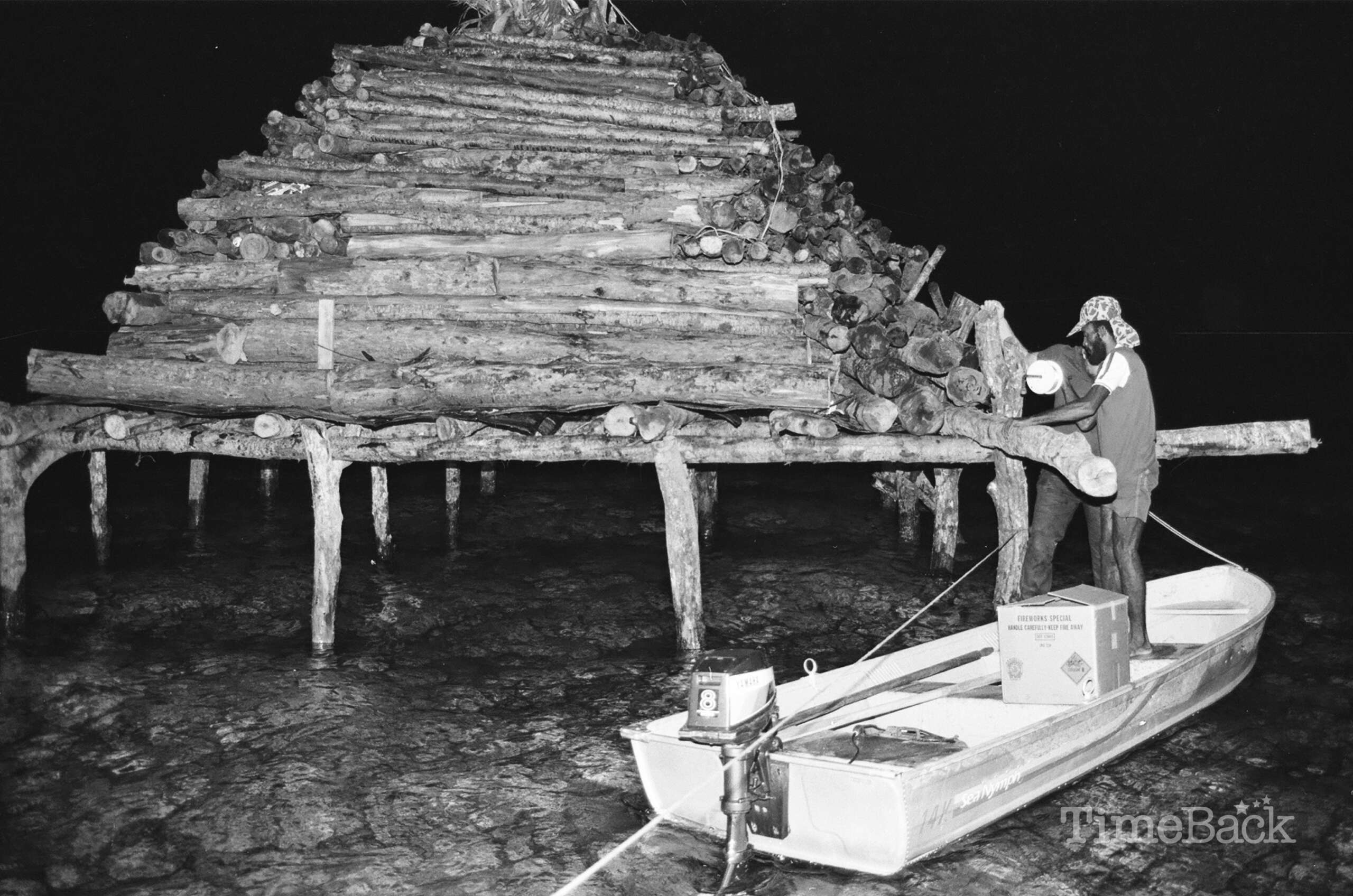
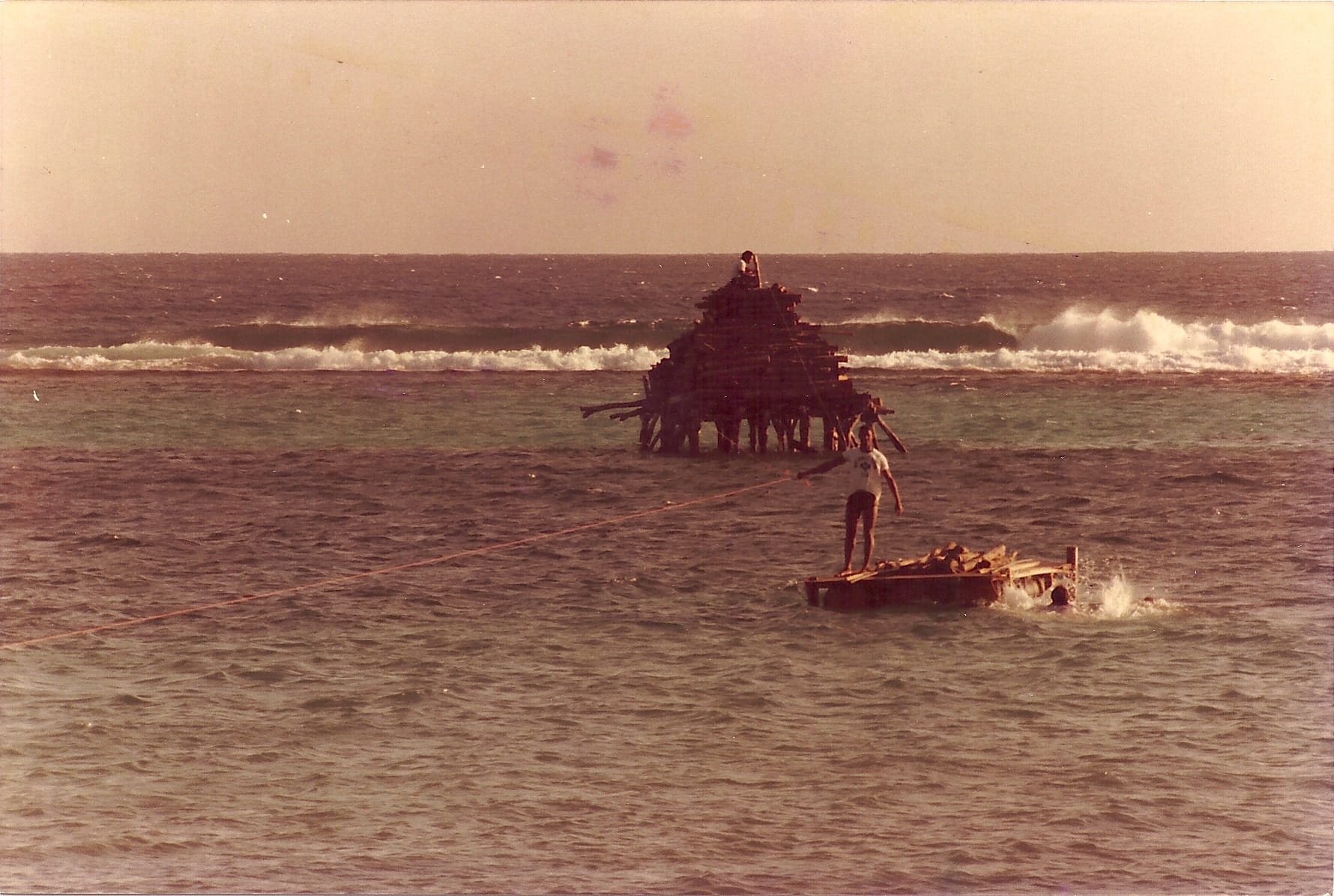
A photograph of two men standing on a small motorboat, laying some of the last tree logs for a large bonfire near the reef in East End, sparks childhood memories for Graham Rankin of a decades-long tradition.
Rankin started down memory lane after seeing an old photograph from the Cayman Compass archives. It’s one of 300,000 being revived and digitised by Compass Media and Dart as part of a project to bring the islands’ past back to life.
As he stared at the black-and-white image with slightly squinted eyes and a tilted head, Rankin told the Cayman Compass, “I still remember like it was yesterday.”
Rankin recalled that the tradition started in the early 1950s, before his time, by the community men in East End.
Staged across from the Presbyterian church, Rankin said the East End community was instrumental in hosting events such as garden parties, often organised by the church.
The men of the community, however, decided to create something of their own, a bonfire, Rankin explained, “built between the reef and the shore, but closer to the shallow bar adjacent to the reef”.
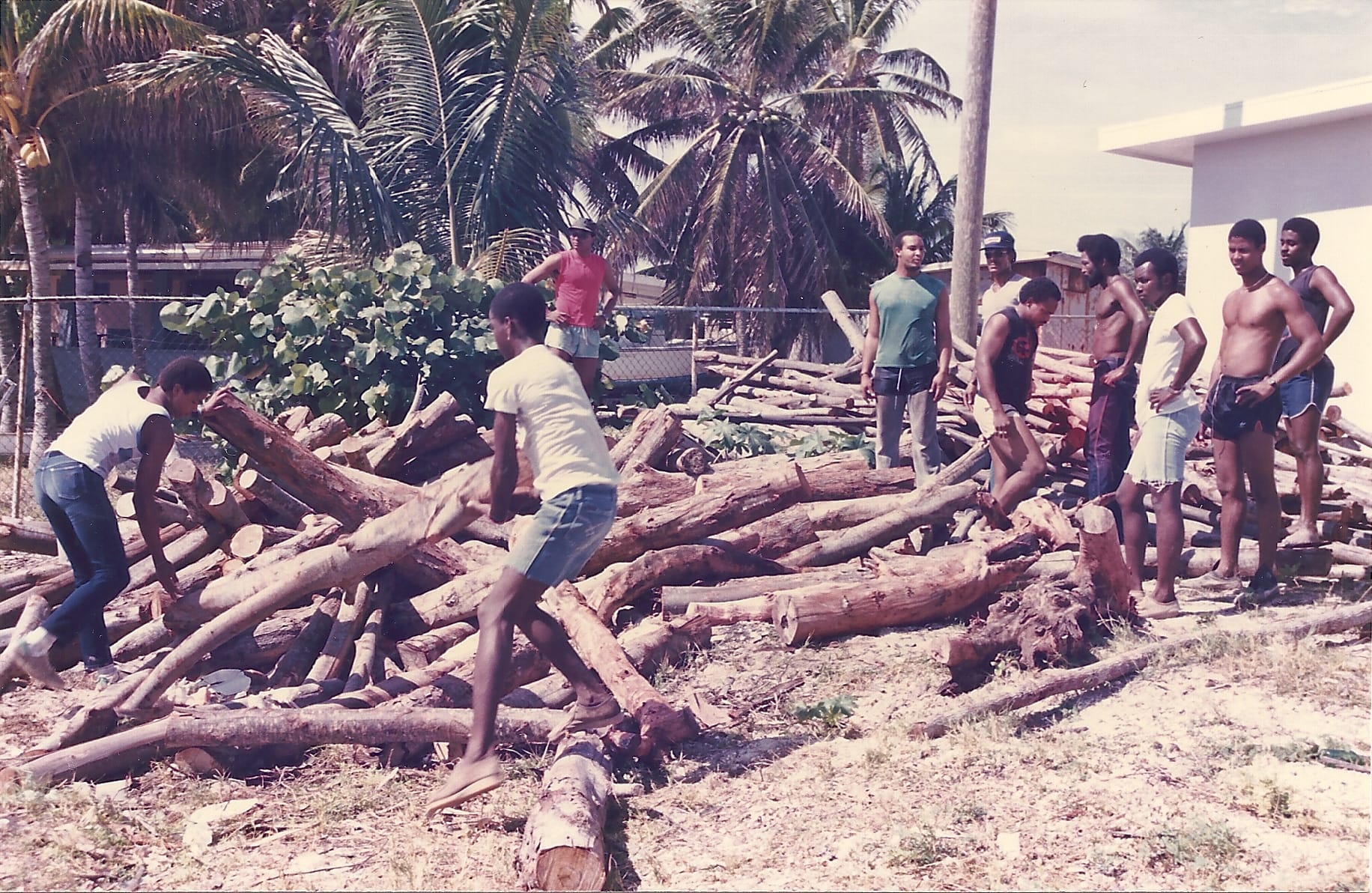
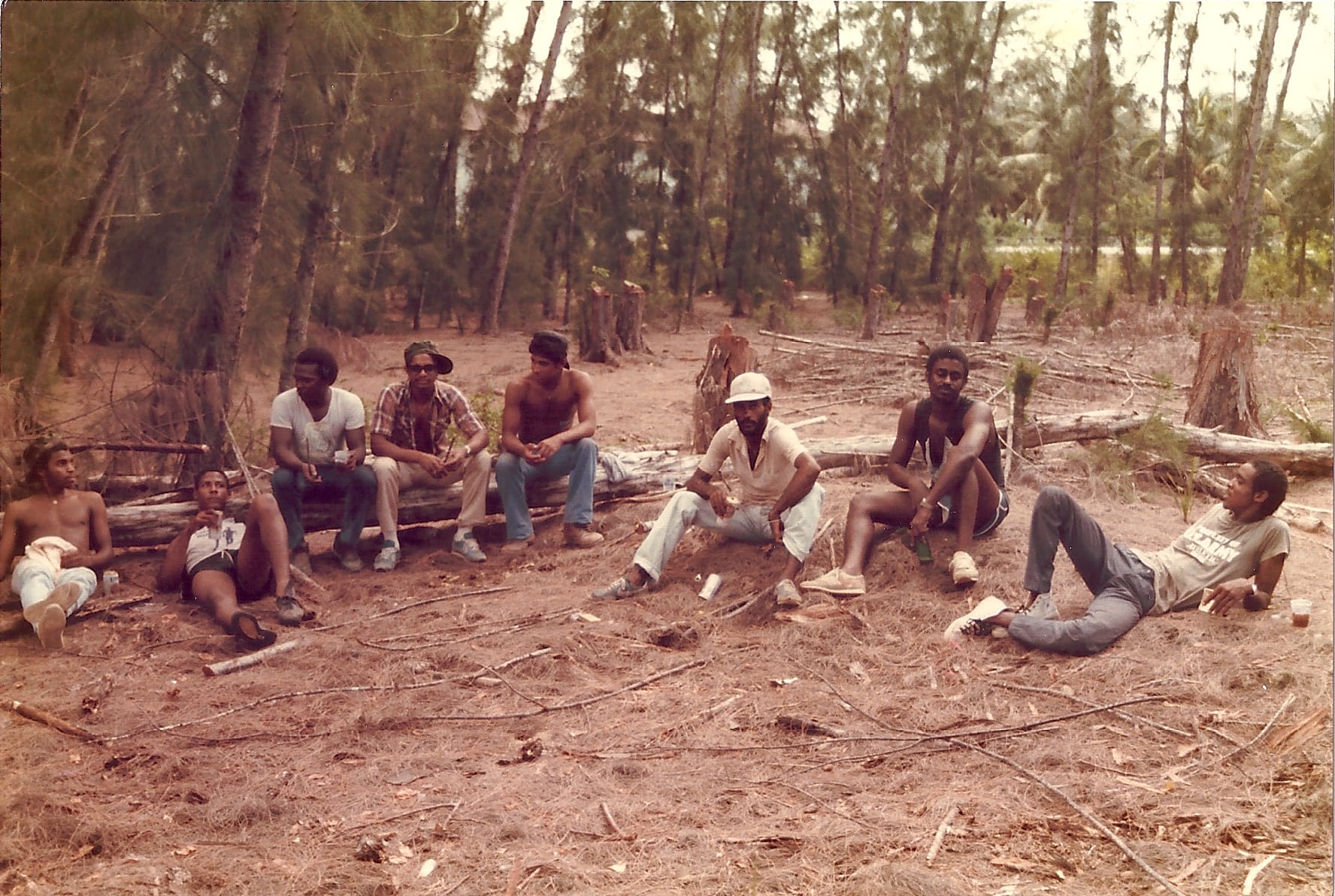
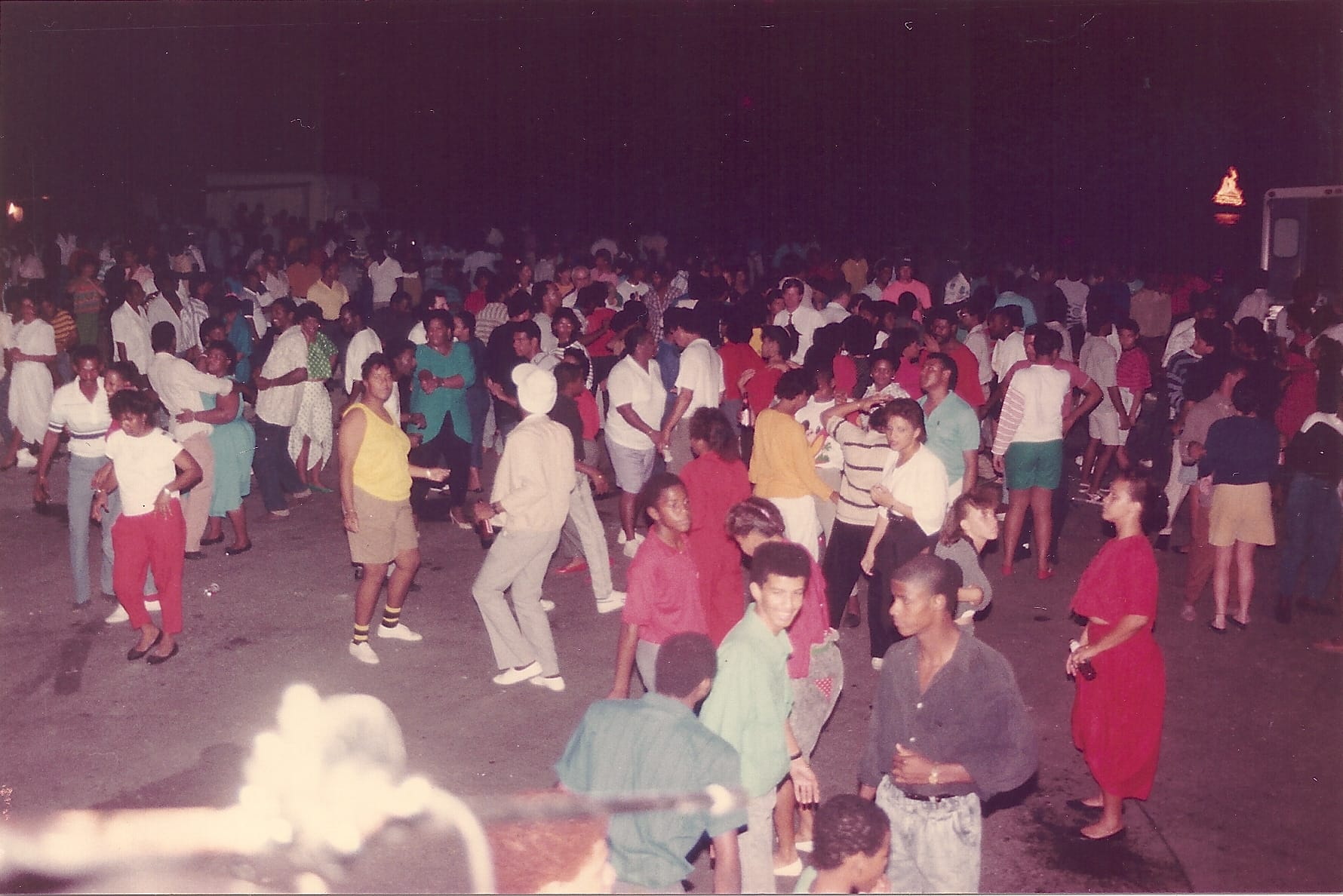
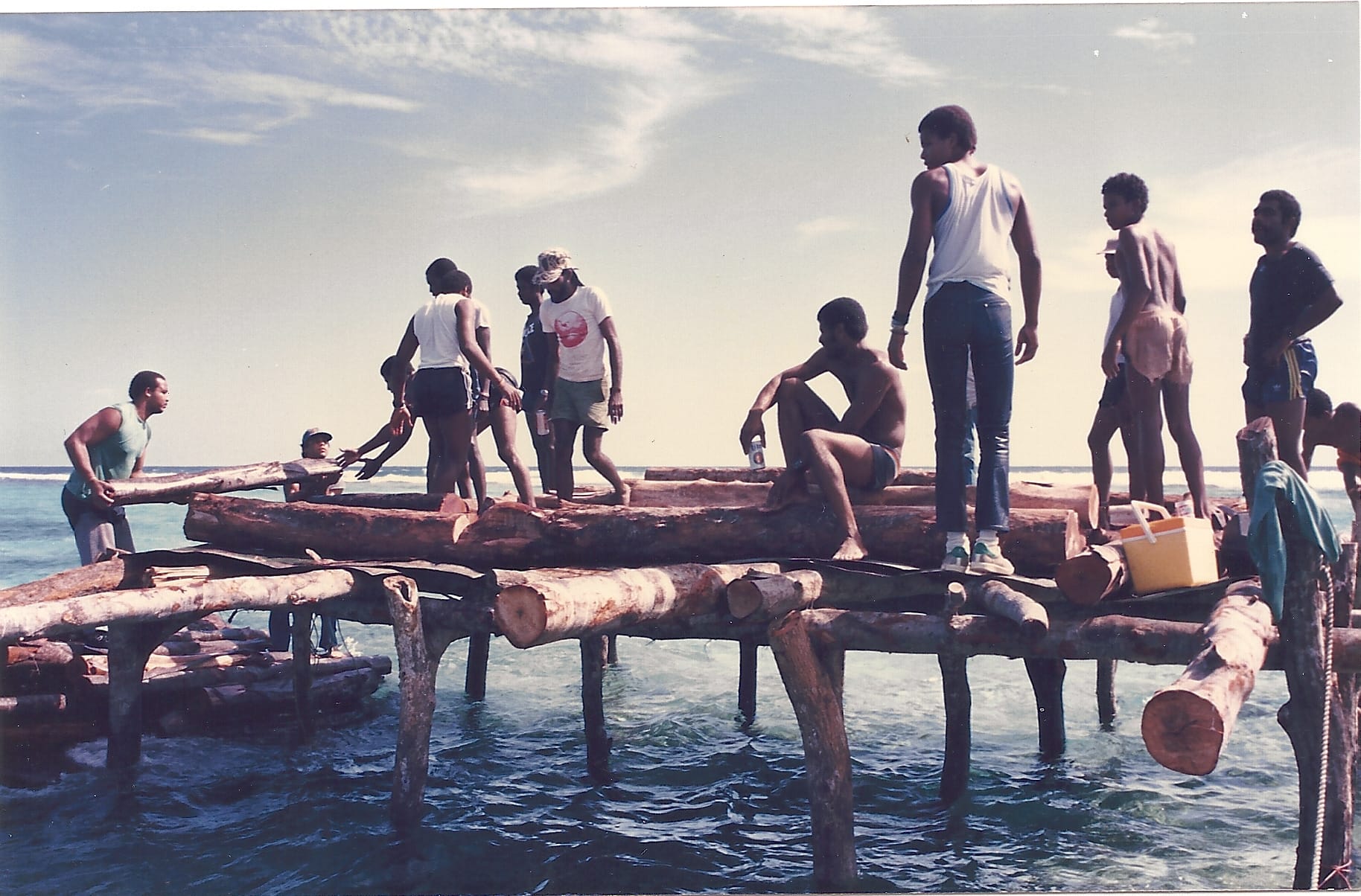
“The men built the bonfire as a celebration, which took place on Christmas Eve, 24 Dec. It was a community event, free and open to the public, and everybody would contribute towards the food and beverages,” he said.
Rankin recalled how, when he was a boy, the men would head to South Sound on his Uncle Golwyn’s truck and bring back pine trees.
“They would gather all the wood that had fallen and use them to build the bonfire,” he said. “They would build a barge out of drums, 50-gallon drums and create a platform or stilts. They’d get a rope on the post and extend it to shore, and whenever they’d load up the logs, they’d pull and go out on a small boat.”
It would take months to build, Rankin said, adding, “Sometimes they would start to build the bonfire from October.”
“I remember as a boy being able to go out there when they were building it,” he said.
“We couldn’t pick up the big [logs]. We weren’t strong enough, but we would go out there, swim around and collect conchs and pile them up, not that we had taken ‘em, but we would pile ‘em up and see who would get the most and just leave ‘em there. In the later years, we were strong enough to build [the bonfire]. It made me feel good that we were carrying on the tradition.”
The community women, he recalled, would cook traditional East End cuisine like turtle, conch and cassava cake.
For entertainment, the late musician Radley Gourzong would play music on his fiddle for free.
“He laid it down heavy. I remember [the song] ‘Beef in the Cane Piece’,” he said.
The Christmas Eve bonfire event brought in large crowds and became so popular that it was eventually moved to the Heritage Field, where they now host Pirates Week events in the district.
People from all over the island began coming out for the bonfire, he said, and they’d start to run out of food and drinks.
“Bonfire in East was major … It was huge,” Rankin said.
“They didn’t have it in other districts. That was our Pirates Week back then. You couldn’t wait for bonfire to happen. It was more entertainment than anything else. People would put on their best and attend. It was the only entertainment event that happened for the entire year.”
One of the most enjoyable parts for young Rankin was watching the older men light off fireworks. First would come the countdown and then the flare of lights shooting up from the beach before landing on the pyramid-like bonfire structure.
“The bonfire used to burn until the next day. That was the most major event in Cayman, the most traditional thing that I’ve known in East End,” Rankin added.
The stilts still stand to this day as a reminder of what used to be.
“It went through Hurricane Ivan and it’s still there. They were made by strong men, men of honour and community,” he said.
Stirred with emotion, Rankin said, “I miss it. That’s all we knew. It’s sad because we can’t continue the tradition with so many [government] restrictions now.”
He added, “We younger ones gave up and never put up a fight because back in the day, nobody could tell those six-foot men that they couldn’t do what they wanted to do. We’d been doing it for donkey years!”
The younger ones from the East End United Football team took over the tradition until the late ’80s and used the event as a fundraiser. Arden McLean then took the reins for two years, and after that, the event went out of existence.
Efforts to revive the decades-long tradition are continuing.
“We grew up with that. That’s all we knew. We never knew anything else but that bonfire. From the time I knew myself, that’s it. Bonfire night,” Rankin said. “Did you know how much time it took to build that? All that work for one night. And it was worth it. I would go back to that time in a heartbeat.”
TimeBack project launches
The 1984 bonfire photo is one of some 300,000 images scanned from the Cayman Compass archives that have inspired the ‘TimeBack’ project by Compass Media and the Dart organisation. TimeBack explores Caymanian life since 1965 through photo archives, aimed at reviving memories of Cayman’s past.
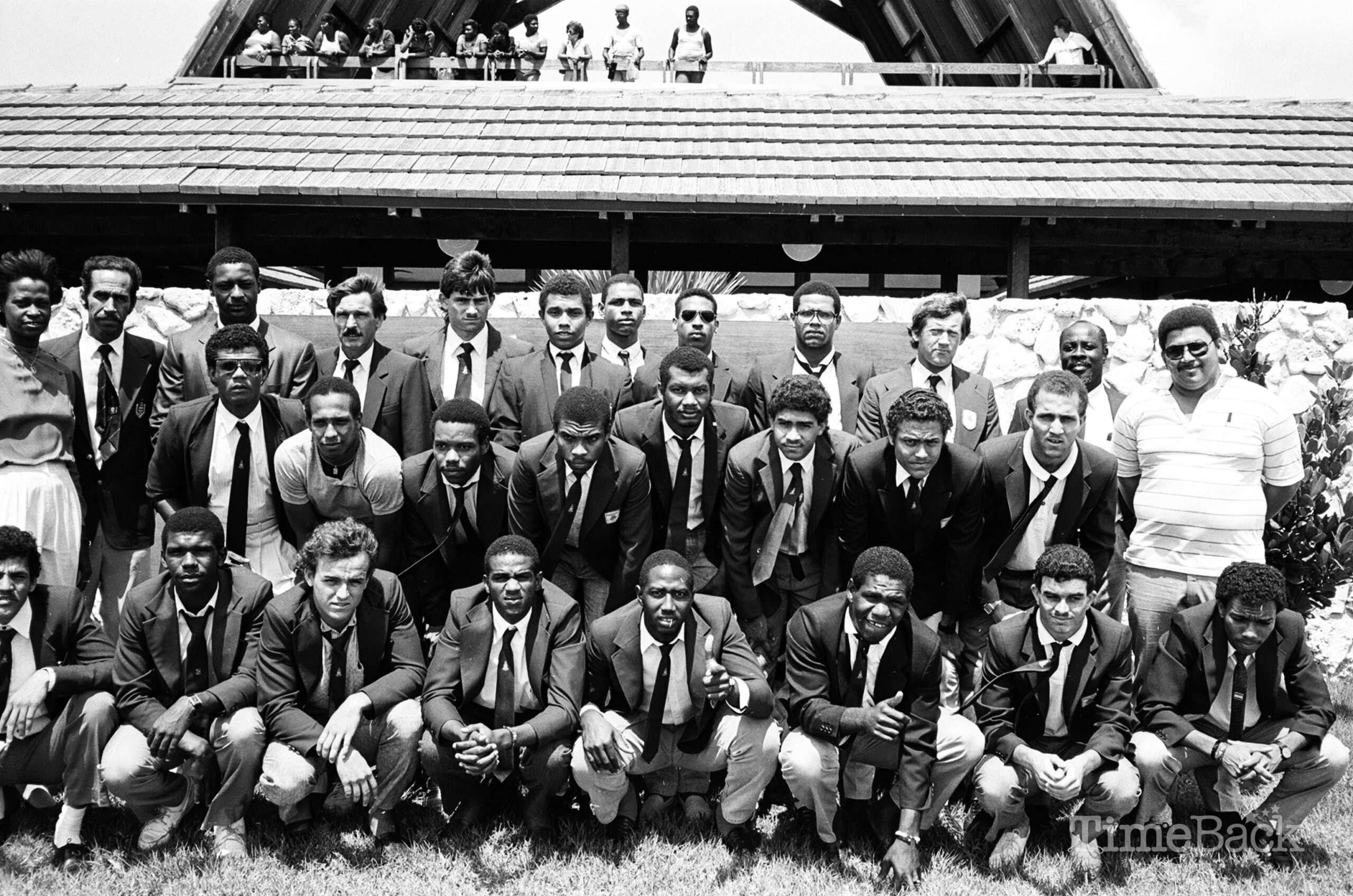
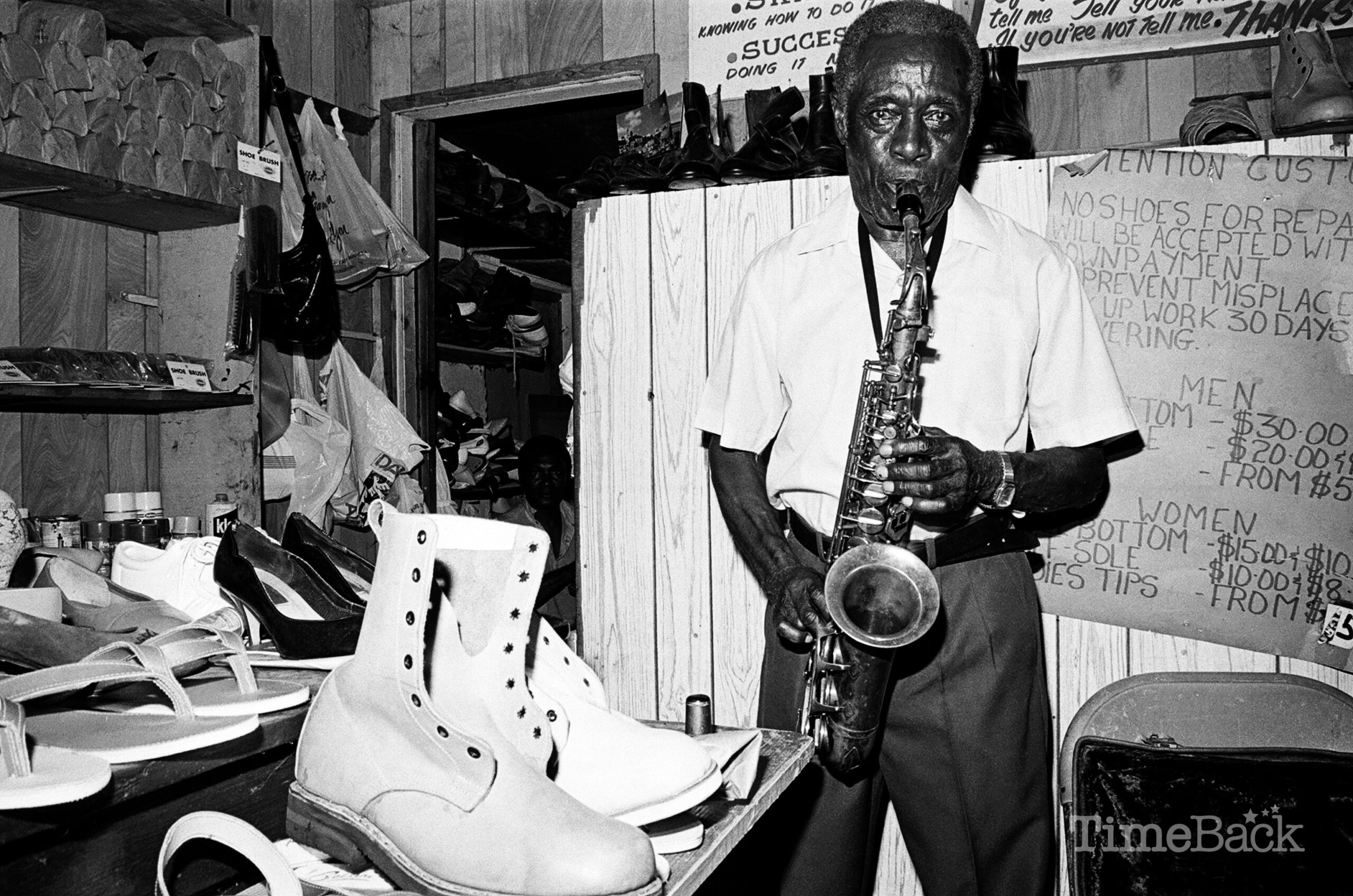
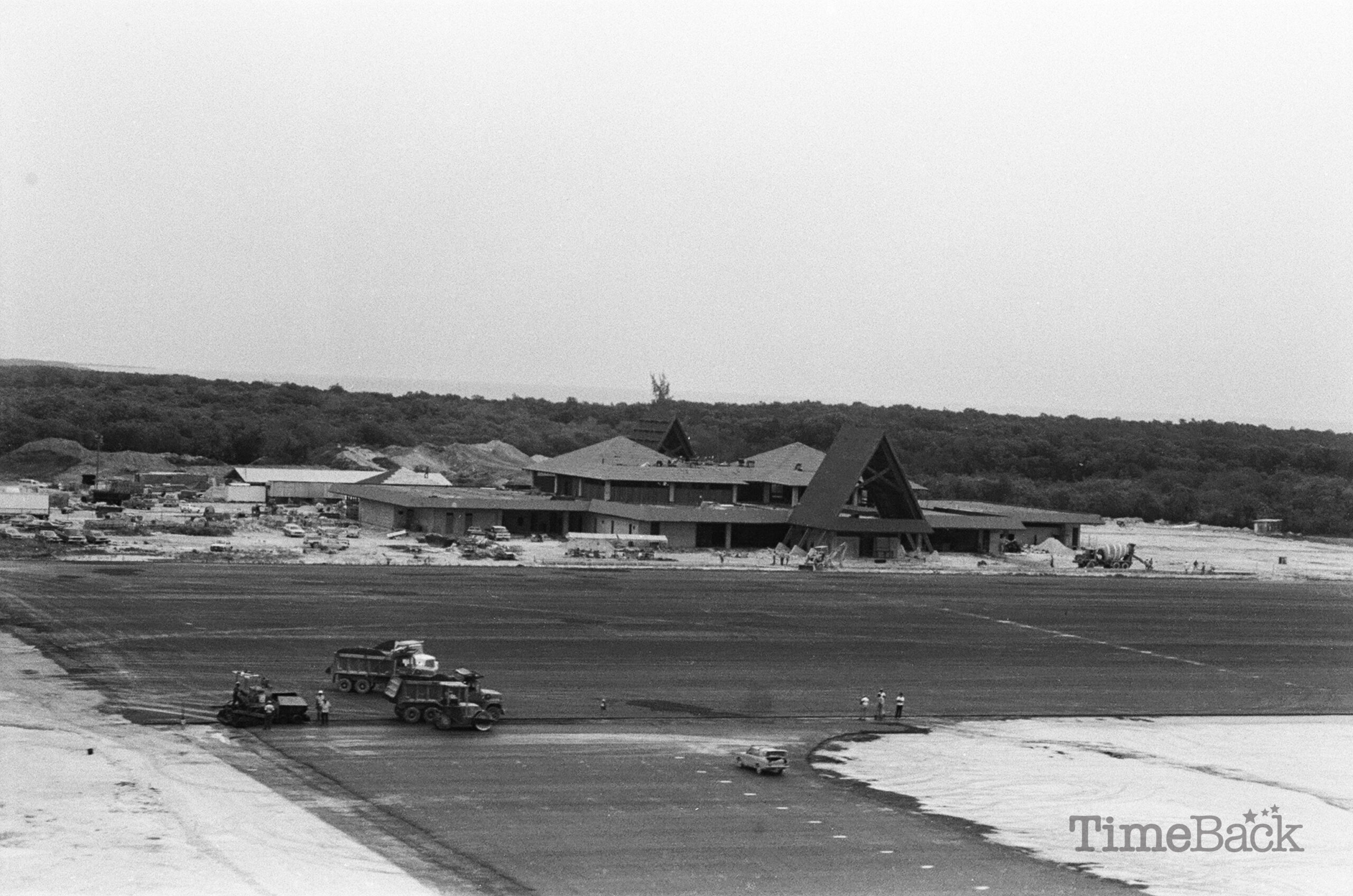
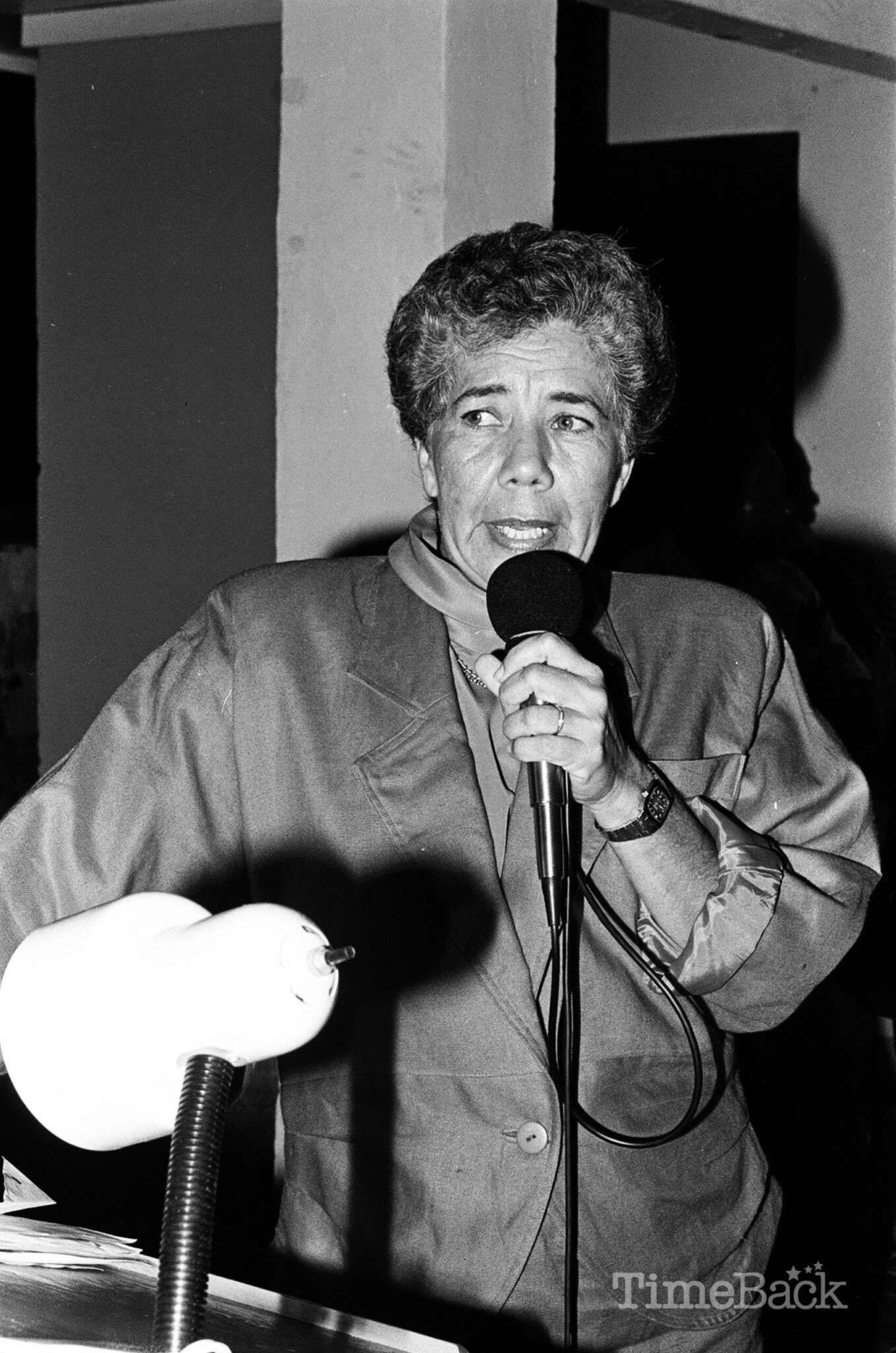
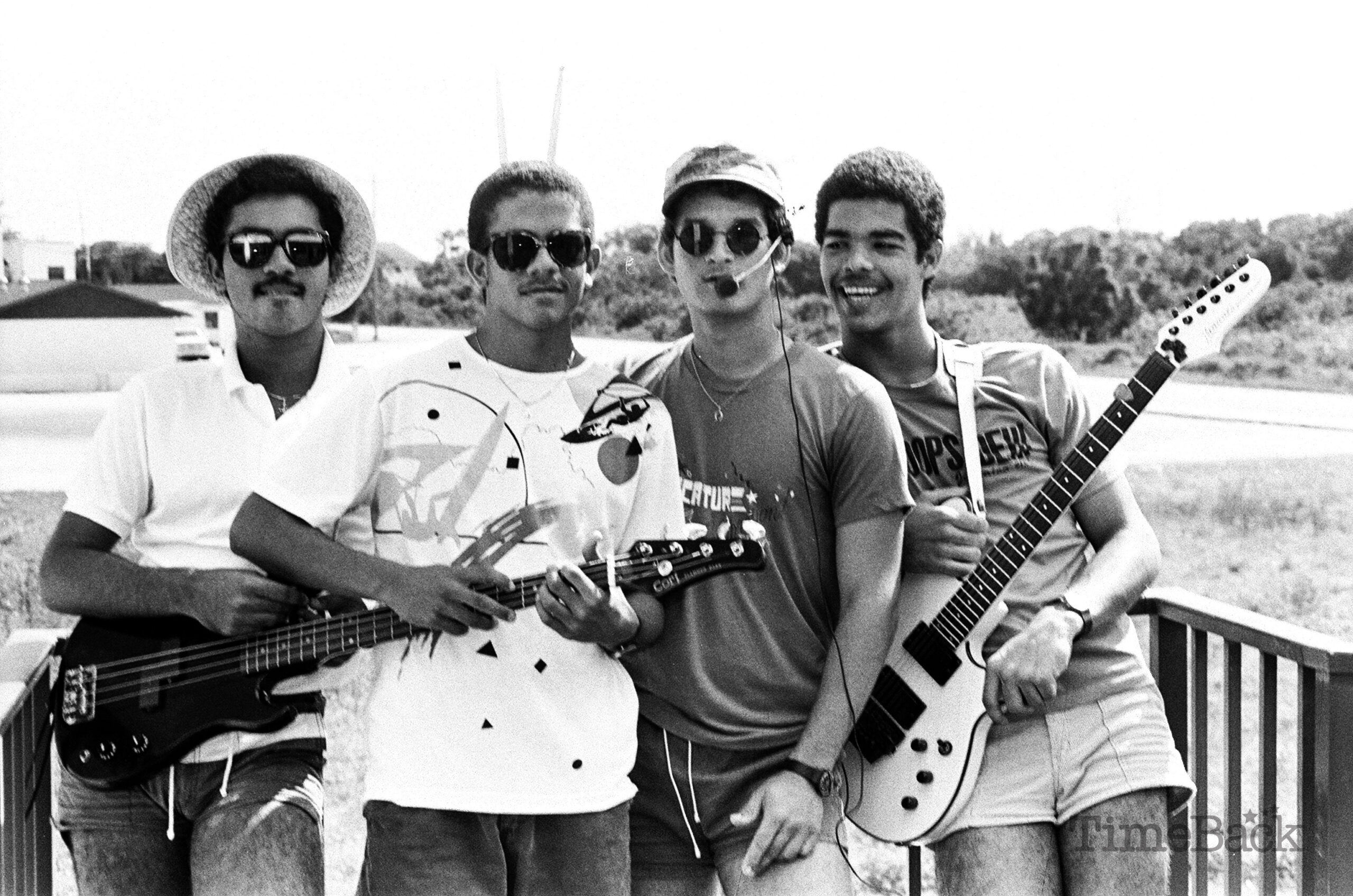
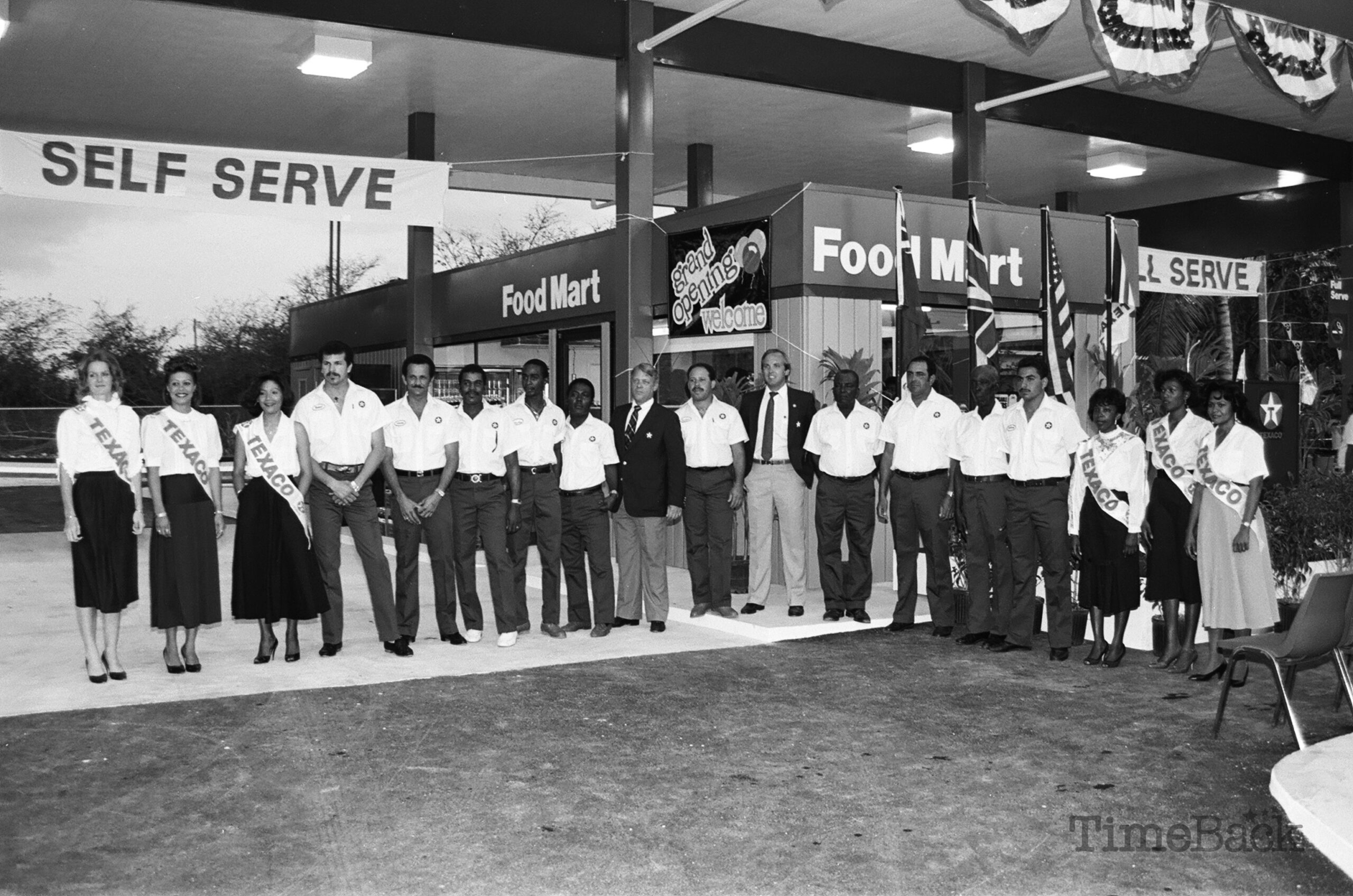
“There’s so much interesting history here, which if lost would never be found again,” said Ivan Burges, project contributor and archivist of the Cayman Compass.
“Without preserving this history or saving this, it would all deteriorate even more rapidly than it has, and it’s just vital for the general public and history. It’s not available through the nation’s archive. This is a unique archive, and it’s an invaluable archive, not only in financial terms, but in historical terms.”
What was initially 25,000 strips of negatives has now increased to some 327,000 photos in the collection.
“The quality of the photographs is going to be tremendous because we had professional photographers taking 20 pictures as opposed to an everyday person taking one picture. So, the quality is going to be really good, and from what we’ve recovered, is going back nearly 60 years,” Burges said.
Twenty years ago, Hurricane Ivan severely damaged a lot of Cayman photographic and news archives, Burges added.
“Fortunately, we did have quite a lot of back-ups, and we’ve now been able to retrieve probably over 100,000 slides, negatives, et cetera. It’s very encouraging and we will hopefully have over 300,000 pictures at the end of the project.”
Seeing the restored images come to life is “amazing”, Burges said. “Having seen all the negatives, gritty, old pieces of paper and things, and now to see them as they are now is incredible and the quality is amazing. It really is.”
Process of shipping photos for archives
The negatives were carefully boxed up and shipped to Los Angeles, where they are being cleaned, scanned and digitised.
A team of amateur historians, journalists, artists and civic-minded Caymanians, led by curator Craig Merren and administrator Kieron Rankine, have been brought together to review, identify and tag the collection before its public release.
“There was lots of searching and researching to find out who these people are,” Burges said.
“I think the public will be absolutely stunned, certainly those who are interested in Caymanian history; they’ll love it. … Researchers around the world will now be able to access this for free and that is very important.”
Director for Dart Jackie Doak said she first saw the impressive Compass archives during a tour of the Compass Media offices in 2023, after Dart purchased the company.
“Ivan Burges showed us dozens of boxes of photo negatives as well as bound copies of Compass newspapers dating all the way back to the 1960s,” Doak told the Cayman Compass.
“We were impressed with how Ivan and the Compass team were using every minute of spare time to catalogue the negatives. They were also painstakingly scanning the printed papers, carefully cutting one page at a time so as not to damage them.”
That meeting began the process of preserving the historic and one-of-a-kind media archives held by Compass Media through the TimeBack project.
“We were inspired by the significance of their efforts – this wasn’t storage; it is history. We committed that day to help Compass Media protect that history and share these priceless photos with the community,” Doak said.
Each month, 100 photos will be released by the ‘TimeBack’ project. The public will be invited to share their stories and provide history and observations about the images.
For more on TimeBack, visit the website.
Related Videos