A new interim policy is in the works to manage the increased medical use of radiation locally as Cayman prepares for the full operation of Health City at Camana Bay, the island’s first advanced cancer care hospital.
The facility was inaugurated on 11 July and will be fully operational in the coming weeks.
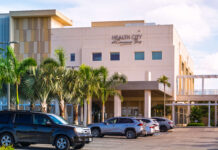
The new 70,000-square-foot hospital, built at a cost of more than US$100 million, includes an Intensive Care Unit and a Post-Anaesthesia Care Unit with 12 fully equipped beds for critical and post-operative care.
It will also offer imaging services, including a 3T MRI, PET CT, and a mammogram machine, for accurate diagnosis and treatment planning.
Its Radiation Oncology Centre, which opened in March 2023, is set to expand to offer comprehensive and advanced oncology, including bone marrow transplantation and CAR-T Cell therapy.
The Ministry of Health, responding to Cayman Compass queries on plans for the increased medical use of radioactive materials for diagnosis and treatment of patients on the island, said Chief Medical Officer Dr. Nick Gent has drafted an advisory guidance note which is currently under review by an external expert.
“An interim policy is expected to be shared with health providers next month,” the ministry said in its emailed response.
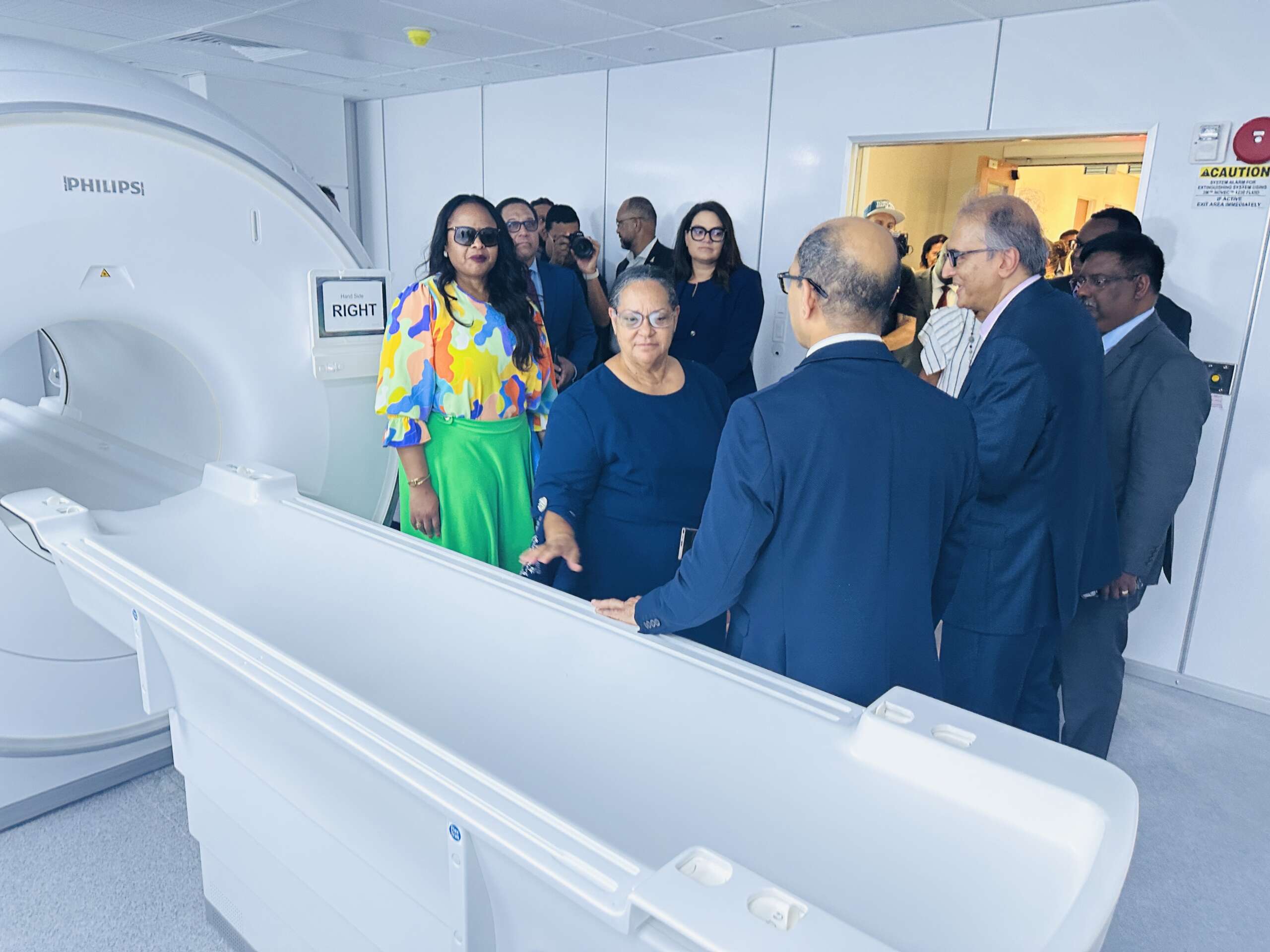
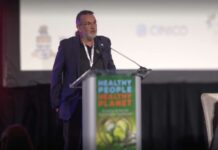
Gent, who spoke at the Health City opening, welcomed the new facility.
He also stressed the importance of having properly trained personnel.
The medical use of radioactive material is not new to the island, but with the increasing innovations in healthcare and its expanded use locally further protocols are being explored.
Gent, commenting on the issue, said there are systems in place for the use of clinical diagnostics and therapeutic radioactive materials, and generated ionizing radiation.
“Most of these systems are intrinsically safe or protected by interlocks and other safeguards. As it relates to the movement of radioactive materials, these are undertaken using internationally approved high security containers that can withstand very high-energy transport accidents,” he said.
Cayman, he said, has the expertise should a response be needed to an accident, “but we are looking at ways to enhance capacity in this particular area”.
Gent is no stranger to protocols and policies relating to radioactive materials as he has worked as a public health expert on analysing, responding and preventing chemical, biological, radiological and nuclear threats on the ground in the UK and around the world.
He has also worked on widely covered radioactive material-related attacks such as the assassination of Russian spy Alexander Litvinenko in 2006, who was poisoned with radioactive polonium-210, which was believed to have been administered in a cup of tea.
Editor’s Note: The Cayman Compass is a subsidiary of Dart Media and Entertainment.
Related Videos