


Results from the latest nationwide health survey paint a worrying picture of the state of the nation’s health.
The 2023 STEPS National Health Survey, a comprehensive look at people’s current health and lifestyle choices, has revealed that more than 97% of the population could be at risk of more serious issues such as cardiovascular disease and diabetes.
The survey, which was last carried out in 2012 and surveys the population aged between 18 and 69, collects data about the health of Caymanians and measures chronic disease risk factors such as smoking, drinking, diet and fitness, which can lead to early deaths if not treated.
According to early results from the 2023 survey, which were presented at the Cayman Islands Healthcare Conference last week, just 2.8% of the population have zero risk factors, while two-thirds of the population (63%) has one to two risk factors, and a third (34%) has three to five risk factors.
The data showed that 70% of the population are either overweight or obese, 55% drink alcohol on a regular basis and 12.5% of people smoke.
As well as weight, drinking and smoking, diet plays a large role in people’s health. The survey found that 14% of the population do not eat any fruit or vegetables at all, and 85% eat fewer than five servings of fruit and/or vegetables per day. One in five people reported always or often eating processed foods which were high in salt.

The percentage of people who regularly drank rose from 51.5% in 2012 to 55% in 2023, with almost a fifth of people having six or more drinks on a single occasion.
As well as diet and weight, inactivity can lead to health complications, and the STEPS survey found that one in five of the population did not meet World Health Organisation’s recommendation for activity. Among men, 33% of men do not engage in vigorous physical activity, with a much higher figure – 72% – for women.
There was some good news though, with the number of people who said they smoked falling from 15% in 2012 to 12.5% in 2023. Of those, 55% said they smoked every day, while 67% had said they smoked daily in 2012.

While vaping wasn’t mentioned in the 2012 report, currently 8.4% of the population now vapes, with the highest prevalence – 16% – among males aged between 18 and 44.
For the first time, cholesterol rates were measured, with 32% of people either having a high level or on medication to control it. A slightly lower percentage had raised blood pressure, with 30% of the population either having it or taking medication for it. Data also showed that 11% of the population has raised blood sugar or diabetes.
Overall, nearly two-thirds of the population (63%) have 1-2 risk factors while a third (34%) have 3-5 risk factors, meaning they have a higher chance of developing chronic diseases such as heart disease, stroke, cancer, diabetes and chronic lung disease, which are collectively responsible for 74% of all deaths worldwide. Only 2.8% of the population has zero risk factors.
Cardiovascular disease is the leading cause of mortality in Cayman, at 27% of all deaths, and diabetes is the third leading cause of death, at 10%, after cancer at 25%.
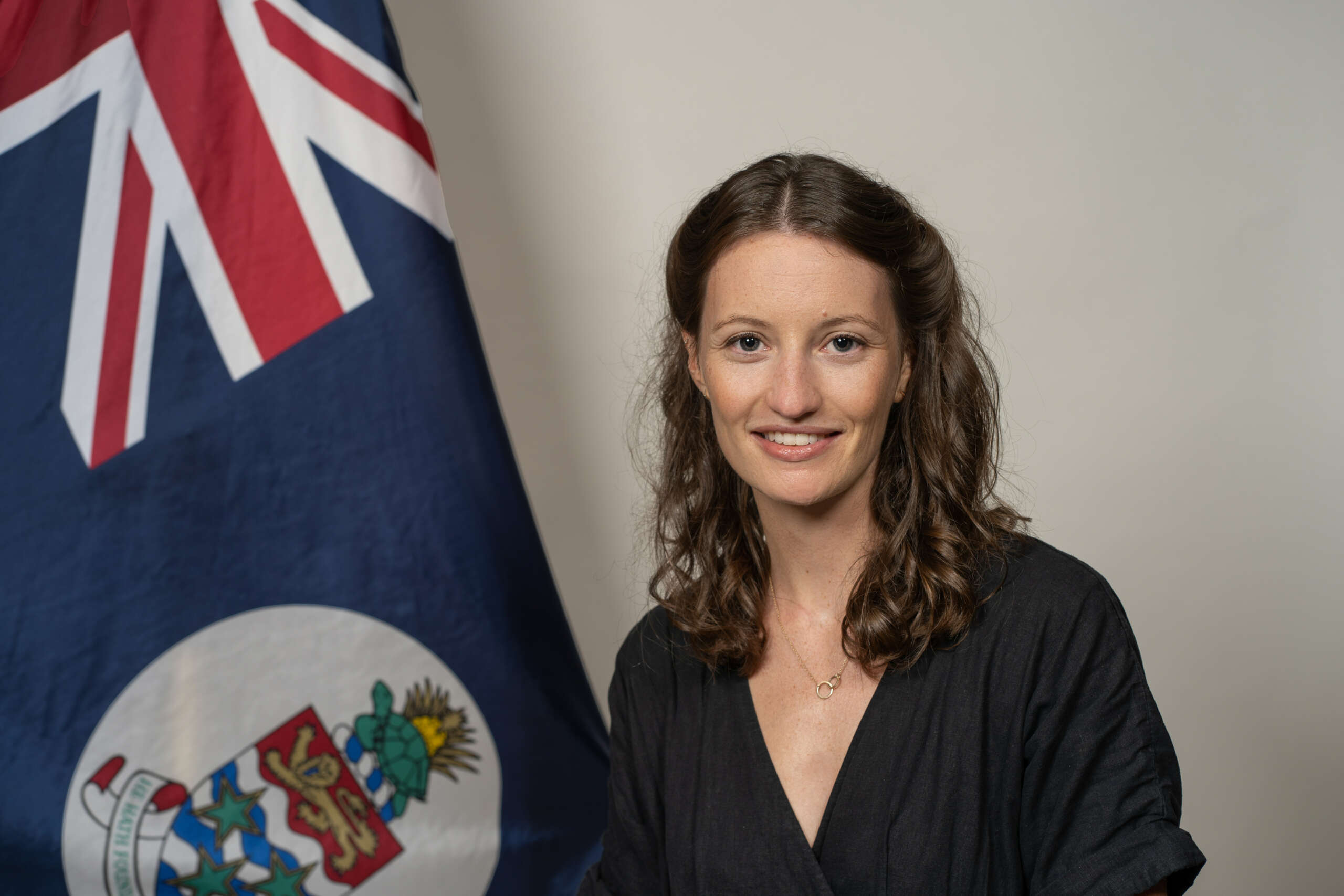
Presenting the data at the healthcare conference, Rachel Corbett, national epidemiologist in the Ministry of Health and Wellness told delegates, “Non-communicable diseases (NCDs) such as cardiovascular disease, cancer, and diabetes are the leading cause of mortality and morbidity around the world. Not only is it a leading cause of mortality here, but NCDs can have a real impact on an individual’s quality of life.”
Corbett added, “For us to be able to prevent these, we need to understand more about the risk factors for NCDs and then target those risk factors and reduce the prevalence of the NCDs themselves.”
Like many places around the world, she said, the Cayman Islands has an ageing population which means that healthcare services will be facing a larger burden due to NCDs, as they increase in prevalence with age as well as lifestyle.

Also speaking at the conference was Chief Medical Officer Dr. Nick Gent, who voiced his concern about high obesity rates and what he called the “lack of willingness” to tackle the issue.
“It is clear to me that the knowledge of what foods are unhealthy is not well established amongst our population,” he said. “Information is power and the food industry has an invested interest in not enabling rational choices. It is time that we enabled people to make best choices for themselves and developed an enduring habits of knowing what they are eating.”
He strongly recommended that the country adopt the CARICOM food quality labelling system which shows clearly if a food item is high in fats, sugar or sodium.
Speaking to the Compass after his speech, Gent said people had to take more responsibility for health when it came to food choices. “Fast food can be cheap but you also have to think about the cost to your health and your children’s health,” he said. “It is part of a changing mindset for people who, quite frankly, have become addicted to and enjoy fast food and so we need to look at alternatives.”
He added, “Portion size is a huge problem with fast food. I understand it can be quick and easy so there is that change in lifestyle that people have to have … you’ve got to see what’s seasonal, what’s affordable, using your imagination, you can do it. It’s also that balance of saying, that might be the cheapest way to eat but it’s also the cheapest way to kill myself and my family.”
The full STEPS 2023 National Health Survey will be published on 1 Dec.
Related Videos













Everyday there’s a new fast food franchises being opened with profits made and no real contribution to health and wellness of the islands. Whilst we have choices of what we eat, the problem is the the high costs to purchase fresh fruits and vegetables, it is near impossible to eat everyday. It’s not that we are not educated on healthy foods, we just can’t afford the healthy produce.
Yep, well said! The incredibly high cost of living is what needs to be addressed.