
By Cayman Compass contributor Taryn Stein
When one cauliflower costs almost the same as a fast-food meal combo, being told to ‘eat more vegetables’ can feel tone-deaf. The advice isn’t wrong, but healthy eating only works if it fits your household budget.

According to the STEPS 2023 National Health Survey, 85% of adults eat fewer than five servings of fruit and vegetables a day. That matters because low intake is linked to our rising rates of obesity, diabetes and cardiovascular disease.
So why aren’t people eating better? Cost is a big factor. Ultra-processed and fast food is cheaper, more available and less likely to spoil than fresh whole foods. A recent Pan American Health Organization Caribbean study found that low-income households need between 22-47% of their earnings just to meet basic nutritional needs.
Cayman’s eating habits have also shifted from traditional plant-rich meals toward imported, energy-dense foods. Your granny never circled the drive-thru for a supersized meal. She ate local fish, callaloo, breadfruit and pigeon peas. Local food is fresher, more nutritious, and sometimes cheaper. Cayman can’t source everything locally, but where we can, we should.
Where to start without breaking the budget
To eat well on a budget you should plan ahead, shop smart, prep well and waste less.
Planning meals doesn’t mean mapping out seven perfect dinners on a colour-coded spreadsheet. Plan four or five meals, then leave room for leftovers or quick meals.
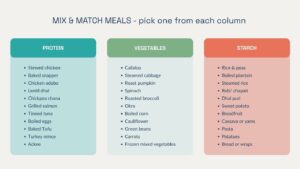
Meat, poultry and fish tend to be the priciest items in your basket, so stretch them. Add beans to mince, lentils to curry, chickpeas to rundown, or boiled eggs to roti fillings.
At the grocery store, build your shopping cart around affordable basics that do the heavy lifting: oats, rice, beans, frozen vegetables and tinned fish. Then add fresh produce where your budget allows. That helps you avoid expensive impulse buys.
Frozen vegetables deserve better PR. In Cayman, they’re often cheaper than fresh, just as nutritious, and won’t go off before you’ve unpacked the shopping (looking at you, strawberries).
Buy local seasonal fruits and vegetables when possible or visit the farmers’ markets at the Cricket Grounds or Camana Bay for fresh produce.
Check the unit price too. Bigger is not always cheaper. Take 30 seconds to compare the price per unit, not just the pack price.
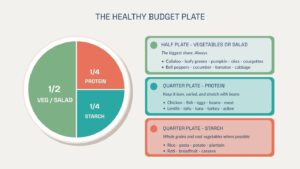
Food prep: protecting future you
Most of us reach for takeout because we’re tired, not because we forgot how to cook. That’s where batch-cooking earns its keep. Cook double portions when you can. A pot of soup, Cayman-style beef or adobo can be dinner tonight, lunch tomorrow, and a freezer meal for those ‘too-tired’ days.
A whole chicken can be a Sunday roast, with leftovers used in a midweek curry and a lunch wrap. One bird, three meals.
In today’s economy, the most expensive food is the food that dies quietly at the back of the fridge and gets thrown out. Reduce waste by moving older items to the front of the pantry or fridge.
Soft, browning fruit might not be Instagram-worthy but it’s still nutritious and can be blended into smoothies or frozen into ice-lollies. Wilting vegetables? Don’t throw them out; place them in ice water to refresh. Herbs can also be frozen in ice trays and popped straight into soups and stews.
Healthy eating on a budget is about making your groceries work harder. Planning ahead, stretching protein, wasting less and keeping a few reliable meals in your back pocket can help you do that. Because healthy eating can’t just be nutritious; it must also be realistic and affordable.
Taryn Stein is a registered dietitian (UK) and nutrition coach with experience across the UK, Africa and the Caribbean.
Related Videos