

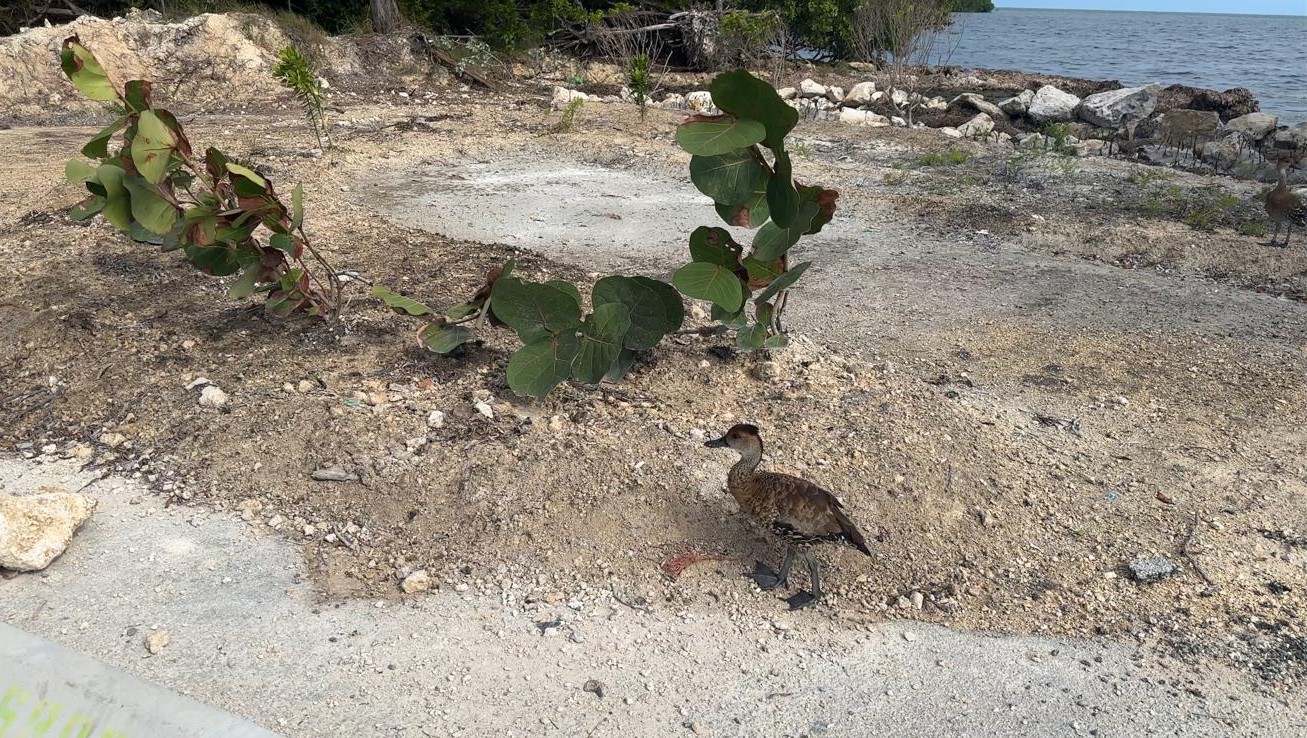
Lush green leaves and growing saplings at the site of the Glassroots pilot project at the George Town Barcadere have become signs of hope for Cayman’s declining mangroves.
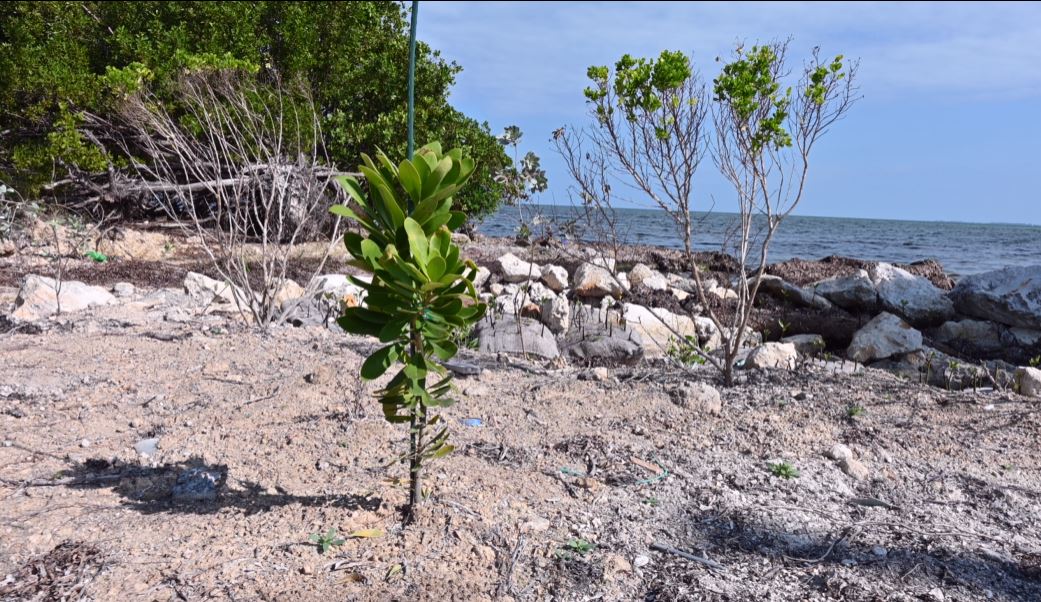
The sprouting trees, all part of an experimental project using recycled glass milled into a ‘sand’ with a soil base, have been hailed as a success by the team behind the initiative, which started a little over a year ago.
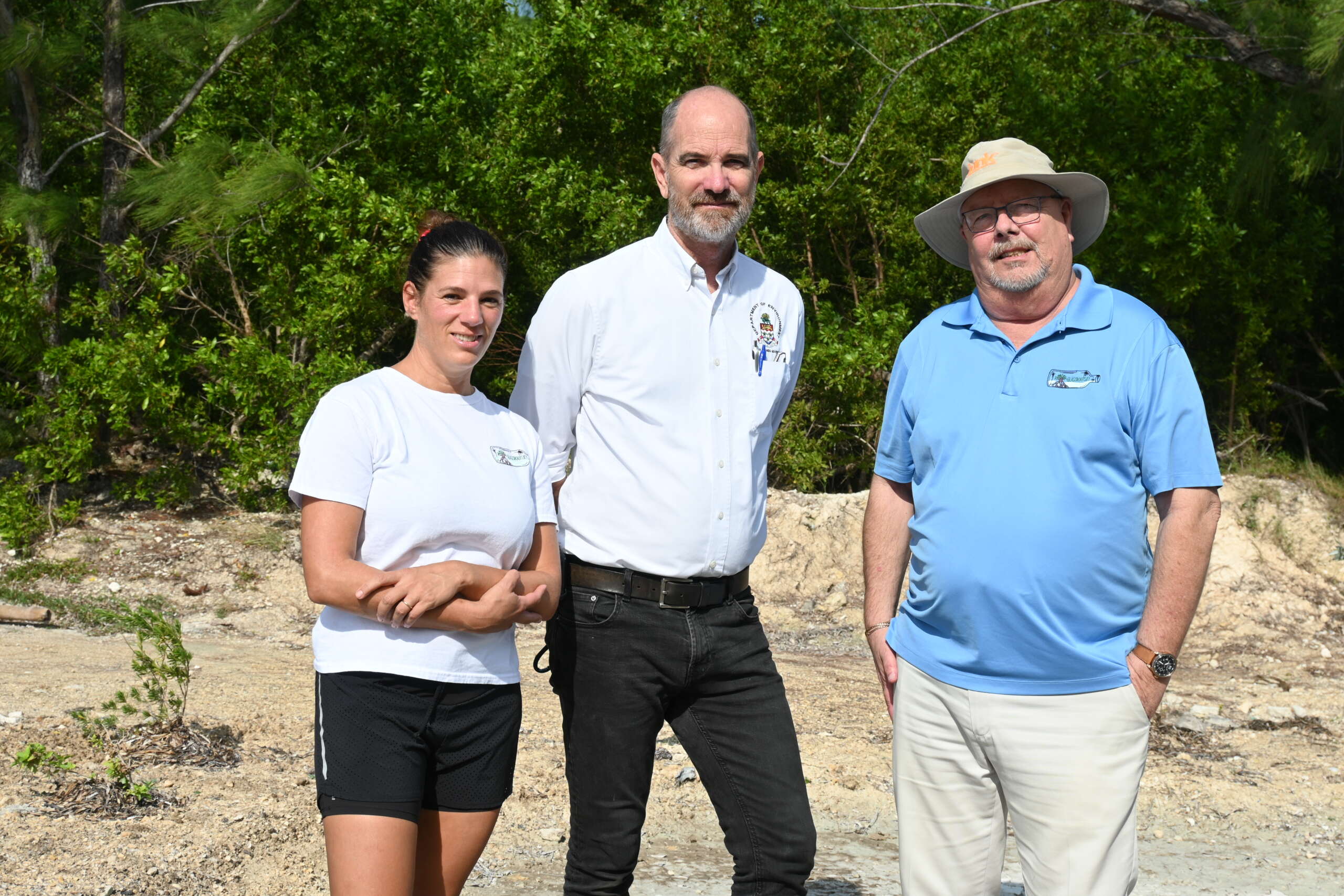
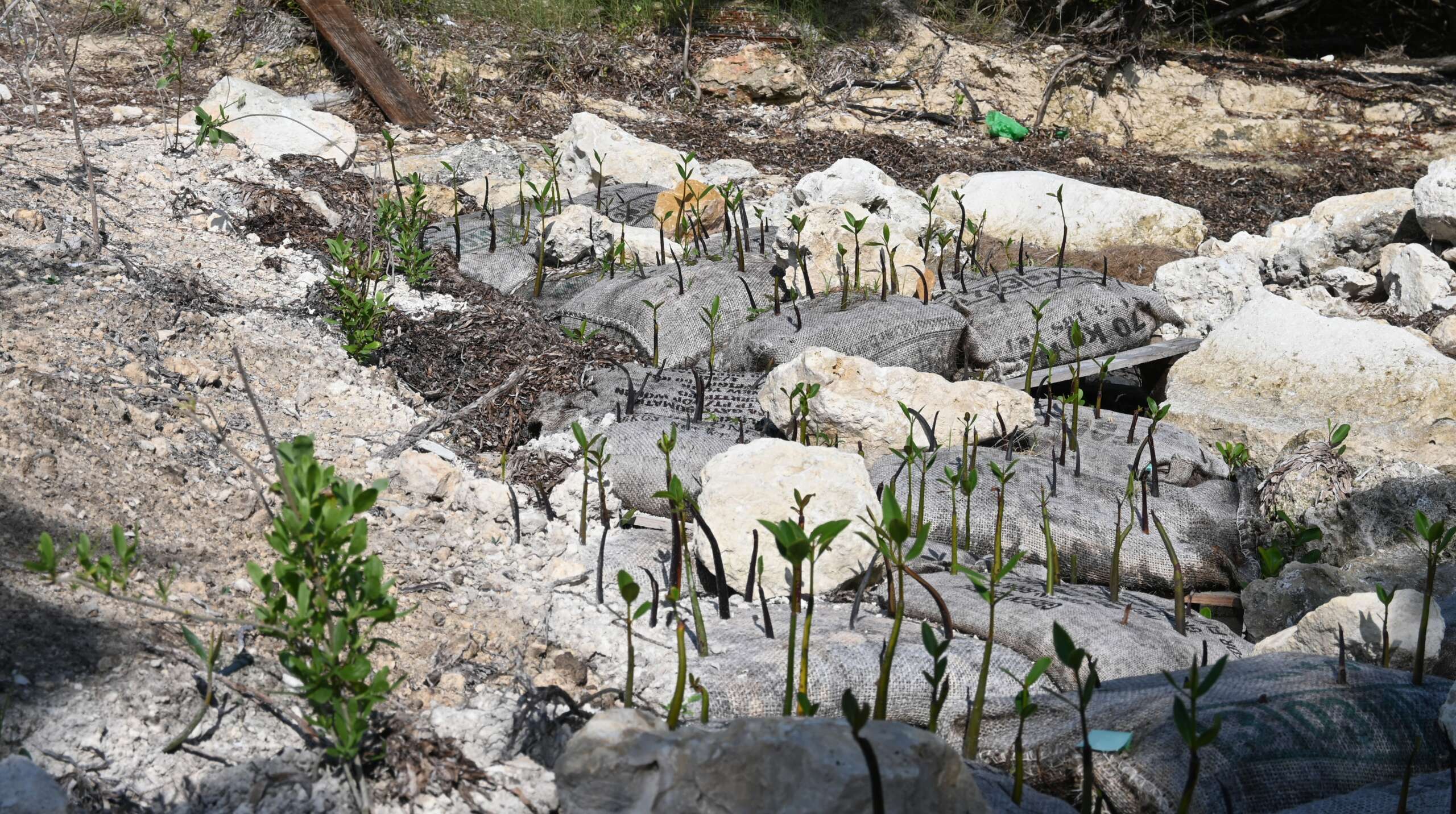
“ We’ve proven the concept that yes, recycled glass is a great medium to grow mangroves in, particularly in grow bags using recycled coffee bags,” Tim Austin, deputy director research and assessment at the Department of Environment, told the Cayman Compass.
Hope for the future
Environmental group Glassroots KY, together with the DoE and local recycling firm Junk, partnered on the project, which was funded through a Darwin Initiative grant.
With the help of volunteers, the team studied effects of sand-like glass products on depleted mangrove and seagrass habitats.
Now, 12 months later, their efforts have yielded flourishing saplings.
“We’re able to get mangroves head-started in a nursery and then relocated to a site like this, where hopefully the bags will disintegrate, the glass will incorporate into the sediment, and the mangroves will fully establish themselves, and [we] will be able to have a healthy mangrove forest in an area that previously had mangroves but was not recovering,” Austin said of the project.
The mangroves at the site, he said, had difficulty regrowing due to the storm conditions that they were exposed to as well as other elements that challenged their survival.
“We’re hopeful that this site will, in five to 10 years, look like the mangroves to the left or right of it. It’s been a trial and that was always what it was about. But I think we’ve definitely arrived at a useful solution with a lot of knowledge, so we’re very happy with the outcome,” Austin said.
Project lead Lodovica Speri, head of Glassroots KY, told the Compass she shared Austin’s enthusiasm, saying the growth of the trees has provided tangible results that glass sand can work in the Cayman Islands.
“We’ve proven that crushed glass can be used for a lot of sustainable purposes and it has a lot of interest. Now the next step is … to continue doing this. We need a glass crusher that can produce this product and we need to expand the number of use cases and people involved in doing it,” Speri said.
At present Cayman does not have a glass crusher so the project team, with the help of Andela, secured the recycled ‘glass sand’ for the initiative.
For a decade, Dart was recycling glass in its crusher, but when that machine came to the end of its life in November 2022, there were no other glass-crushing or recycling options on island.
Now the project team hopes that the results of the study will encourage the return of glass recycling to the island.
Speri said the initiative was a very targeted research project covering mangrove restoration, coastal restoration with mangroves and farming through Beacon Farms.
“[We wanted] to see if we could use crushed glass as a medium to improve soils for farming and then construction, to see if we could replace some of the imported sand with crushed glass. And all those three have been done,” she said.
Related Videos




We should recycle everything on the island