

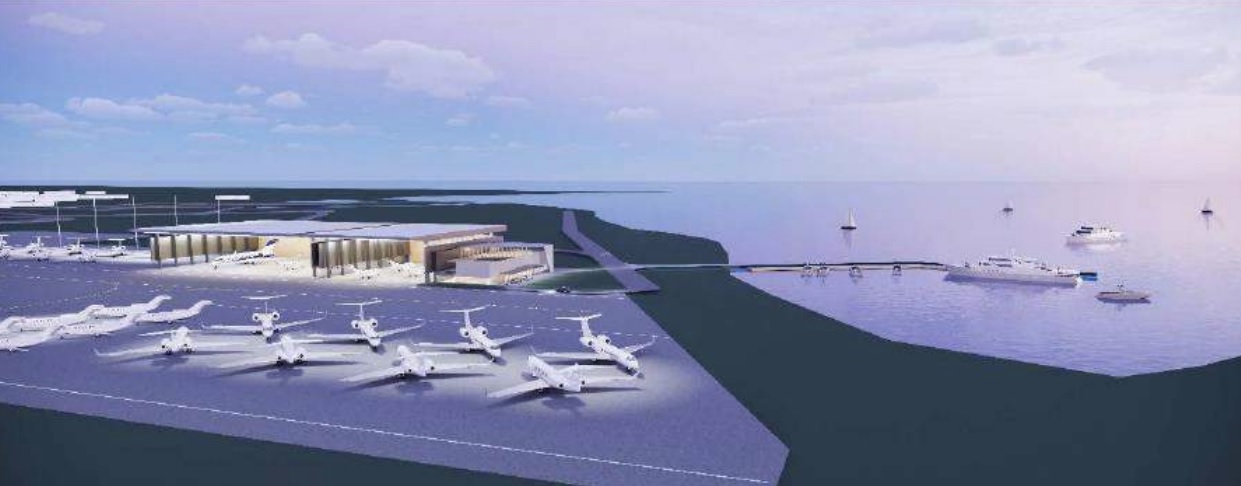
The Central Planning Authority is scheduled to hear an application on Wednesday, 19 March to expand the airplane parking apron at Owen Roberts International Airport on Grand Cayman.
AMR Consulting Engineers is applying to expand the apron by 682,127 square feet as part of the work relating to the construction of a new general aviation terminal for private aircraft.
The $1.2 million project was included in a wide-ranging, multi-year, $660 million proposal for all three of Cayman’s airports, set out in an outline business case and master plan that was published in 2023.
That document noted that the current general aviation terminal is “of low quality, outdated and is not a good representation of the islands from a luxury brand perspective”, and needed to be upgraded substantially to attract more high-worth visitors on private planes to the island.
The outline business case suggested that building a new general aviation terminal and apron at Owen Roberts would enable more than 40 private planes to park simultaneously during peak periods without taking up space from other aprons. It would also enable commercial aircraft to use a portion of those aprons during off-peak periods.
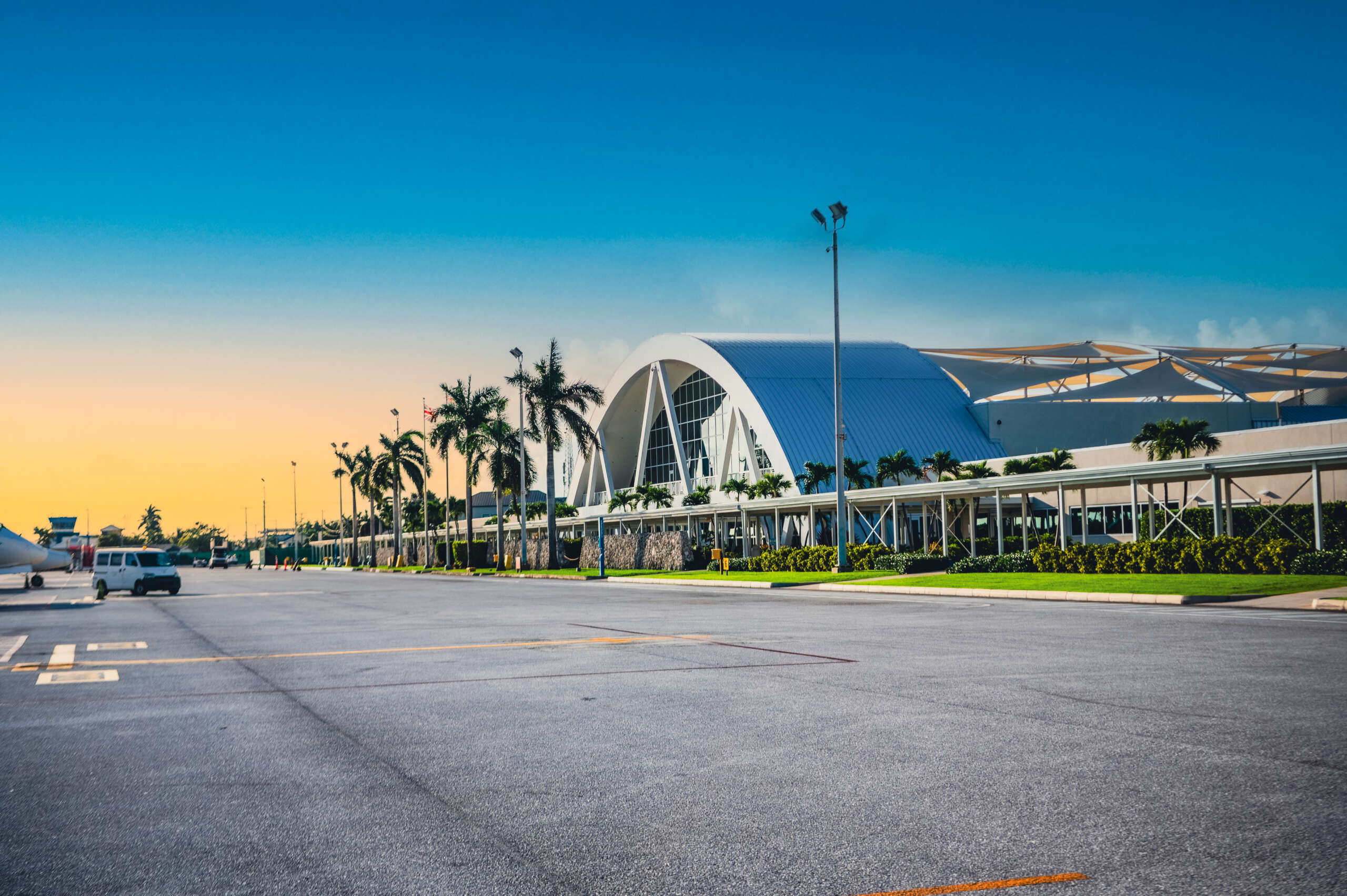
The airport master plan also recommended extending the runway of Owen Roberts into the North Sound, but that is an entirely separate element of the project to the apron expansion.
Terms of reference for an environmental impact assessment of the proposed runway extension are expected to be completed by the end of June, the Cayman Islands Airports Authority told the Compass in response to queries about the progress of the master plan recommendations. Once that is done, an EIA will follow.
The airports authority spokesperson confirmed that the only projects it is currently proceeding with is the general aviation parking apron, as well as a heliport and marine dock, which will operate initially as an overflow apron.
“That is at the RFP [request for proposals] stage at present,” a CIAA spokesperson said, adding that an RFP for the design of the general aviation terminal will be issued in the second half of this year.
Plans for a new car park at the airport are currently awaiting building control approval, after which an RFP for that project will be issued, the spokesperson said.
Mangrove buffer concerns
In its submission on the planning application for the general aviation apron, the Department of Environment noted that while the site is already man-modified and of “limited ecological value”, its northeast corner contains tidally flooded mangrove forest and woodland.
The department pointed out that while much of the airport’s 343-acre parcel is zoned for airport lands, roughly 2,200 feet of the coastline is zoned as mangrove buffer.
The project was screened for an environmental impact assessment earlier, and the National Conservation Council determined that, as the likely impacts of the work were already known, it did not require further assessment.
Further setback from North Sound recommended
The DoE stated that for this development the main environmental aspects to consider were managing the impacts from construction, particularly to tidally flooded mangrove
forest and woodland, and increasing resiliency by maintaining sufficient setbacks from the coast.
Noting that the proposed development is situated very close to the North Sound, with areas of the apron and service road as close as 40 feet from the sea, it recommended that the applicant place the development further back from the shoreline.
“Coastal setbacks not only reduce the risk of damage from storm surges, sea-level rise and coastal erosion, but also help to preserve the natural protection that coastal ecosystems, such as mangroves, provide. Taking this approach to design can help avoid costly adaptations or repairs in the future and should be carefully considered,” the DoE stated.
It also pointed out that under existing planning regulations, all forms of development are
prohibited in a mangrove buffer zone, except in “exceptional circumstances”.
“While the proposed development will inevitably result in some impact to the existing tidally flooded mangrove forests, the applicant and their agent has demonstrated a willingness to collaborate on a comprehensive mitigation strategy,” the department said. “This will likely include the development and implementation of a replanting plan to help offset any ecological loss.”
It recommended to the Central Planning Authority that, if it is mindful to approve the application, that AMR should submit a detailed mitigation plan for the review and approval of the Department of Environment.
“This plan needs to outline measures to help offset the related impacts to the mangrove habitat, including but not limited to, replanting, habitat restoration or other compensatory actions,” it said.
Objection
One objection was lodged against the proposal, citing “deep concern” among the objector and neighbours.
“I believe that this expansion poses a significant threat to the environment,” the objector stated. “The construction and future operation will affect and disrupt the delicate ecosystem of the North Sound.
“Undoubtedly, local wildlife and marine life are most vulnerable to the changes that will
be brought about in this expansion. I am sure that the government will explore alternative means that will prioritize the preservation of this beautiful Cayman Islands we call home.”
Related Videos











Why continue to develop this airport in this when in storms will flood? Keep the current site for small private planes and move to the east for larger planes.
Does our aircraft traffic control tower now have a radar system for safely expediting aircraft movements. We now have a lot more aircraft using our airport and on many occasions I have noticed a very short interval between aircraft on final approach.