Cayman is making progress in obtaining a prestigious seal of approval from US regulators, a senior official at the Cayman Islands Monetary Authority has said.
Kara Ebanks, the head of CIMA’s insurance supervision division, said achieving qualified jurisdiction for the country’s reinsurance industry remained a top priority.
She said, “It’s progressing – I would say the progress has been positive.”
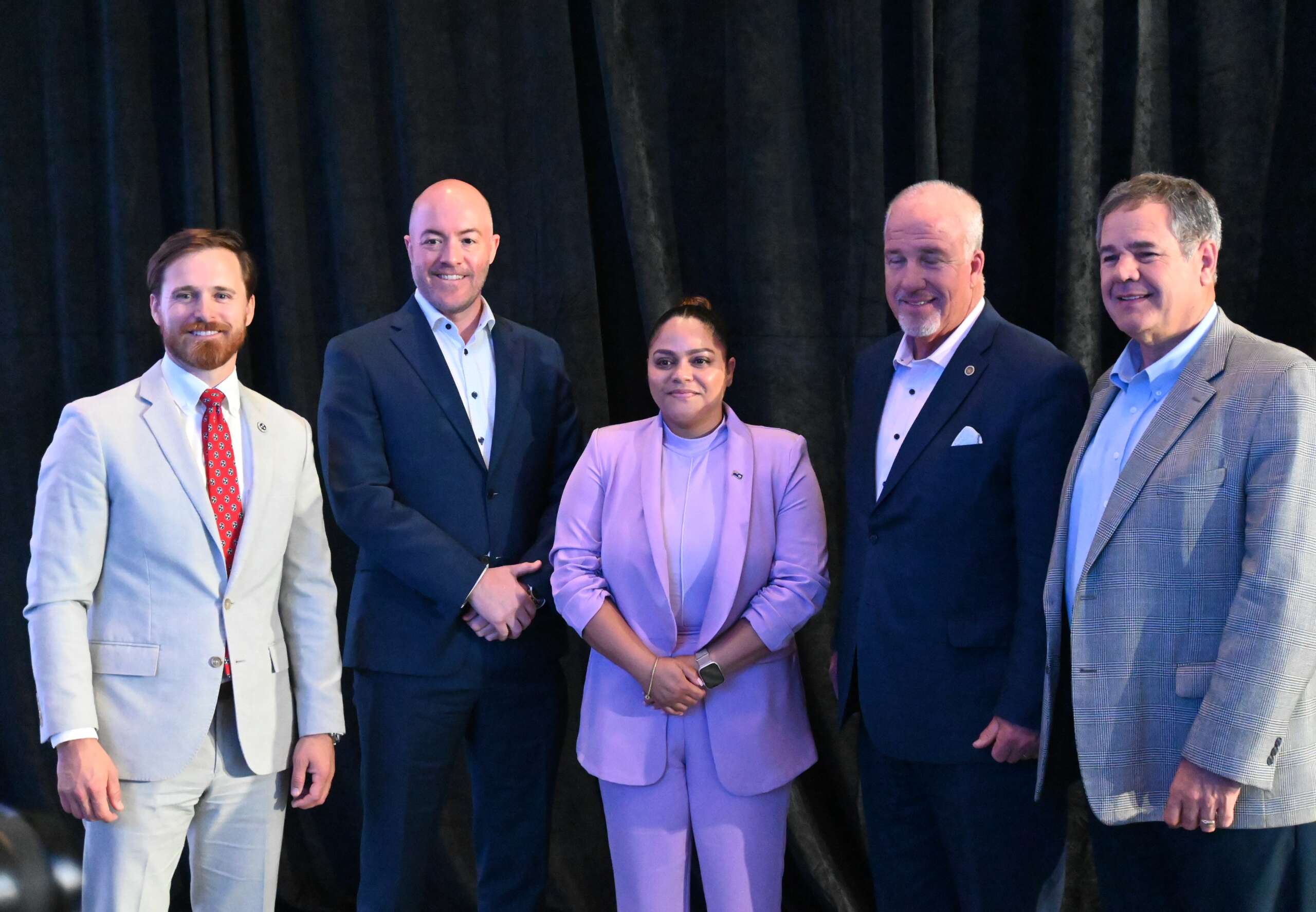
Ebanks was speaking at the second day of the annual ‘[Re]connect’ reinsurance conference at the Ritz-Carlton hotel on West Bay Road on Friday, where she appeared on a panel discussion on ‘Bridging Borders’ alongside four state insurance commissioners from the United States.
“We don’t want to put a timeline on it,” Ebanks said. “We’re trying to make the best effort to the application review and that they have the time to consider the factors of our framework and consider the application.”
Ebanks said the decision by the commissioners to attend the conference “for the first time means they are open to hearing more about what we are doing as a jurisdiction”.
She added, “It’s important that people remember that because reinsurance is cross-border – there will always be that need for partnership. This showing of the US insurance commissioners is part of that.”
Cayman is looking to achieve “qualified jurisdiction” status from the US National Association of Insurance Commissioners (NAIC).
The endorsement would give Cayman-based insurers and reinsurers the opportunity to have reduced collateral levels under NAIC regulations, which would make it more attractive as a centre for insurance and reinsurance.
Ebanks said, “Taking a step back, going for the NAIC-qualified jurisdiction status is not just a strategic decision for CIMA, but for the government as well.”
She added that the US rules on collateral were put in place to ensure “consumer protection” and that claims could be covered.
Ebanks explained, “Our framework would essentially be recognised by the NAIC as equivalent to theirs.”
She added Cayman had made significant strides over the years, “which have put us in line with international standards”.
Ebanks said organisations like the Financial Action Task Force (FATF), the global money laundering and terrorist financing watchdog, had made a huge difference to the offshore financial industry over the past few decades.
She added the regional Caribbean Financial Action Task Force (CFATF) had removed Cayman from its ‘grey list’ last year, which was another boost for the jurisdiction’s standing.
Glen Mulready, the Oklahoma state commissioner of its insurance department, joined fellow commissioners Nathan Houdek of Wisconsin, Carter Lawrence of Tennessee and Jon Pike of Utah on the panel.
Mulready said afterwards that the attendance of the US officials was “a recognition of the kind of cooperation and willingness to work with us” shown by Cayman.
He said, “They have continued to reach out and work with us and I know they are trying to become a qualified jurisdiction. We will do our due diligence and work with them.
“Events like this help build that relationship – it’s about being transparent. Their goal is the same as ours – to make sure companies retain solvency and consumers are protected.”
He added, “This is evidence of them trying to build bridges, which is always helpful in any business relationship. It all has to start there.”
Earlier, Ebanks said during the panel discussion that increasing “complexity” in transactions in the insurance-related industry demanded a “risk-based approach” to regulation.
She added, “One key function of the authority is a cooperative function … we are required to cooperate with regulators, whether internationally or regionally.”
Ebanks said Cayman was proud of the 70-plus international memorandums of understanding it has signed up to.
Lawrence added that the insurance and reinsurance industries needed “a stable and predictable” environment to operate in.
Houdek said it could be “confusing” as the US had 56 separate jurisdictions, but that they “talked all the time”.
He added there were also small multi-jurisdiction task forces and groups that were brought together.
Lawrence added that last September’s Hurricane Helene caused record rainfall and flooding in Tennessee and “unprecedented” losses, including 30 deaths, and that changing weather patterns were a concern.
Ebanks agreed and said capacity was “a significant issue” and that new capital would be needed.
Pike said, “Everything is changing and evolving and we have got to consider that – having adequate access to capital and making sure we have solvency in mind as well.”
Houdek added it was an “eye opener” to learn how similar the problems around the world were in relation to weather-related events.
Related Videos