

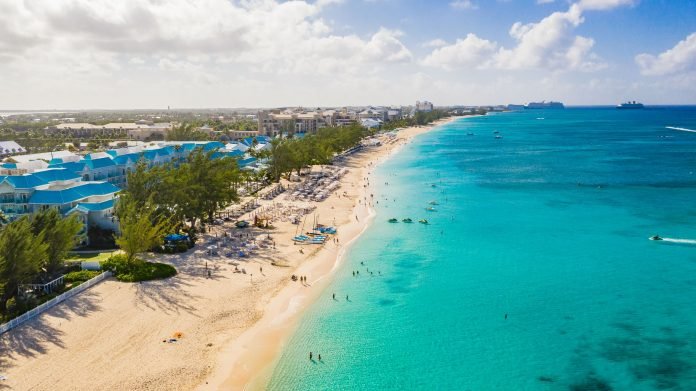
A comprehensive development plan considering everything from building heights and stormwater management to public transport and the sewage system is desperately needed, according to a range of experts.
Developers, realtors, planners, architects and conservation officials concur that the island is overdue for an update to the 1997 document.
Government embarked on the latest effort to update the plan in 2018. And while a comprehensive vision document – Plan Cayman – there is still no accompanying zoning map or policy plan to replace the 28-year-old document that still guides how the island grows.
Premier André Ebanks told the Compass the issue would be part of the new coalition government’s discussions as it prepares for its Strategic Policy Statement which will set key goals and priorities for the next four years.
Meanwhile, a surge in population and a host of high-profile clashes around development and its impact on the natural environment have accelerated calls for implementation of a comprehensive national vision.
As a new 2024 draft of the planning statement – the guiding vision for the Plan Cayman project notes – Cayman’s population grew by 18,000 in the five years between the two drafts of the document.
Plan Cayman moving forward
Richard Mileham, who is leading government’s Plan Cayman initiative, acknowledged that the current approach to development was ‘ad hoc’ in nature and said the aim of the process was for the community to create that new national vision.
An introduction to the draft plan approved last year indicates the aim to find a “desirable balance of economic, social and environmental outcomes, while safeguarding the culture, health and general welfare of its people”.
In emailed responses to the Compass, he said there had been significant consultation on the draft last year. The next step is for the Planning Appeals Tribunal to consider objections and representations before the planning statement is revised and approved in parliament.
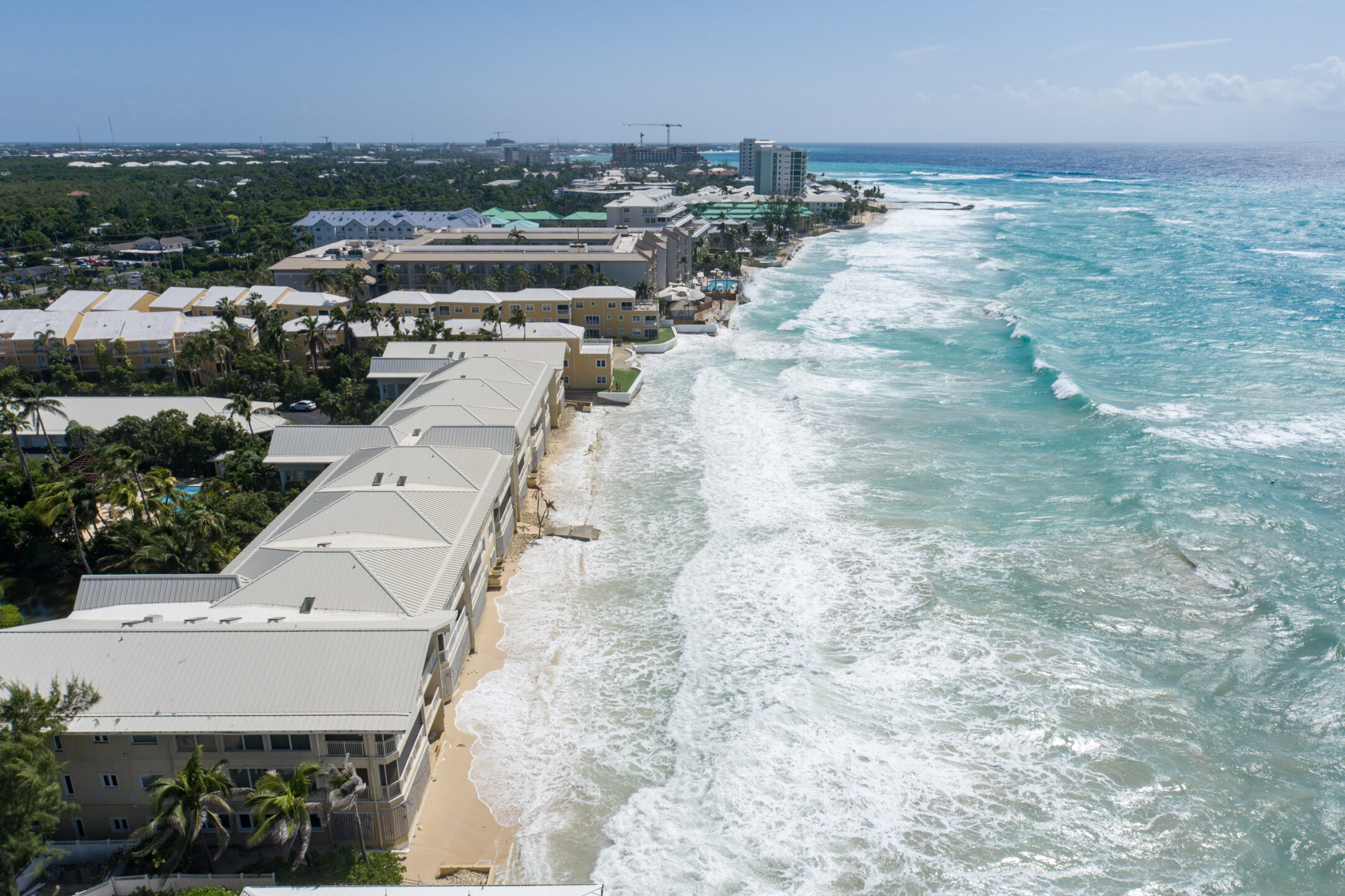
After that, he anticipates that, with government approval, work would commence on specific area plans, which will transform that broad vision into enforceable polices for each area, likely starting with the Seven Mile Beach corridor.
“A new Development Plan would allow long-range policies for physical development and the overall use of land to be prepared in a comprehensive manner. This means that a wide variety of issues and opportunities facing the built environment can be considered and appropriate policies created to better align with community needs and future aspirations” he said.
Without that updated plan, he said, the burden was on the Central Planning Authority to deal with issues on a case-by-case basis.
“The Development Plan review process, meanwhile, is more proactive in nature and would look to identify a vision for a given location and then introduce policies that seek to achieve that vision,” he said.
Consensus and compromise
The need for action is an area where there is rare consensus.
National Conservation Council chair Ian Kirkham said the island was currently operating in a “policy vacuum” that puts an unfair burden on the Central Planning Authority.
“The people of the Cayman Islands are very concerned about population growth,” he said. “They’re concerned about infrastructure, about waste management, about roads. We can’t create a development plan unless we take all that into account.”
He believes there is significant room for compromise on all sides in the debate over how Cayman should grow. He hopes the council will be able to work alongside the Planning Department, environment officials and others to help craft a land use document that protects and preserves Cayman’s natural beauty while allowing for the infrastructure development that may be needed.
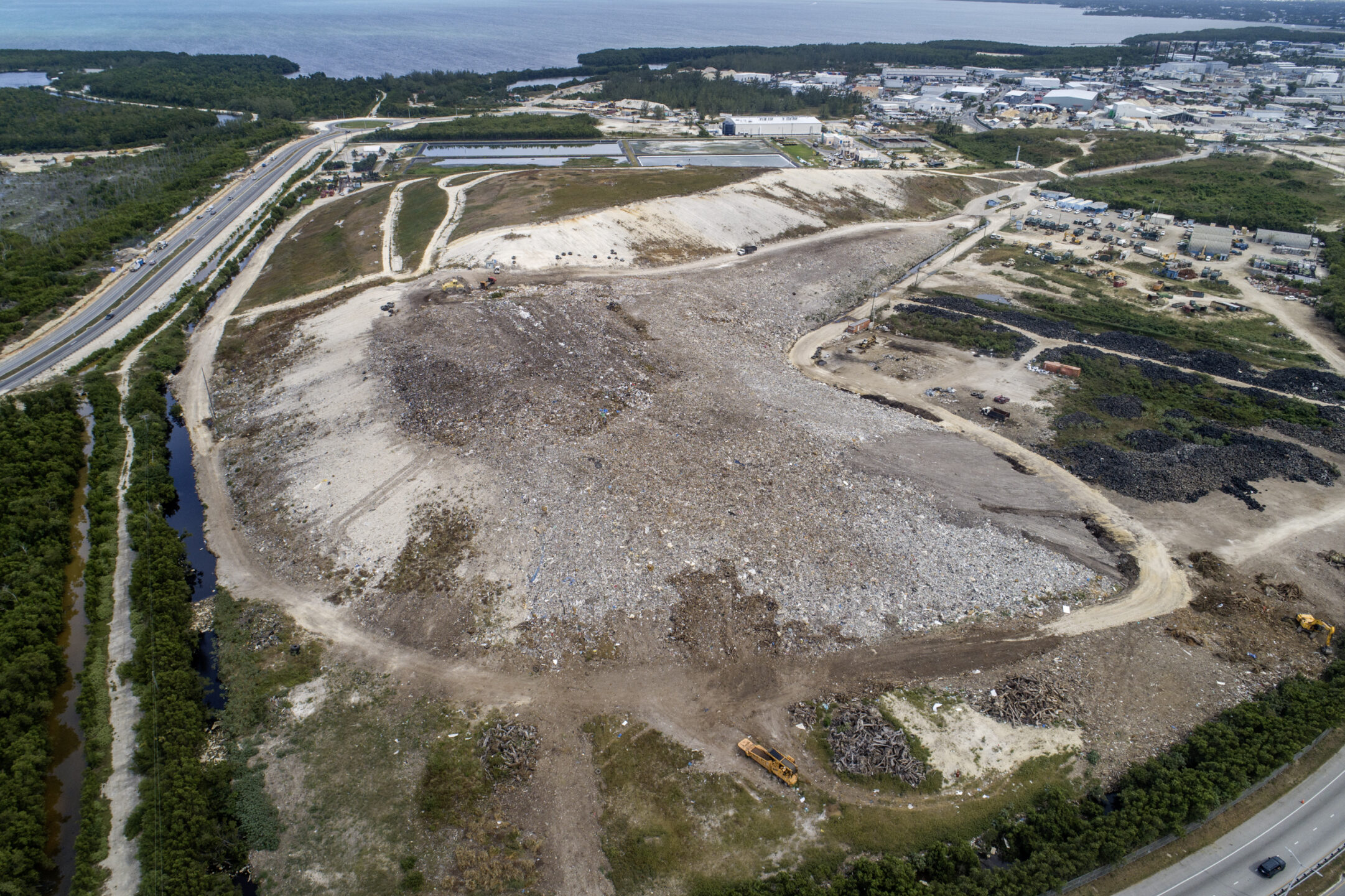
Gary Gibbs, Dart’s executive vice president of development, concurs that an updated national vision is overdue. He said investors were looking for clarity.
While he acknowledged there would need to be compromise in any national zoning conversation, Gibbs believes there may be more common ground than people realise.
“Ideally, a Development Plan is going to maximise viable land for economic growth and preserve environmentally sensitive land for protection,” he said.
Gibbs added that Dart, and many other developers, had the best interests of Cayman, its environment and its economy at heart, and were seeking to build in a way that is consistent with what the islands and its people want.
He understands that there was a wide disparity of views across the community, but suggested the process of putting the plan together would seek to achieve consensus on the vision and direction for the future.
“It needs to touch on environmental protection. It needs to touch on global warming resiliency, and needs to probably touch on an economic diversification,” he said of the pending process.
Colleen Stoetzel, a former planning officer now a land-use planner with Dart, added that the process of putting the document together would give the community a proper chance to have a say – for the first time in 30 years – on what the right balance should be.
While there is broad agreement on the need for a development plan, there may be disparity about how it should balance competing interests.
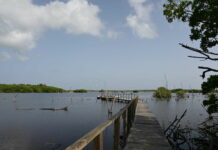
Kirkham, of the conservation council, agrees there is room for compromise. He believes making Cayman’s natural areas more accessible – citing the example of the Mastic Trail – will make people more anxious to preserve them.
He also believes there can be compromise between preserving Cayman’s natural beauty and focusing on building new housing or infrastructure for its growing population.
“I really believe it comes down to the right people talking to the right people,” he said.
As for any bad blood with the planning authority after bruising court battles over the last few years, he says, “As far as I am concerned it is a non-issue. We all have to work together.”
Related Videos








NEW LANDFILL DESIGN – North of the new highway East of Newlands and West of Bodden Town there are large government swamp acreages.
With Civil Engineering Technology that are specifically design for reclaiming swamp land for Landfills should be taken forward and investigated.
In 1983 I was one of the Civil Engineers that help design the current landfill & Waste WaterTreatment Plant, that back then was swamp land with major sink holes.
Waste to Energy for Grand Cayman is not a viable option.
They should not do a dump the trash in the ocean type of scheme.