More than three decades after a detailed document outlining policies and actions for development in Little Cayman was drawn up, residents of Cayman’s smallest island are finding themselves repeating the exercise, and hope that this time, someone will listen.
The inhabitants of Little Cayman are currently working together to formulate a cohesive response to an invitation from planning officials to have a say in how their island will be developed in the years and decades to come.
That invitation is part of PlanCayman, a government initiative to update the 1997 national development plan. Public meetings have been held in each of Cayman’s districts, in which residents have been asked to submit feedback on an overall planning statement, which will later be followed by a public consultation for area plans for each individual district.
For the districts of Grand Cayman, the aim is to update the existing development plan, but on the Sister Islands of Little Cayman and Cayman Brac, this will be first time that they will have their own development plan. Without such a plan, there is no zoning, so any kind of development can technically be built on any part of the islands that isn’t protected under the National Conservation Act or through ownership by the National Trust.
While drawing up their feedback for PlanCayman, residents of Little Cayman came across a long-forgotten report, written in 1991, when a review of the 1977 development plan was being carried out.
The review of the ’77 plan began in 1991, and it took another six years before the new plan was put into place. When the 1997 plan was released, it only included Grand Cayman in its planning statement. An appendix at the end of the document included the “guidelines” for the two Sister Islands, which had been drawn up in 1977.
Department of Planning staff collated the 1991 document for the Little Cayman District Advisory Committee, the membership of which is a roll call of some of the most prominent members of the Sister Islands community at the time.
It was chaired by the late Captain Charles Kirkconnell, with Captain Mabry Kirkconnell as vice chairman and Karen McNamara as executive secretary. Other members included Charles Adams, Guy Banks, John Palmer, Sam McCoy, Gladys Howard, Linton Tibbetts, James Ryan, Rudi Slezer, and the now director of the Department of Environment Gina Ebanks-Petrie.
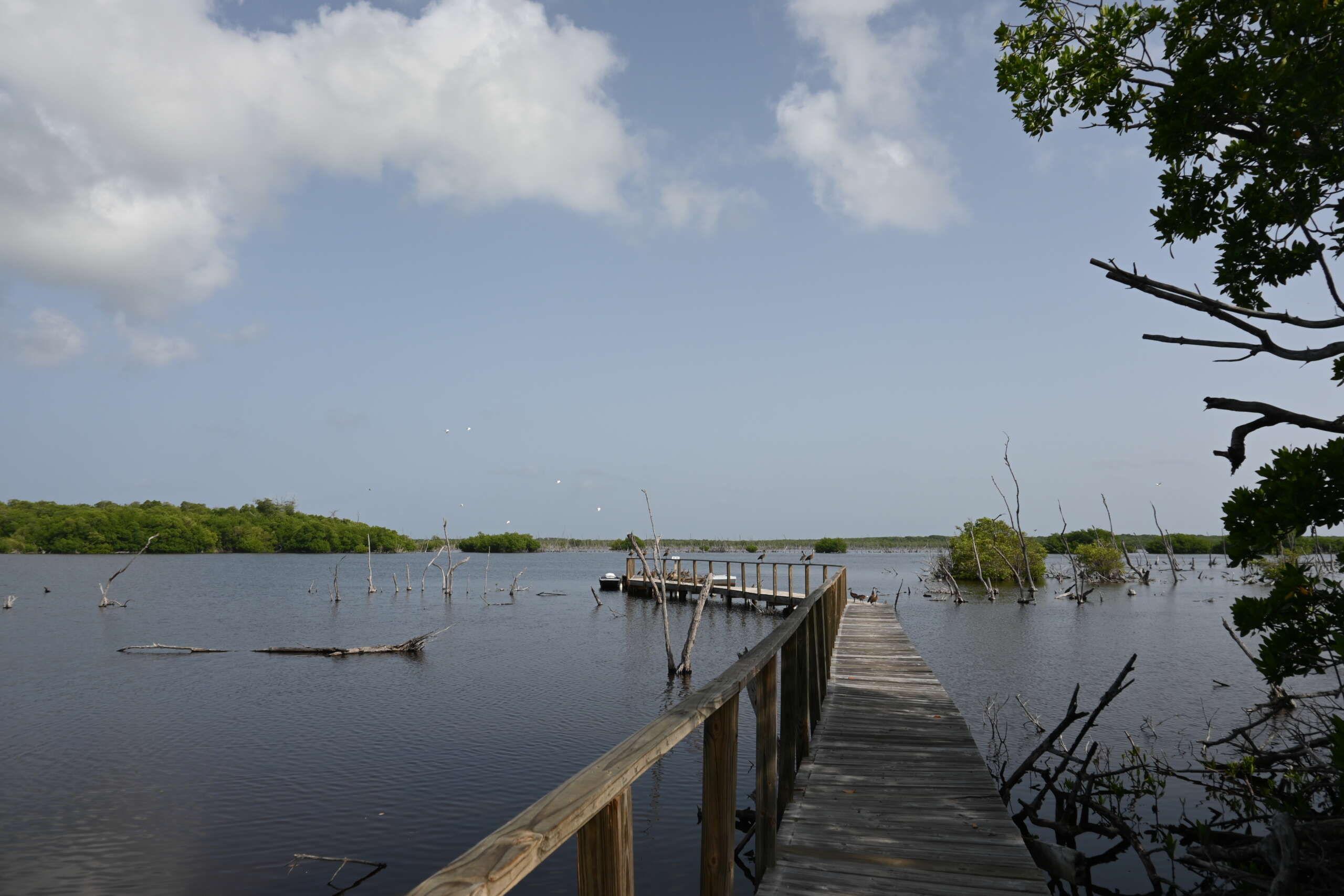
Then, as now, Little Cayman and Cayman Brac were highlighted as unique parts of the Cayman Islands with their own characteristics, natural beauty and attributes, which could be protected under a development plan.
Public consultations – 33 years apart
Following a PlanCayman meeting hosted by planning officials in mid-July, residents met recently to determine how they could ensure that their voices are heard in the widespread public consultation.
The planning document from 1991, they decided, was a good starting point, as it brings up many of the same issues that still exist today, and the reasons why they feel their island should be given priority when the area plans for the districts are drawn up.
That document notes, “Caymanians and foreign tourists go to Little Cayman to experience a natural beauty and quiet lifestyle which is difficult to find on the other two islands. It can be safely assumed that the type of experiences visitors enjoy now on Little Cayman, the tourist of two decades ago cherished on Grand Cayman.”
Back in 1991, there were already concerns about development on the island, with the report writers stating at the time that, as a result of people seeking out its “peaceful ambiance”, Little Cayman was experiencing the “highest level of development pressure it has seen in decades”.
Different century, same issues
Residents at the meeting on Little Cayman on Saturday, 27 July, noted that exactly the same can be said today, but now those concerns are heightened because, with a possible development plan in the works for their island, people who own land there may begin developing it before zoning for specific areas is put in place.
That’s one of the reasons the residents say they want to see a plan “sooner rather than later”, and want to be the first of the districts to have an area plan in place.
Noting that nobody wanted to entirely stop development on the island, the 1991 report pointed out that “development must compliment the island’s precious attributes, rather than detract from them” and that to enhance Little Cayman “development must have direction and guidance”.
Without a development plan, that direction and guidance has been lacking for decades, leaving the Cayman Brac-based Development Control Board, which makes decisions on planning applications for the Sister Islands, to grant or refuse those applications on a case-by-case basis, rather than adhering to a written development plan, complete with zoning.
Already the island, which is only 10 square miles in size, is dotted with subdivisions, the vast majority of which have not been built on, and what residents describe as “roads to nowhere” – paved or dirt roads to access those subdivisions.
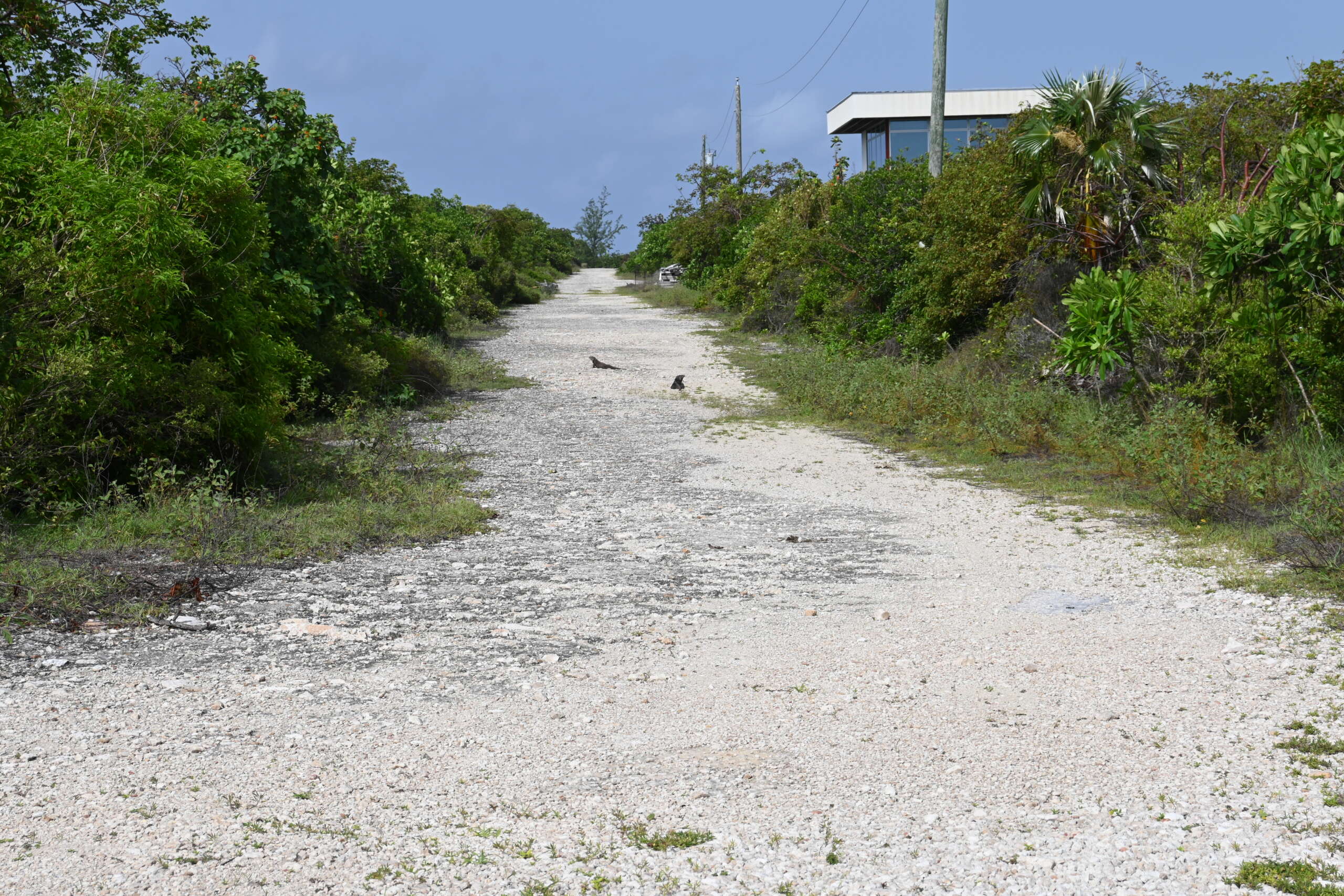
It’s been noted that if even one or two of the larger subdivisions were actually developed and occupied, they would essentially double the population on the island, which currently stands at about 200.
The 1991 document called for an interim planning policy and action statement, specifically for Little Cayman, to be “implemented instantly”, which would “serve to protect Little Cayman’s interests until a more comprehensive Development Plan” could be completed. More than three decades later, that has still not been done.
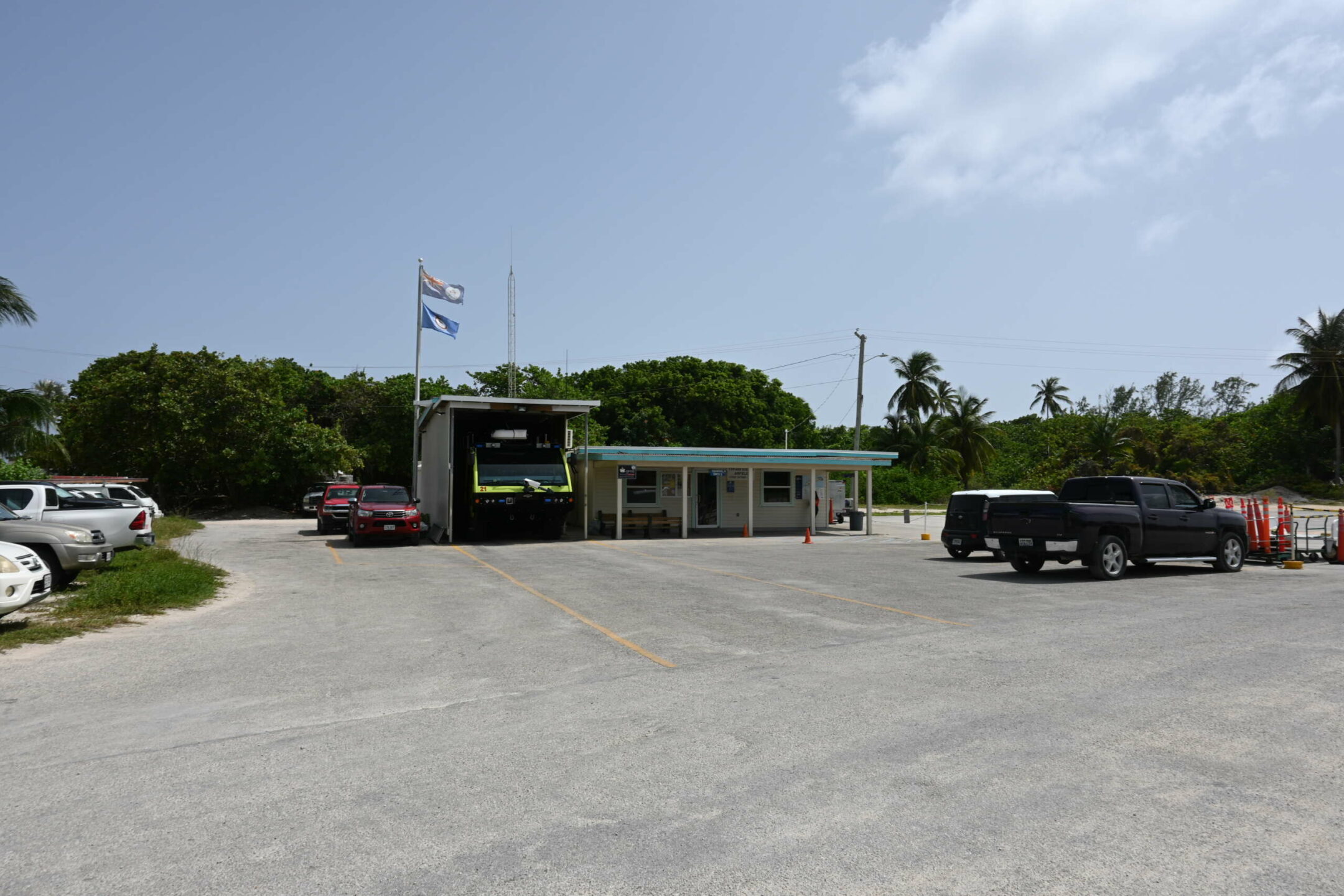
The document looked at long-term planning that would address environmental, economic and historic/cultural concerns. This included protecting mahogany forests, mangroves, wetlands and native wildlife; a ban on franchise outlets and on hotels with more than 40 rooms; and extending the airport’s runway 1,000 feet to the west “to ensure safety”.
It also noted that “mobile homes and trailers” for human habitation should be prohibited; and that new construction should “support and enhance Little Cayman’s traditional architectural style”.
The document highlighted the ongoing issue of coastal setbacks, calling for 100-foot setbacks from the mean high water mark.
Parts of the report are so detailed they even contain hand-drawn images outlining road layouts with bike paths, sidewalks and grass verges, as well as designs for public benches, fences, street signs and lamps.
Residents of Little Cayman and all other districts had until 6 Aug. to submit their feedback to the Department of Planning. For more information, visit PlanCayman.ky.
Related Videos