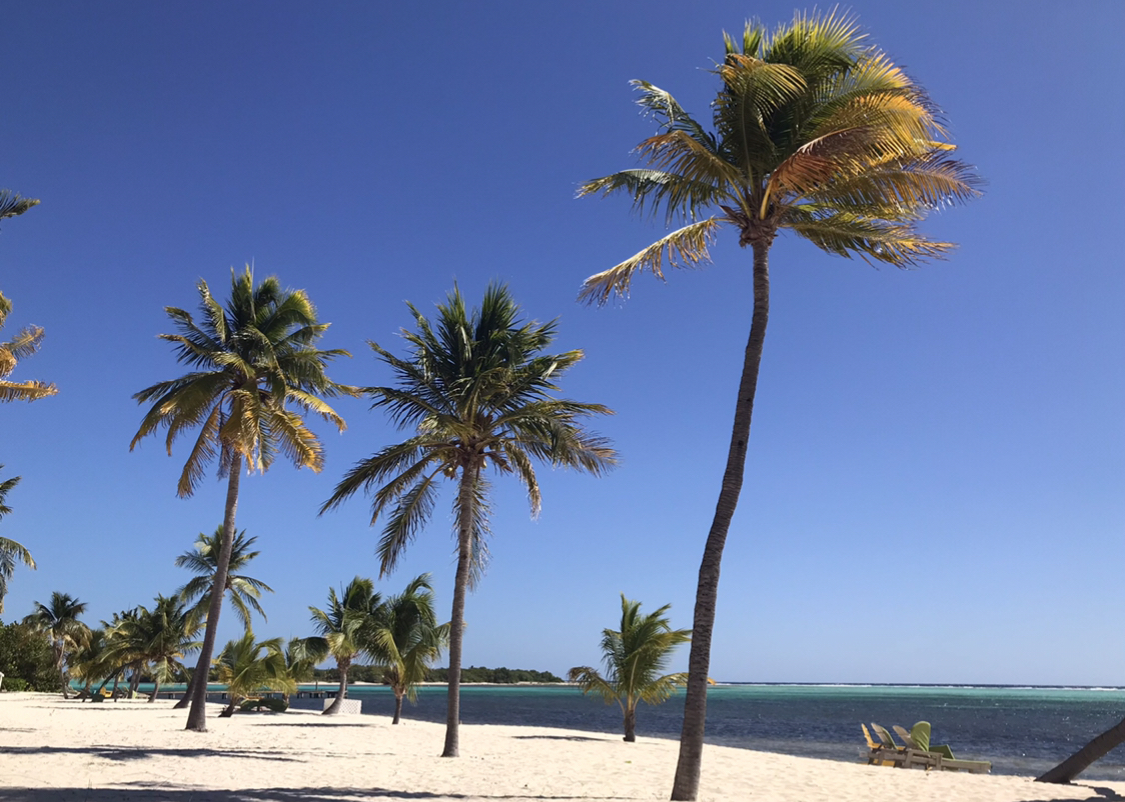
Residents of Little Cayman are calling for more transparency and the ability to have more input in the planning decisions for their island.
The residents support having a member of their community on one or both of the two planning boards that exist on Grand Cayman and Cayman Brac, or even having their own planning board on Little Cayman.
They made their pleas at a meeting held by planning officials who visited Cayman’s smallest island on Monday night to present PlanCayman – a proposed new national development plan to replace one that has been in existence, and not updated, since 1997.
However, the existing plan applies only to Grand Cayman, and there is currently no overall development plan, or even specific zones, for either Little Cayman or Cayman Brac.
This has led residents of Little Cayman to call for their island – the least developed of the three islands – to be given priority when it comes to the establishment of zoning and plans for individual areas, as they say it faces the biggest threat from development.
The creation of area plans is the next step in the process of drawing up a comprehensive national plan for the islands. Planning officials have been visiting all the districts in Cayman in recent weeks as part of a public consultation to inform residents of a ‘Planning Statement’ – the first document in the process.
At the packed meeting on Little Cayman on Monday night, which was attended by almost half the island’s population, many participants raised concerns that until and unless something is done to protect the island from development, it is at risk of losing its unique charm and character.
Island’s own planning representative
Handel Whittaker, deputy chairman of the Central Planning Authority board on Grand Cayman and also a property owner on Little Cayman, was among the three planning representatives at the meeting.
Addressing the audience of about 80 people at the Little Cayman Beach Resort, Whittaker said he had suggested to government that “the time has come for Little Cayman to have its own representative” on Grand Cayman’s Central Planning Authority or Cayman Brac’s Development Control Board.
“There’s too much construction going on now. [Little Cayman] needs to have its own member on the board, so he or she will know what’s happening on the island,” he said, to applause from the audience.
Another resident went further, suggesting that it would benefit Little Cayman to have its own planning board, comprised of Caymanian property owners, who spend a minimum of a certain amount of days on the island “who are in touch with and understand what is going on in this tight-knit little community”.
Calls for more transparency
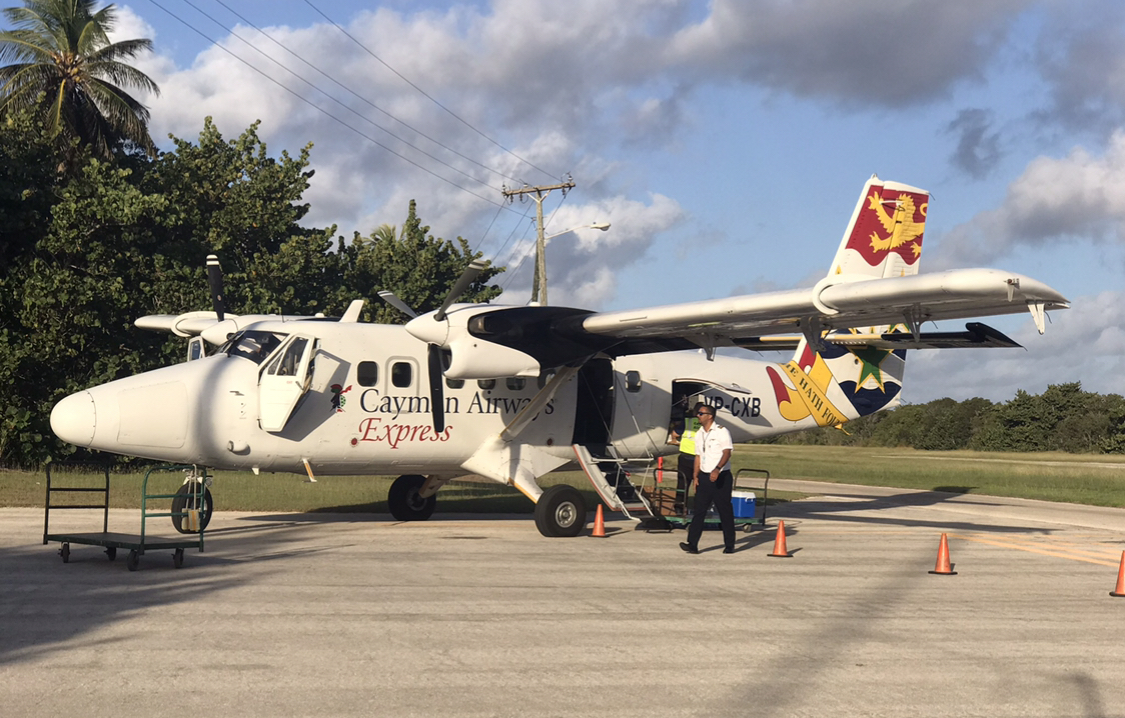
Another audience member noted that there had previously been discussions of moving the island’s airport, as well as current talk of an application for a football pitch being built in Little Cayman, which the residents had heard about through the grapevine rather than through official sources. He asked how residents could get information about the types of development being proposed for the island.
This question was also raised by others at the meeting, who called for more transparency and less ad-hoc dissemination of information regarding their island’s development.
Haroon Pandohie, director of the Department of Planning, responded that those questions were exactly the reason the island needs its own plan.
“Unfortunately, when there is no plan, when there is no document, everyone fills the vacuum … and you’re subject to the whims of the individuals who are filling that vacuum. That’s when you end up with these competing interests,” he said.
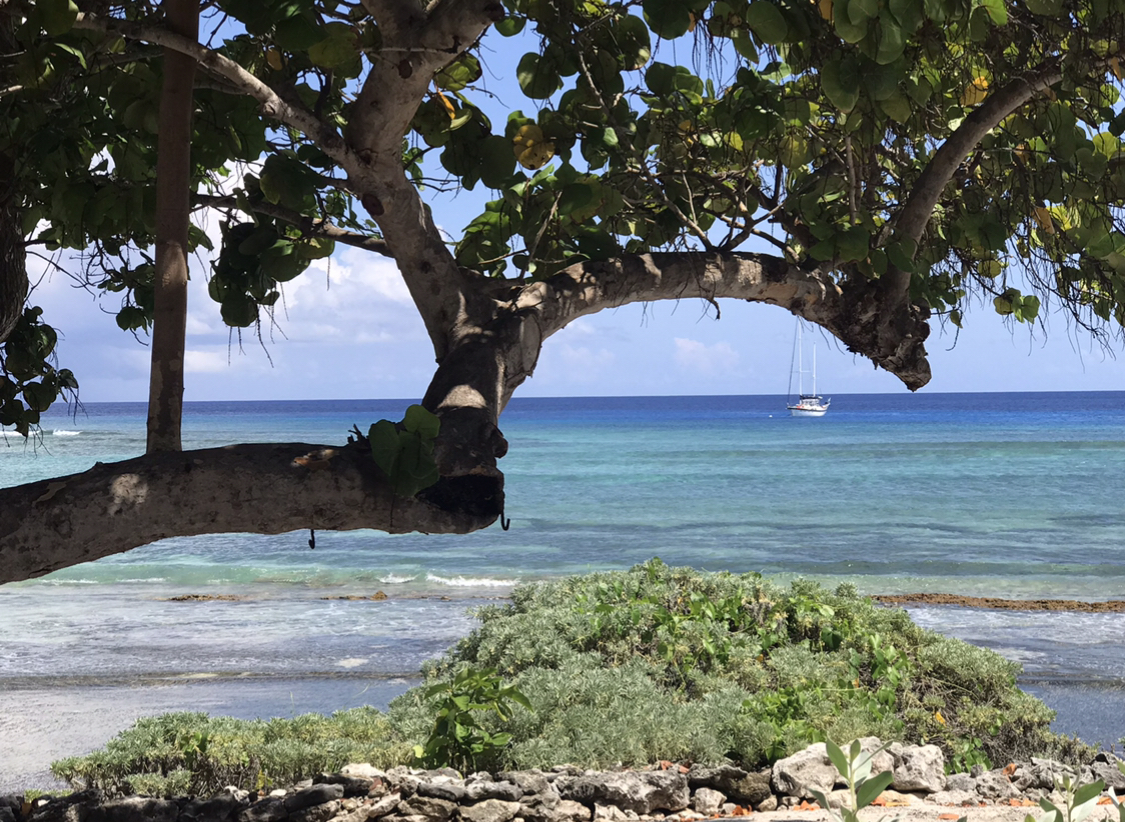
He described Little Cayman as currently being a “blank canvas”, as no specific areas have been set aside for particular types of development. “So, what do you do with a blank canvas?” he asked. “You start painting and you hope you don’t go too far out of the lines. This is an opportunity for you as a community to create those lines.
“That then leads you forward, and instead of having others fill that vacuum for you, you’re actually taking control of your community and saying, ‘This is what we want our community to be’.”
Whittaker also noted that the plan for Little Cayman would be created from the input of the island’s residents. “It is your plan, you have to get on board and come up with what you want this beautiful little gem to be like 15 years down the line,” he said.
Another resident, who noted that no one from the Development Control Board was at the meeting, queried how zones, like those for hotels and tourism, would be applied in Little Cayman, and would they differ from those on Grand Cayman.
Pandohie confirmed that they would be different, as each island would have its own specific criteria that would be put in place, which would ultimately ease concerns about residents being completely in the dark about what could or could not be built next door to them.
“We’re trying to start to slowly put some level of consistency and transparency … to this process,” he added.
Richard Mileham, policy and development planning officer at the planning department, told the audience that area plans would be created over a five-year period, with the aim of producing two each year.
This raised the question of what would happen in the meantime, and calls for Little Cayman to be put at the top of the list of area plans to be devised. One resident noted that the reason Little Cayman and Cayman Brac should be prioritised was because neither has an existing development plan to offer a modicum of protection.
Pandohie said this message would be passed along to the politicians who make the decisions.
No zones, so no official notification process
One audience member asked how development on the island would be overseen while a plan for it was being drawn up, to which the response was the current regime would remain in place.
But, under that regime, another attendee noted, residents are not getting notified of developments on their island, and those that are frequently do not appear to be getting the postal notification letters from the Department of Planning in time to object.
Pandohie stated that on the Department of Planning website, there is a link through which people can check applications about which adjacent landowners have been notified, but the onus would be on the individual to check that link.
He highlighted one of the main issues surrounding whether residents of Little Cayman get notified of nearby proposed development. “The challenge that occurs in the Sister Islands is that the notification radius is tied to zones. You don’t have zones,” he said.
Instead, how people are notified is based on “standard practice” by the Development Control Board, rather than on any legislative or regulatory mechanism.
Pandohie said once a plan is in place for Little Cayman, rules can be formally established about the notification provisions, rather than the continuation of the current “open-ended policy and guidelines”, which, he said, are susceptible to change by decision-makers.
To give feedback on the planning statement, click here.
Upcoming meetings
Future PlanCayman meetings will be held at the following venues and times:
Virtual public consultation: All islands (on the Cayman Islands government YouTube live channel)
Date: Thursday, 18 July
Time: 12-2pm
East End: William Allen McLaughlin Civic Centre
Date: Thursday, 18 July
Time: 7-9pm
Cayman Brac: Aston Rutty Centre
Date: Monday, 22 July
Time: 7-9pm
Savannah: Savannah United Church
Date: Thursday, 25 July
Time: 7-9pm
North Side: North Side Civic Centre
Date: Monday, 29 July
Time: 7-9pm
Related Videos