Progressives leaders have acknowledged “deficiencies” in their handling of the multi-million dollar deal to fix Cayman’s landfill problem, while seeking to shift scrutiny for the failure to the PACT and UPM governments that inherited the deal.
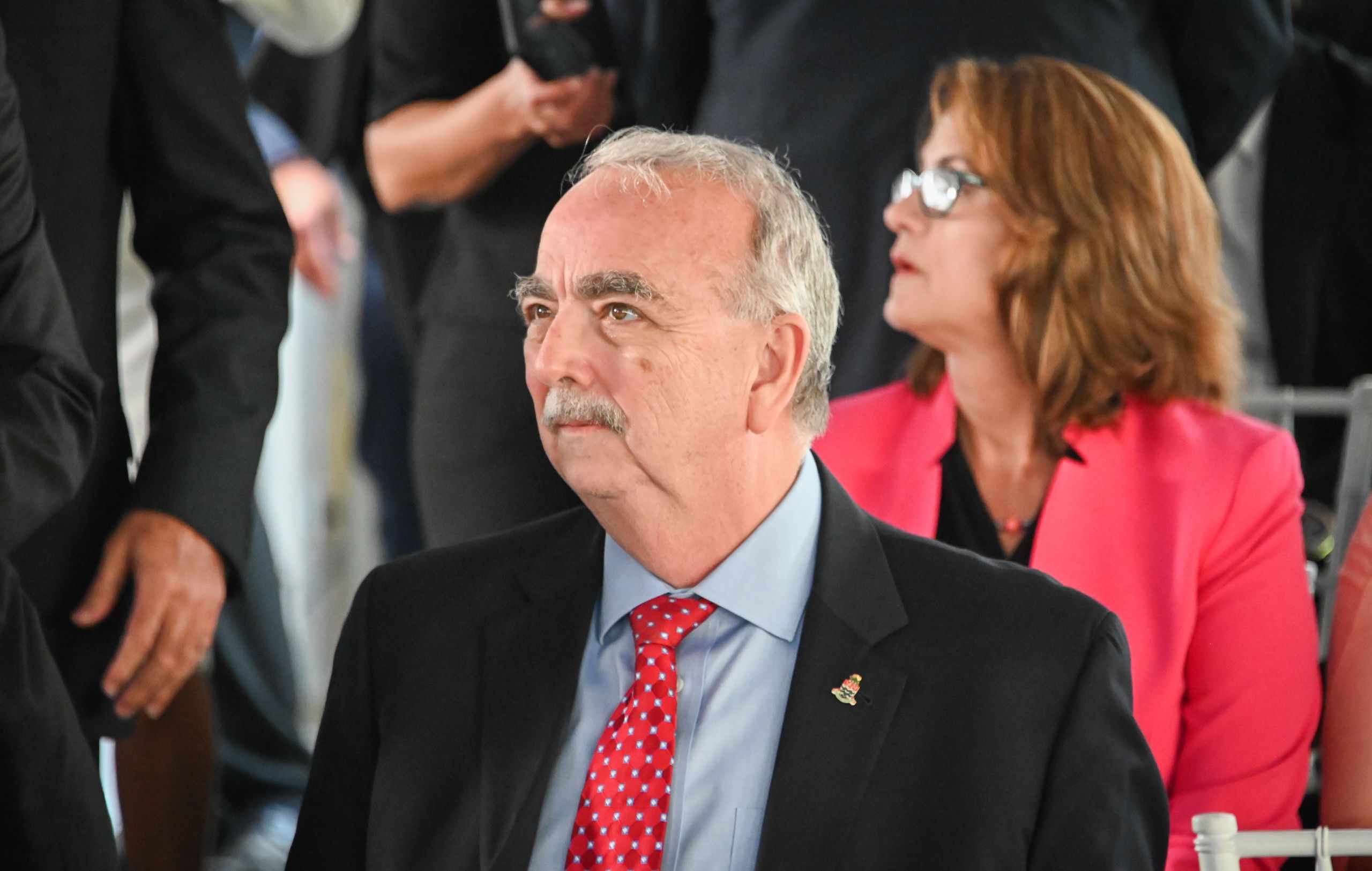
Opposition leader Roy McTaggart and his deputy Joey Hew continued to question government over its handling of the ReGen project, which finally collapsed last month after 10 years of negotiations.
Since then, a 2021 report by the auditor general has been widely leaked to the media. That report showed that at the time the deal was signed, when McTaggart was finance minister and Hew was commerce, planning and infrastructure minister, the public sector financial watchdog thought it did not represent value for money.
Deficiencies in process
The report indicated the deal was, at that time, estimated at a cost of $790 million over 25 years.
However, the auditor believed this was a significant underestimate that did not properly consider inflation, interest rates or the increasing amount of waste going into the landfill.
The projection also did not account for the continued expenditure needed for government to collect waste and included optimistic estimates of the amount of money that could be recouped through sales of electricity generated in a waste-to energy-plant, the audit report indicated.
While the Progressives government signed off on the final contract, the party insists negotiations were led by a civil service team through government’s Major Projects Office.
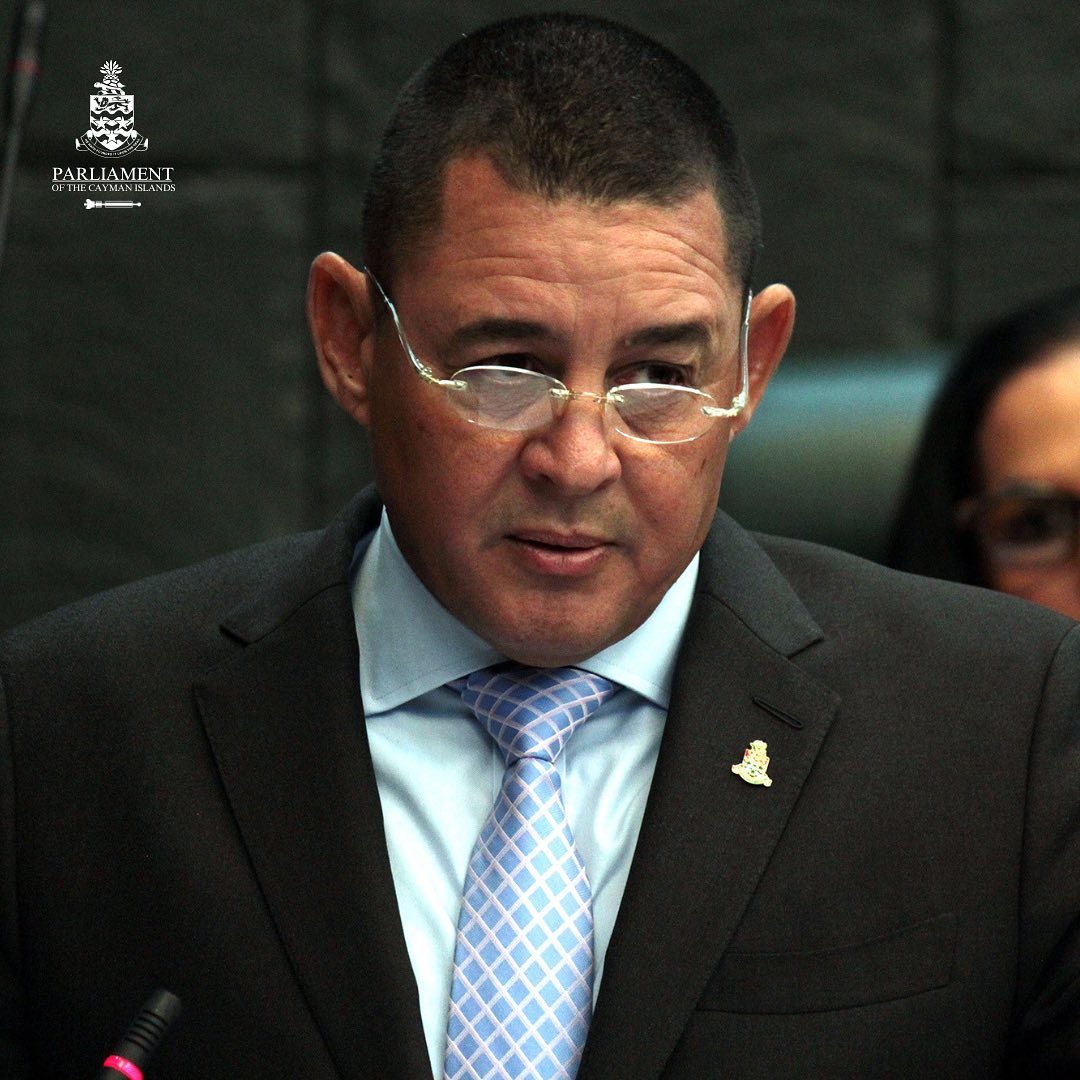
In the wake of the report, McTaggart said he accepted that there had been “deficiencies in the process”.
But he defended the Progressives’ decision-making and urged the auditor to continue to look into the deal.
Both he and Hew have questioned how the cost of the contract had escalated “into billions” and blamed successive governments for not seeing the deal through to conclusion.
No official final cost has been revealed for the deal that was on the table when government abandoned the project last month.
But the numbers quoted in the auditor’s 2021 report suggest it could have already been at the billion-dollar mark around that time if higher levels of inflation and waste increase were contemplated, among other things.
McTaggart insisted the “last three years of mishandling and delay of the project” must also be subject to scrutiny from the Office of the Auditor General.
“That mistake caused the country to lose the cost certainty contained in the agreement signed by the Progressives administration,” he said.
McTaggart and the Progressives indicated last week, and on separate occasions, that the original price tag at the point of signing was $670 million, around $120 million less than the figure given by the auditor.
Asked to explain the discrepancy, McTaggart said $670 million was the last figure the Progressives were told before leaving office regarding the cost over a 25-year period.
McTaggart said he welcomed the auditor general’s December 2021 report being made public.
He defended the Progressives’ handling of the deal and focused instead on the PACT government’s delays post-election.
“As the AG’s report states several times, it was apparent even in December 2021 that the failure of PACT to meet the deadline for financial close created ‘significant risk’ of escalating costs. We too warned of that at the time and events have proven those warnings were correct,” he said.
However, the leaked report highlighted serious concerns with the actual contract signed between the previous Progressives government and a consortium of companies, led by the Dart group, in the run-up to the 2021 elections.
It dismissed the claims of value for money in the project and picked apart the public-private partnership arrangement that was entered into by the Progressives, as well as the escalating costs attached to the project.
‘Erroneous’ belief
McTaggart, responding to the findings, said it is clear that the project’s benefits were “not properly quantified in the paperwork” that was required for the project.
“We accept the AG’s recommendation that such deficiencies in process need to be corrected in future decision-making processes,” he said.
However, he countered the report’s finding that the public-private partnership route selected for the procurement may have unnecessarily increased the cost of the project.
The report found government could have saved $200 million by borrowing the cash to fund the project itself.
“The Progressives-led government saw PPP [public-private partnership] as more attractive from a political standpoint as we had ruled out increasing traditional financing debt as a valid political choice,” he said.
It was always understood in accounting terms, he said, that the PPP would need to be treated as borrowing.
McTaggart, addressing the issues raised in the report, said the benefits of ReGen “were and are clear”.
He said the project would have increased recycling and composting, and delivered a modern waste-to-energy plant.
“In so doing, the country’s landfill requirement would have fallen by about 95%. The George Town landfill could have been capped and remediated with the ongoing need to landfill bottom ash being undertaken in a properly managed way,” he said.
‘Mishandling and delay’
McTaggart said alongside the scrutiny of the auditor general’s report, ministers must answer the questions the opposition posed about the deal being dropped.
He said the answers to those questions should be responded to as a matter of urgency.
Among the questions is the total cost of government’s failure to deliver the ReGen solution, including the costs incurred by the government in terms of “consultancy, legal and financial advice, and the abortive costs that will now be payable to the potential contractor”.
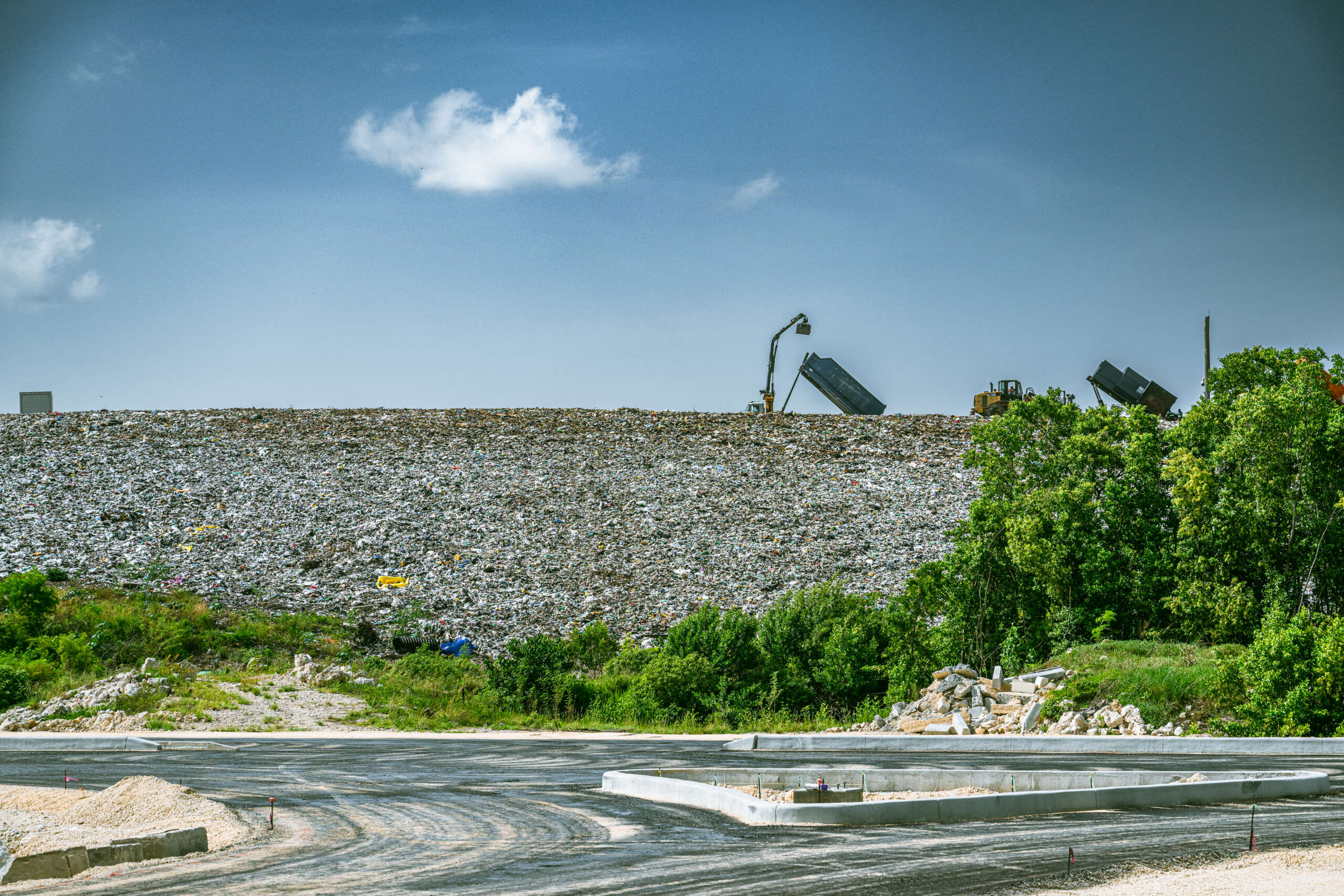
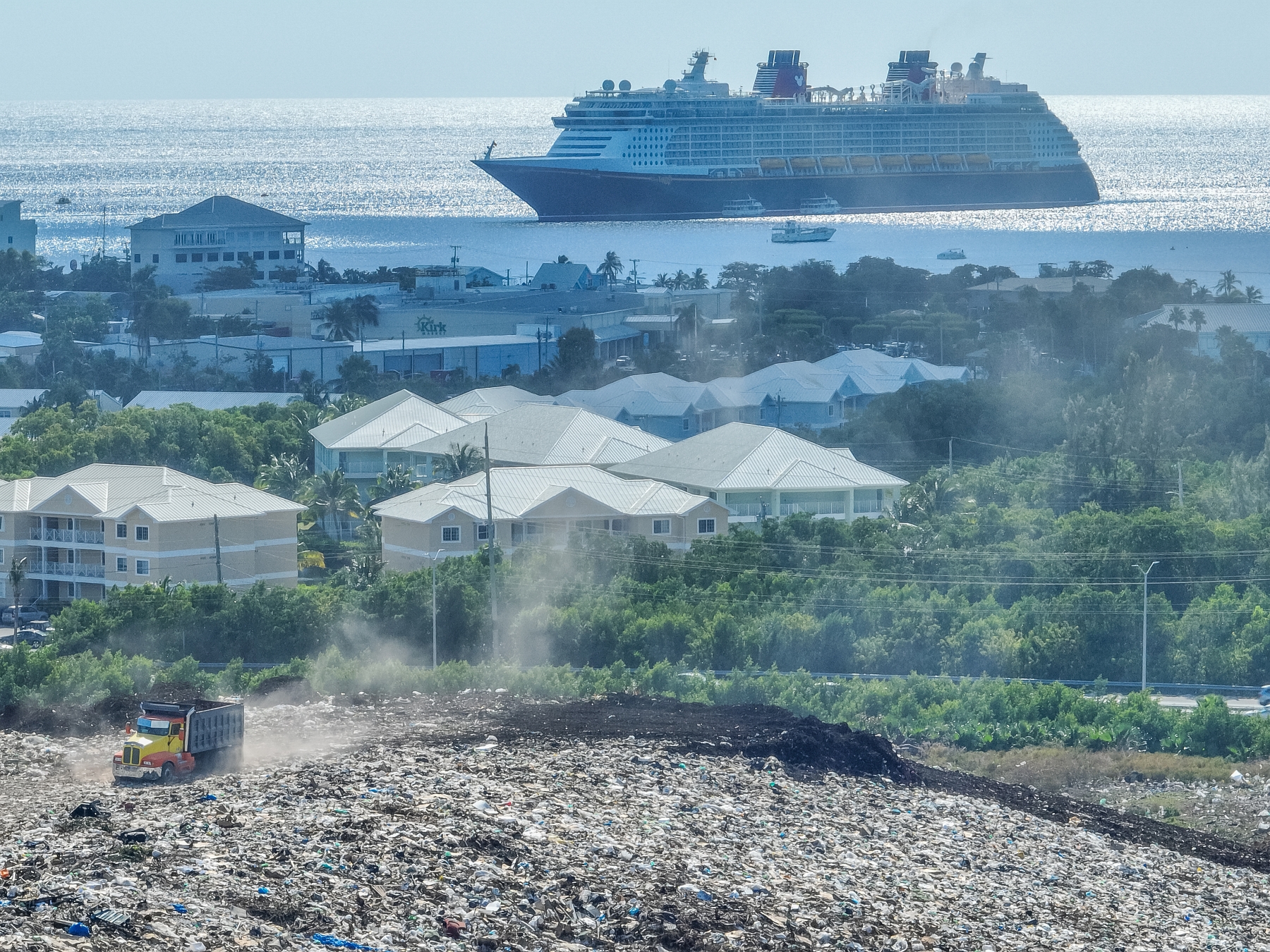
McTaggart said the landfill remains an environmental and fire hazard, and with its capacity nearing exhaustion, “This decision puts our community at immediate and significant risk.”
“While we understand the need for financial prudence, the government’s abrupt cancellation of the ReGen project without presenting a viable alternative is a significant setback for the Cayman Islands,” he added.
McTaggart’s comments echo those made in a video message by Deputy Leader Joey Hew.
Again claiming the cost of the project was $670 million – rather than the $790 described as an underestimate by the auditor general – Hew suggested the decision to pull out of the contract had left Cayman in the lurch. He also questioned how the project costs had risen to an estimated $2 billion, a figure that was put out there by former Finance Minister Chris Saunders.
There has been no independent verification of that figure and it is not clear whether it was a US or Cayman dollar figure cited by Saunders. It is understood, however, that this figure included the annual costs of waste management currently handled by the Department of Environmental Health, which was budgeted at $14.5 million.
The auditor’s report, released to the public after Hew’s video, also highlights inflation and future waste calculations as two variables that could have added hundreds of millions of dollars to the total project costs.
The plan was for the Dart-led consortium to fund the infrastructure and run the waste-to-energy plant, recouping its costs through a ‘unitary fee’ based on the tonnage of waste processed each year.
Hew, in his video, painted the ReGen deal as a good solution that would have replaced the unsightly landfill with modern facilities.
He said the landfill was a “ticking time bomb” and claimed that it would be difficult for government to re-bid the project and find a new private partner.
“After witnessing this fiasco, who would even think of bidding on a new project?” he said.
In her speech announcing the termination of negotiations, Sustainability Minister Katherine Ebanks-Wilks said the project had become too expensive.
She said government could not continue with a deal that would “saddle current and future generations” with “undue financial strain” and “unacceptable levels or risk”.
“We need a solid waste management solution that is financially, environmentally and socially sustainable,” she added.
Ebanks-Wilks said when the former PACT administration took over, there were “dozens of outstanding matters”, including the power-purchase agreement to sell electricity to CUC yet to be finalised.
“It has been presented by some that the project agreement signed in March of 2021 amounted to a fully negotiated contract that simply needed to be taken forward and executed,” she said.
“That is not so, given the dozens of outstanding matters discovered … it is no wonder that these negotiations have taken so long to finalise.”
Editor’s Note: The Cayman Compass is a subsidiary of Dart Media and Entertainment.
Related Videos