Residents of Cayman Brac are calling for their island, and Little Cayman, to be given priority when the government approves area plans that will determine what development can or cannot be carried out in specific locations.
In the smallest turnout so far at a PlanCayman district meeting, only about 15 people showed up to the Cayman Brac meeting on a proposed new national development plan on Monday evening.
However, those who did attend – and others who sent questions via an app – were vocal in calling for better protections for their island.
The existing national development plan, which has been in place and not been updated since 1997, does not apply to either of the Sister Islands – only to Grand Cayman.
Brac residents said, since there is no plan in place to protect their island, it should be a priority for government to ensure a plan is created for them as soon as possible, and before other districts.
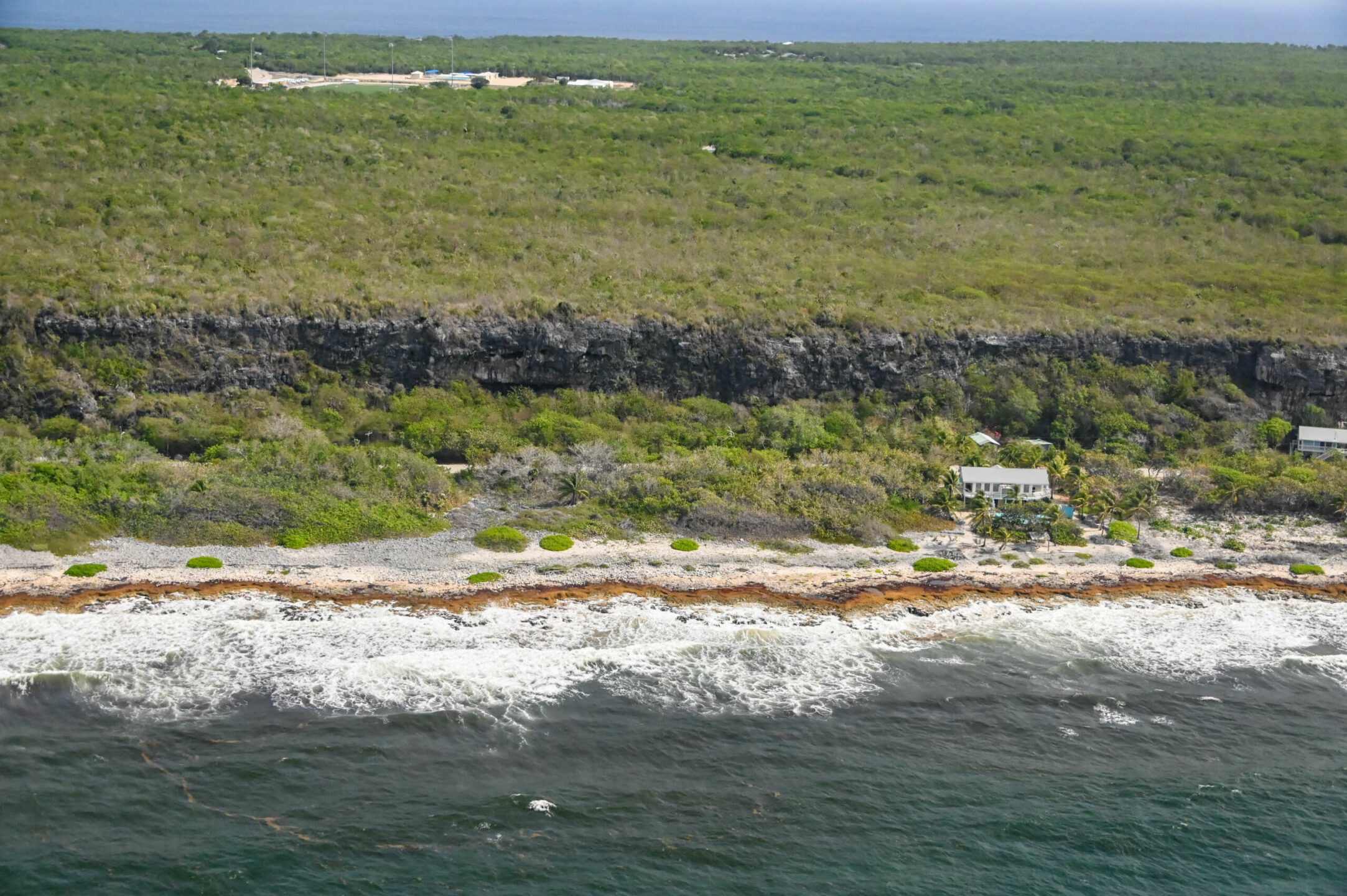
Echoing calls that were made at the PlanCayman meeting on Little Cayman last week, one resident asked, “I’m wondering if you could possibly make the area plans for Cayman Brac and Little Cayman a priority as opposed to the other nine area plans because, at this point, we don’t have anything to go by.”
Richard Mileham, policy and development planning officer at the Department of Planning, said the decision on which of the 11 district area plans would be done first would be made by politicians and he urged residents to approach their elected representatives to press this issue.
“I think it’s a really good point that you don’t have a plan at the moment, so that gives you some kind of pressing requirement,” he told attendees.
Planning Statement first step in long process
The element of PlanCayman that is currently undergoing public consultation is the Planning Statement, which is intended to be a “long-range comprehensive plan to guide physical development and the overall use of land in the Cayman Islands”.
Once that has been completed, the next step involves drawing up area plans and zones – which will also be subject to public consultations, the planning officials said.
Mileham, who presented an overview of PlanCayman to the Brac audience, explained that, based on existing resources, two area plans per year will be done, “so it would take somewhere between five and five-and-a-half years to complete all 11 of the area plans”.
The Planning Statement defines zones and overlays and other general considerations, which would be applied later in an area-by-area basis.
“To create those, we need your input, we need your knowledge, we need your views. You’re the residents, you’re the stakeholders who work and live in these places. And once we have area plans in place, we have a better set of tools for decision-makers to make decisions with teeth on a range of projects,” Mileham said.
Also on the panel at the meeting were Central Planning Authority chairman Ian Pairaudeau and deputy chairman Handel Whittaker, and Captain Ashton Bodden, chairman of the Sister Islands’ Development Control Board. Both those entities consider planning applications for their respective islands.
No development plan exists for Sister Islands
Asked how the plan would address the growth in the number of development projects, Pairaudeau responded, “On the Brac right now, you don’t have a development plan… there’s been very little development here so far, but, you know, the world is changing. You can see that things are going to happen here.”
He added that it was vital that a plan be in place to help guide the Development Control Board on what Brackers want to see developed – or not developed – in certain areas.
The Grand Cayman planning board chairman said developers often “push the limit and try to fit as much as they can on a site, and ask for variances”, and that the Central Planning Authority has been criticised for granting those variances.
“But in some instances,” he said, “because the [national development] plan is so old, you really have to look at it slightly differently and make a discretional decision.”
However, on Cayman Brac, where there is no such plan, the decisions facing the Sister Islands planning board prove more difficult, as there’s no overarching plan to guide it, Pairaudeau said.
“I don’t know how Captain Ashton does it here on Cayman Brac, when you’ve got nothing,” he said. “I mean, he just said to me he hasn’t been shot yet, so he can’t be doing that bad a job, right? But, you know, it must be very difficult for them. At least we have something, they have nothing.”
He added, “So, I would think that if the community can come together and decide this is what we want, that is what it should be, everyone can agree and everyone has an idea of what the future is going to look like.”
Bodden noted that zoning needs to be done correctly on the island. Without a development plan, no official zoning exists on the Brac. He acknowledged that some people were “not fond” of the idea of creating zones, but he said it was important for the future of the island.
Calls for better enforcement
One resident asked if a new plan would mean better enforcement for infractions, such as the unauthorised clearing of land or construction work too close to the edge of the Bluff.
Pandohie replied that one of the “big challenges” facing planning authorities dealing with the Sister Islands is a “lack of clarity and definition of the rules”.
The rules that do exist are effectively “long-standing policies or views, but they’re not actually articulated in regulation, such as the distance from the edge of the Bluff that you can build on”, he said.
Unlike in Grand Cayman, where zoning regulations set out specific setbacks, in the Sister Islands, such decisions are made on a “case-by-case basis”, the planning director noted.
“That’s why it’s so key that, as a community, you define those rules and there’s a common agreement that these are the rules … so, when someone applies for planning permission for a particular use, these are the rules that we expect to be applied,” Pandohie said.
Another attendee who works at the planning office said she had seen a number of “unusual applications” in recent years on Cayman Brac, that had to be dealt with on an ad-hoc basis.
She added that there had been “so many” after-the-fact applications, especially for unauthorised land clearances, “because people want to clear it to see what it looks like, they want to know whether they want to buy it or not”.
She said the Development Control Board dealt with such incidents by adjourning decisions on planning applications for building houses until the after-the-fact fee is paid and an application has been made to carry out the clearing.

Bodden admitted that unauthorised land clearance was “hard to control”, adding that in some instances, construction of homes had begun without planning permission, “and we don’t know until they do it, because they’d hid somewhere in the bushes or something.”
“Things like that are difficult for us to control,” he said.
In response to a question about whether the plan included “specific protections against development, Pandohie said it seemed that members of the public felt they were having “development thrust upon them, and they don’t have a voice or the ability to proactively… respond”.
He reiterated that area plans would give them a “level of assurance” about what could or could not be built in their neighbourhoods.
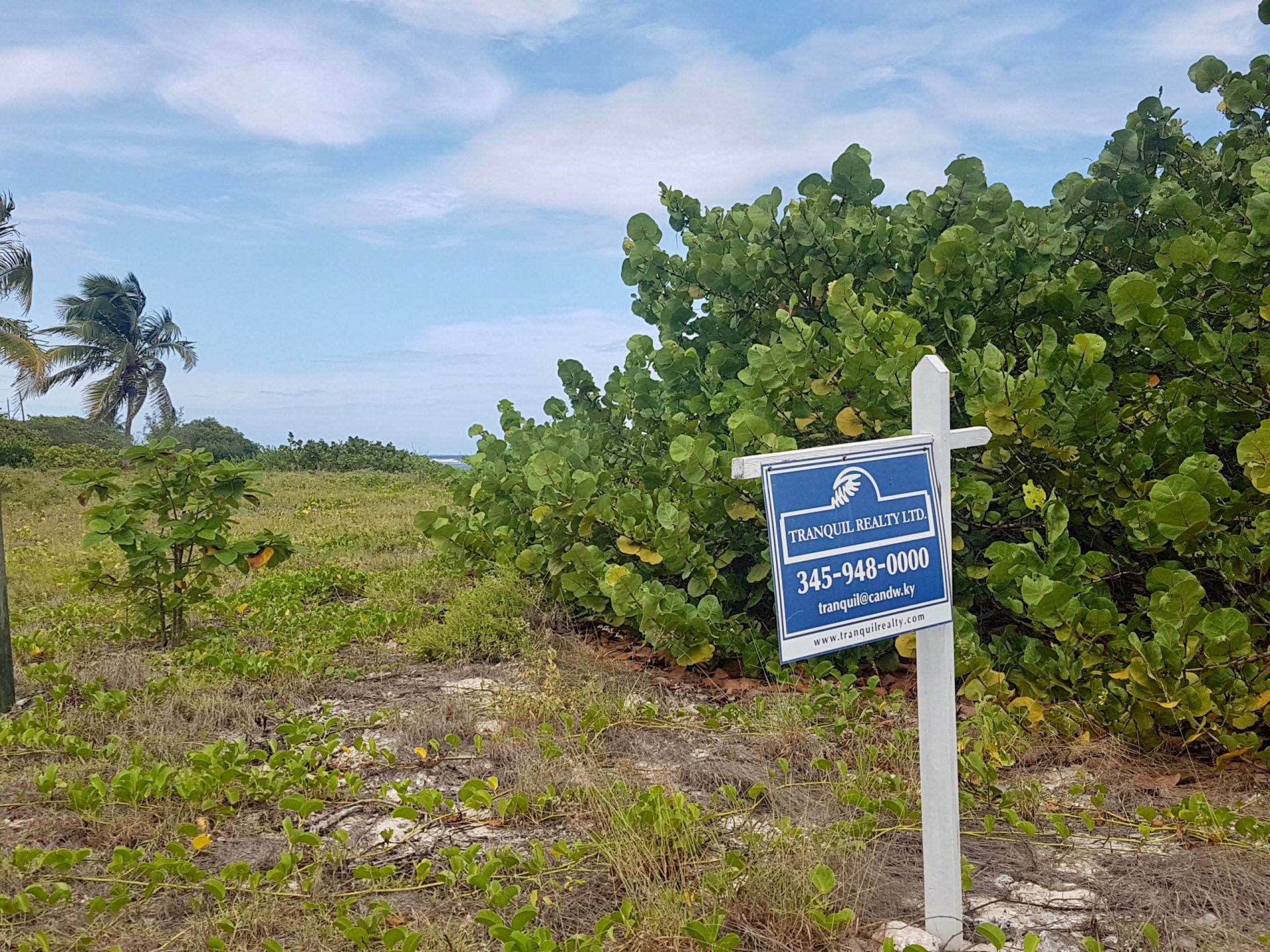
Whittaker noted that, since the COVID-19 pandemic, there had been a large increase in the number of land purchases on both the Brac and Little Cayman, where the once ubiquitous ‘for sale’ signs are no longer seen.
“You all should be really concerned about the amount of development that could possibly occur here within another five years, and that’s why it’s really important for you all to get on board and dictate how you want our community and your island to be like,” he said.
He noted that Little Cayman residents had already “started to put a group of individuals together to study exactly how they want Little Cayman to grow”.
A meeting among Little Cayman residents is planned for the upcoming weekend, Whittaker said, adding that they had already made clear, for example, that they don’t want their airport to be moved or to have buildings higher than three storeys, and they want a limited amount of construction.
“I must say the residents of Little Cayman are very proactive and they are on the ball, and we are hoping you all will do the same,” Whittaker said.
Upcoming PlanCayman meetings
Future PlanCayman meetings will be held at the following venues and times:
Savannah: Savannah United Church
Date: Thursday, 25 July
Time: 7-9pm
North Side: North Side Civic Centre
Date: Monday, 29 July
Time: 7-9pm
Feedback on the Planning Statement can be submitted up until 6 Aug. To access the feedback form, visit the PlanCayman site.
Related Videos