It’s not an easy path for Caymanians recovering from drug or alcohol abuse.
Fears of relapsing, difficulties finding steady employment, and stigmatisation, often hamper the return to a meaningful, independent and productive life.
But at Beacon Farms, the whole community can support people striving to rebuild their lives, showing that ‘love local’ can have multiple benefits.
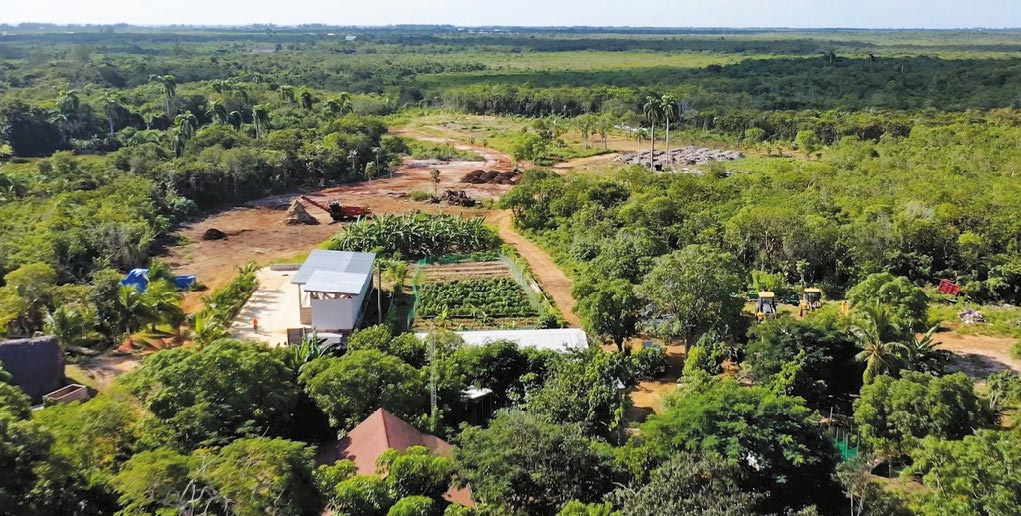
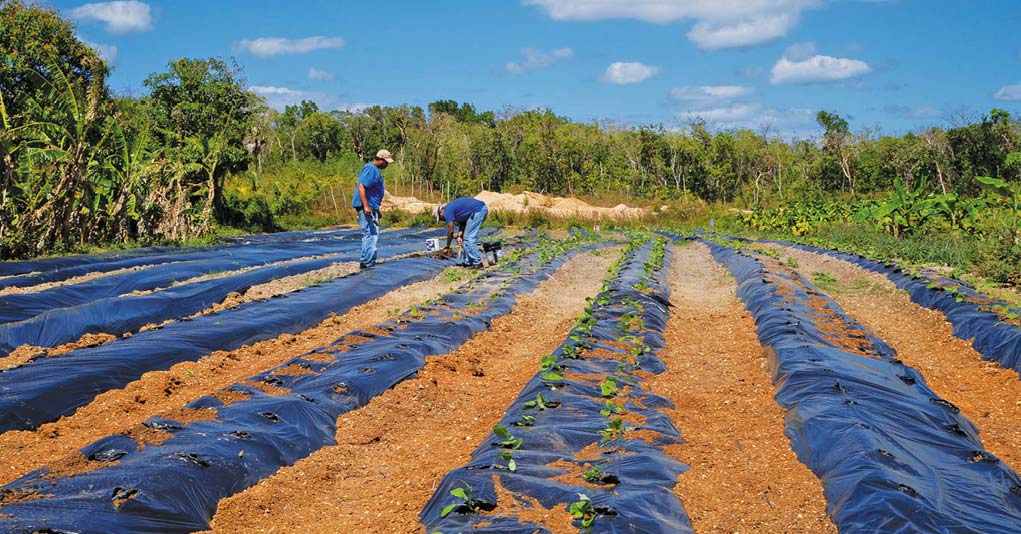
The compassionate enterprise began in 2017, when the Haugh Foundation purchased 34 acres in North Side and established the Beacon of Hope Foundation to run Beacon Farms as a non-profit farm that trains and employs Caymanians in recovery, equipping them with salaries and new skills.
FLOURISHING
Now, the farm – and the people on the recovery programme – are flourishing, while island residents can purchase fresh produce sold in the recently reopened farm shop, and at Camana Bay farmers market every Wednesday from October to May.
Fruit and vegetables are also supplied to local stores and restaurants.
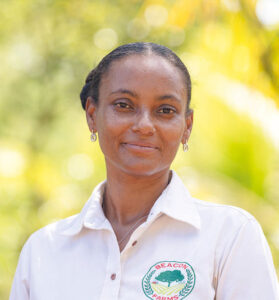
“Buying from Beacon Farms not only means getting fresh, locally grown vegetables and fruits, it helps to support our charity,” says Beacon Farms administration manager Sasha Appleby.
“(This) means keeping the people in recovery employed and on the right path towards becoming contributing members of society, and reuniting families.”
In fact, the farm is doing so well that crop production has doubled this year, bringing the organisation a step closer to financial self-sufficiency.
Currently the farm is funded through donations, grants, and charity events, in addition to the products and services it offers, but the increase in crop production makes a huge difference to operations and helping the people who need it most.
MEANINGFUL EMPLOYMENT
The Big House at Beacon Farms has six rooms and a communal kitchen and living room, where programme participants can live in safety and comfort, using their wages to rent rooms at a reasonable rate.
A commitment to honest work, managing personal finances, and abiding by house rules, restores dignity to the lives of the residents.
“When people in recovery have meaningful employment, they can begin to rebuild their self-respect, begin to repair relationships with family and friends, and learn how to function in a work environment,” says Sasha.
“Each individual working at Beacon Farms means one less person who may be a burden on the community, or who may turn to criminal behaviour in order to support themselves.
“We need to take care of those who need a helping hand as it is in the best interest of all of us living together on Cayman.”
COMPOST PRODUCTION
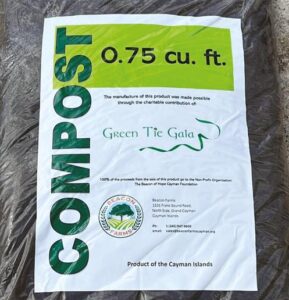
Beacon Farms is also ramping up compost production, which will soon be for sale in greater quantities through local plant nurseries and home improvement stores, as well as directly from the onsite composting facility.
For more than a year, the charity has been contributing to the circular economy through a partnership with Island Waste Carriers (IWC), which collects kitchen waste from customers and delivers it to the farm.
“The Ritz-Carlton, Grand Cayman is a founding customer along with Foster’s supermarkets,” says Sasha.
“Going forward, IWC and Beacon Farms intend to carefully expand the project to include other major green-waste suppliers.”
AGRICULTURAL LITERACY
At the same time as supporting Caymanians in recovery, Beacon Farms has been working to advance agricultural literacy in the Cayman Islands.
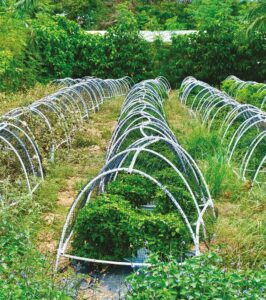
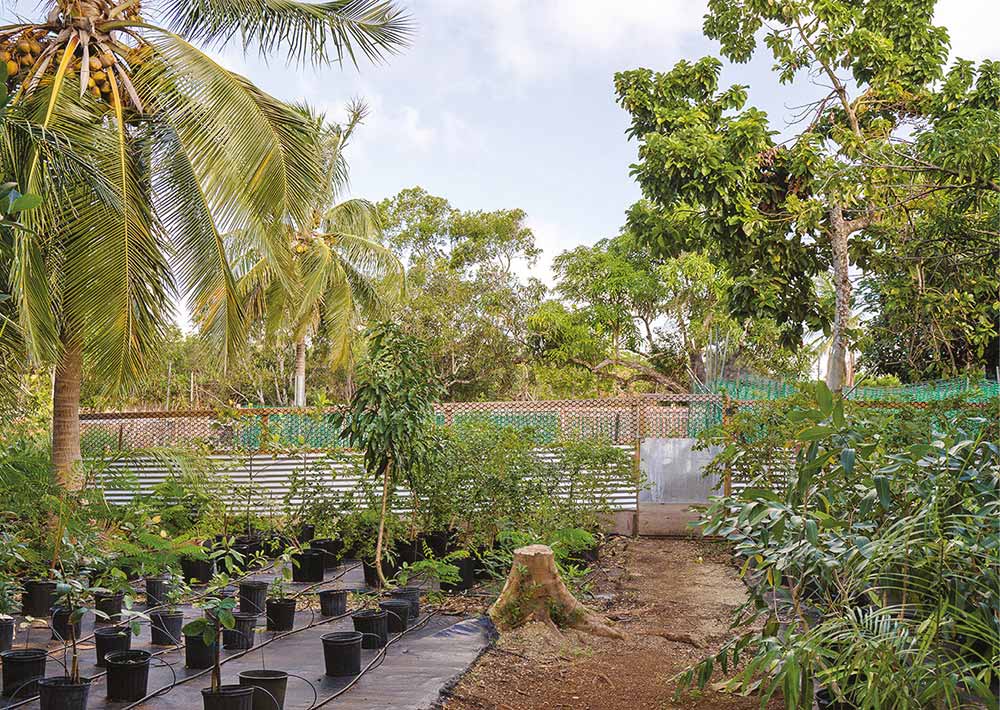
The workers grow a wide variety of crops, from mango and breadfruit to callaloo, tomatoes and Scotch bonnet peppers.
They also trial new crops in their research-and-development garden, from starchy staples like beets and corn to tobacco for premium cigars.
This approach to farming combines traditional techniques with new technologies and advanced machinery, allowing them to improve soil and growing methods.
FARM TOURS
To share this knowledge and showcase the work of Beacon Farms, tours are offered around the property.
 “They (the public) will see how we have converted rock into farmland, which can now be farmed mechanically; they will see established tropical fruit trees and will experience the peacefulness of the property, as we have kept native woodland and only used what land we need,” says Sasha.
Part of the tour showcases the ways in which raw ingredients are turned into processed goods, whereby preserving excess produce and making useful products.
“Beacon Farms is an example of modernised farming in Cayman,” says Sasha.
“We are also an example of what people in recovery are capable of, and how we are assisting them in re-entering the community and finding work. It shows that these people are still productive and meaningful members of society.”
FARM SHOP
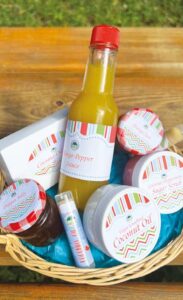
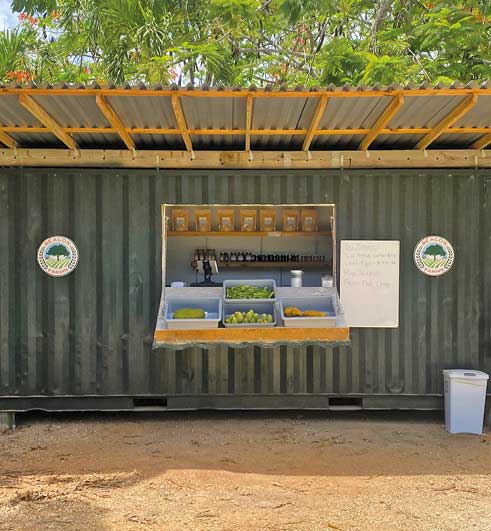 The shop sells vegetables and fruit harvested on the farms. It also stocks processed goods made from farm produce, such as coconut oil, various hot sauces, jams and jellies, soaps and other cosmetics made with coconut oil.
Opening hours are Monday to Friday from 8am-5pm.
HOW TO HELP
To book a farm tour, or for further information on how to help Beacon Farms, visit beaconfarmscayman.org.
This article originally appeared in the 2025 Love Local newspaper supplement.
Related Videos