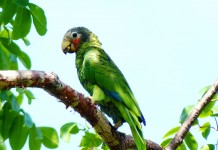
In March of 2024, the Cayman Islands Coast Guard came across a canoe with two persons onboard that they suspected were involved in criminal activity.
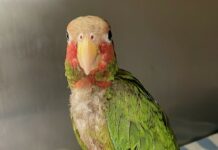
Their suspicions proved to be correct; when officers boarded the vessel, they found over 400 pounds of ganja along with a cage holding two exotic birds. The vessel, its contents and the birds were handed over to the police.
Garth Nelson Forrest, 59, and Richard Lewis Atkinson, 38, both of Jamaica were subsequently arrested on charges of importing ganja, importation of exotic birds and other immigration related offences.

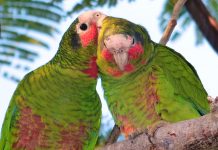
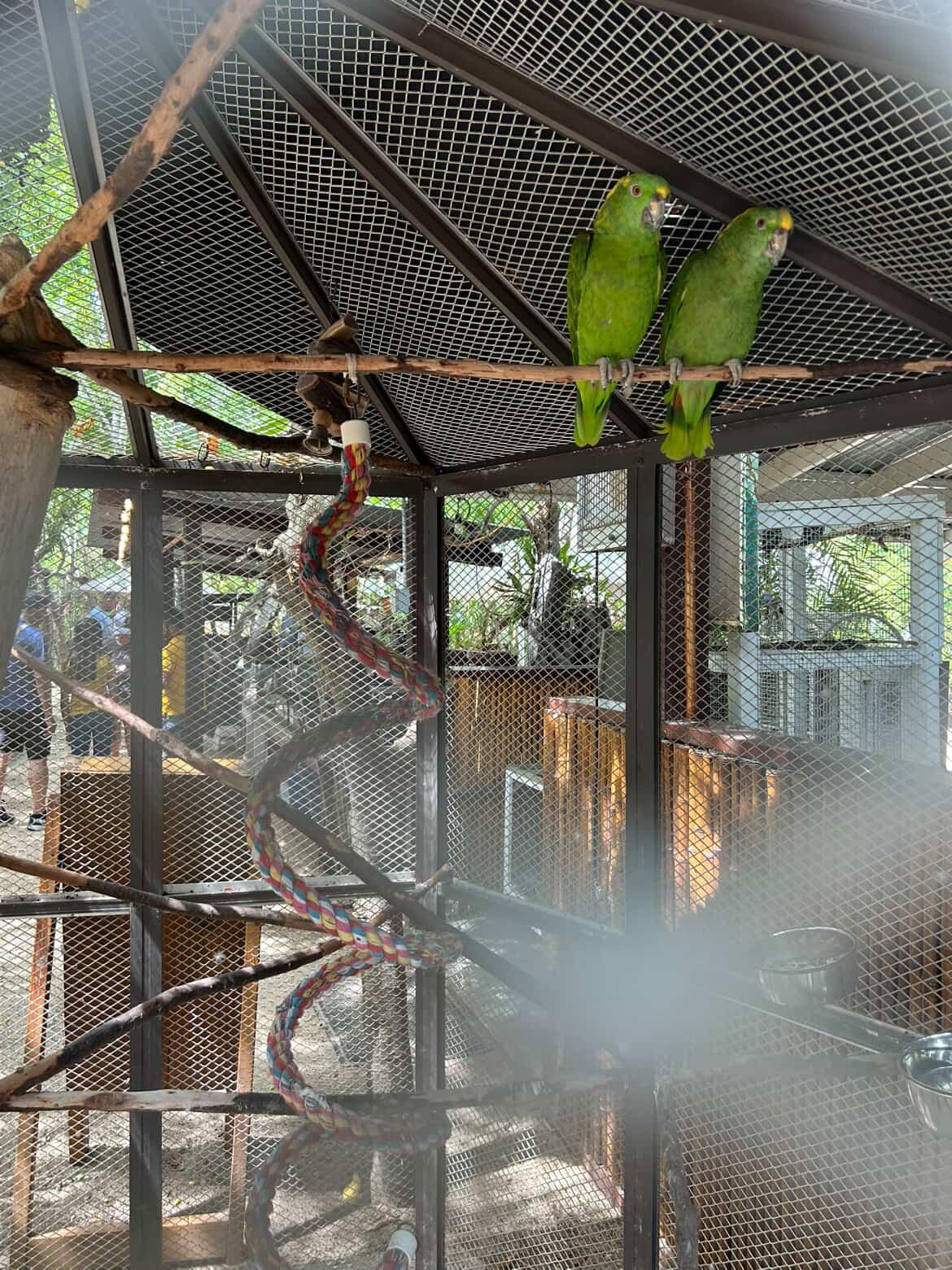
Since then, they have been formally charged, brought before the court, and convictions have been made. The parrots turned out to be critically endangered yellow-naped amazons and they also remain in custody, but not at Northward prison.
Following the interception of the drug canoe, the RCIPS contacted the Department of Agriculture regarding the animals, and they retrieved them immediately and placed them in quarantine.
Wildlife smuggling operation
As a species listed on the Convention on International Trade in Endangered Species of Wild Fauna and Flora (CITES), these parrots were being illegally traded.
Yellow-naped parrots are highly sought after for their talking ability and playful personalities. According to the Birdweather website, “This type of parrot readily mimics sounds and in captivity, this includes human speech.”
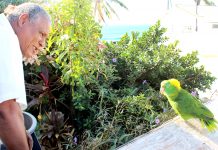
The Ministry of Health, Environment and Sustainability informed the Compass that, “As there was no way to determine where the parrots had come from in order to return them to their home country (which is the first option under CITES in these situations), the Ministry, Department of Agriculture and Department of Environment all worked together to ensure these birds were handled in accordance with the convention and the Cayman Parrot Sanctuary in East End, Grand Cayman stepped in to provide them with a safe, secure home.”
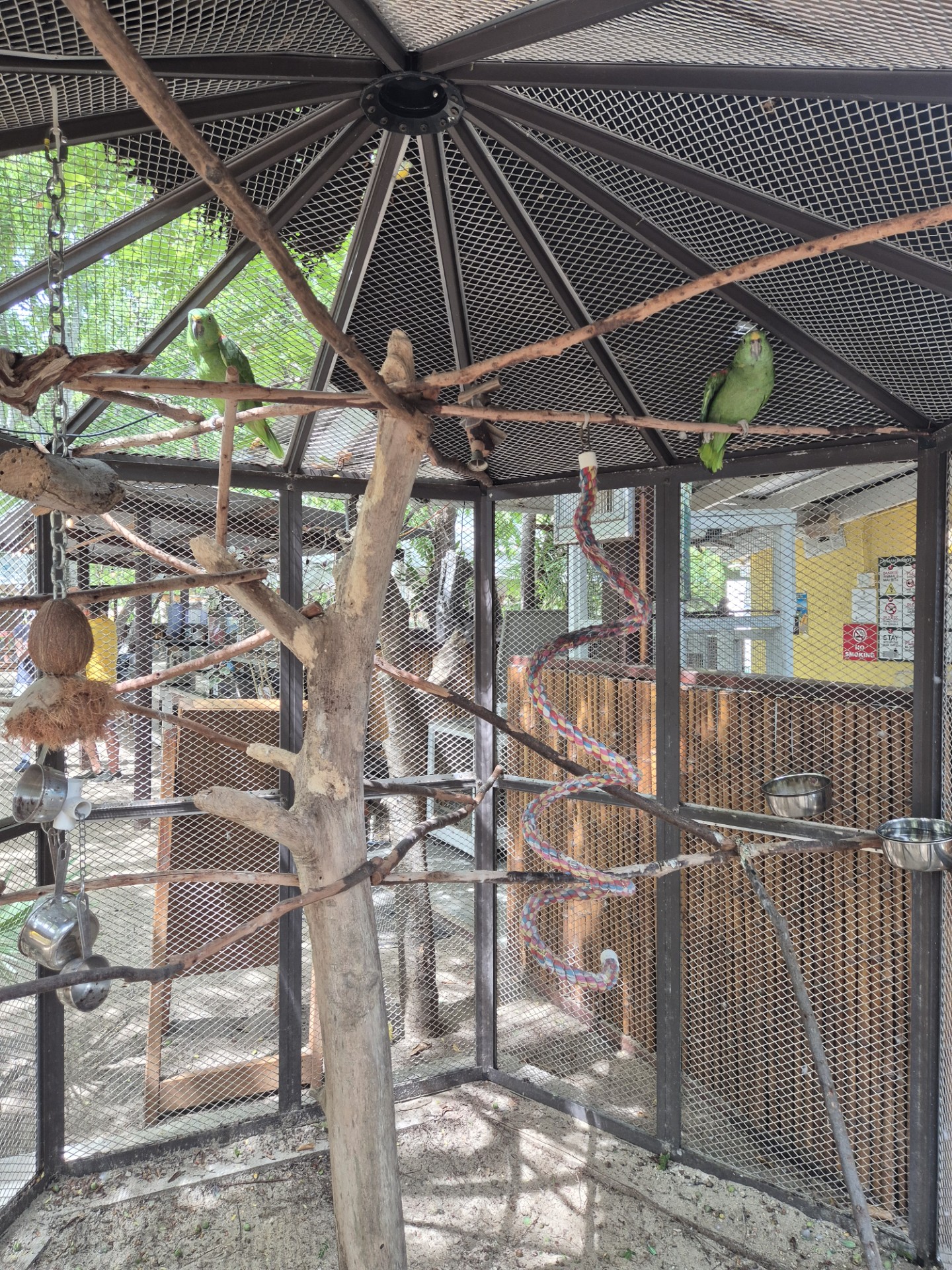
The parrots – now named Bob and Marley – are housed together in a large enclosure at the Sanctuary, where they help educate the public and visitors about the harms caused by illegal wildlife trading.
The website Flora and Fauna says, “Despite their name, these parrots are found not in the Amazon, but in Central America. Their range extends from southern Mexico to northern Costa Rica, but yellow-naped amazons are now extremely rare in Mexico, Guatemala and Honduras.”
“The island of Ometepe – a wildlife haven in the middle of Nicaragua’s largest freshwater lake – harbours an estimated 1,800-2,000 yellow-naped amazons. This represents the largest remaining population, not just in Nicaragua, but throughout the entire range of this threatened parrot.”
The website adds that, “The yellow-naped amazon population has plummeted by more than 92% in the last three generations. Even in the parrot’s main strongholds, numbers are thought to have halved in the past decade. The entire global population is now estimated to be around 2,500 birds.”
According to Birdlife.org the reason why the yellow-naped amazon was added to the CITES red list is because “the species is undergoing an extremely rapid population decline, which is primarily caused by exceptionally high levels of trapping for the cagebird trade and by habitat loss.”
According to the 2024 World Wildlife Crime Report, wildlife trafficking remains a major, global issue. Seizures between 2015–2021 involve 162 countries and approximately 4,000 species of plants and animals.
Related Videos