

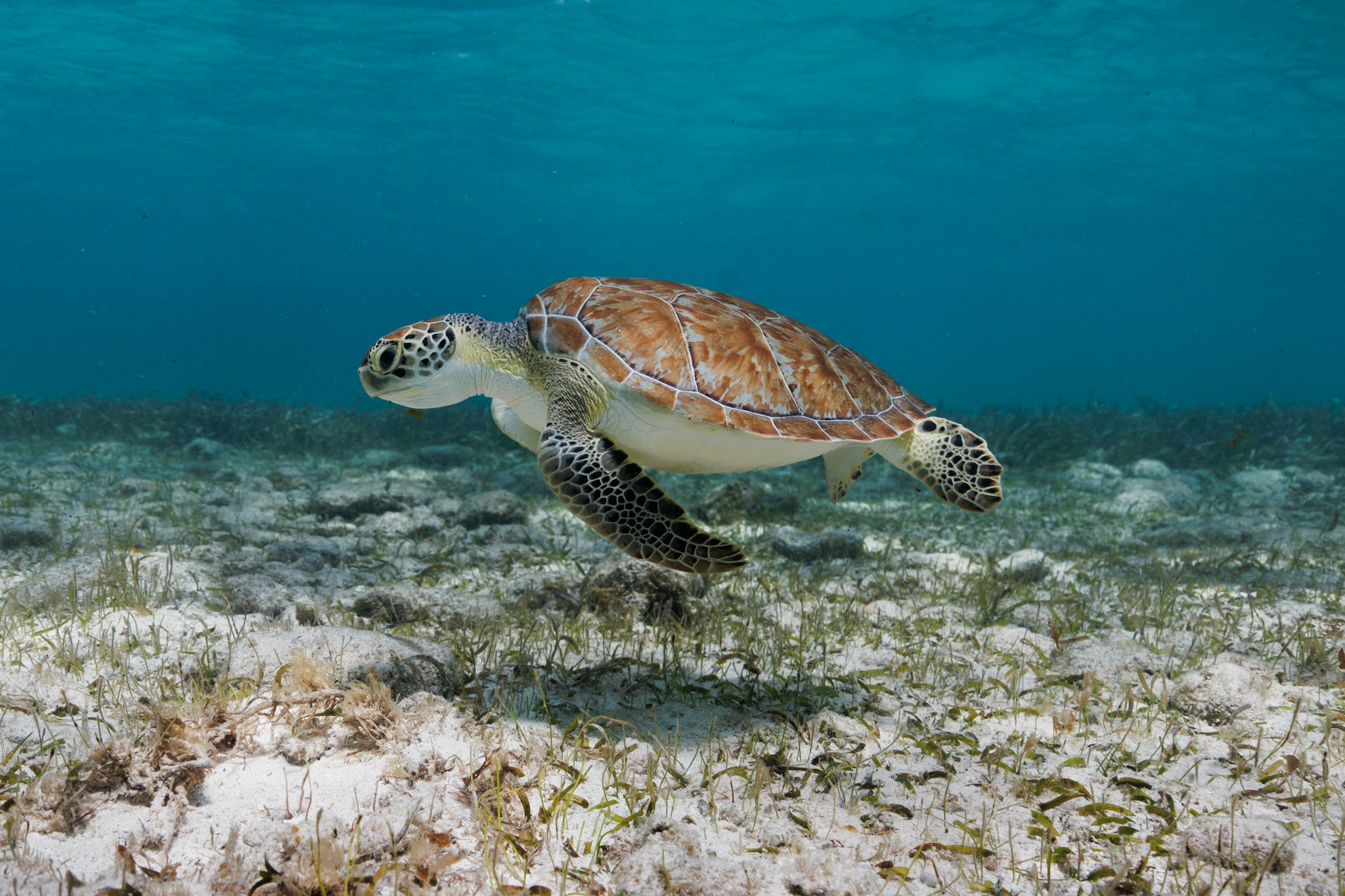
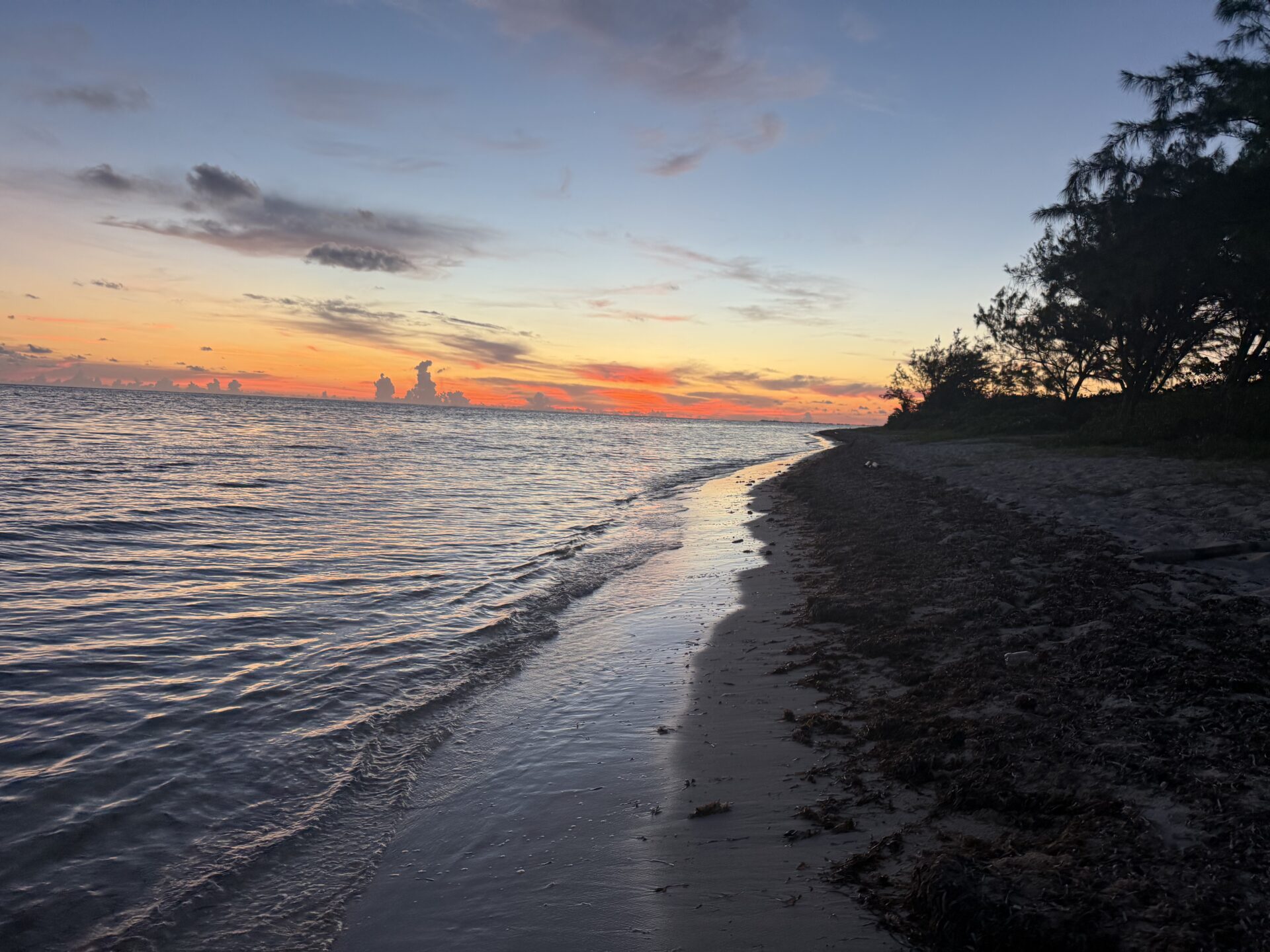
Just after dawn, before the beaches fill with tourists, volunteers fan out across Cayman’s shoreline. Each morning, they walk mile after mile, scanning the soft sand for the distinctive tyre-track pattern left by a nesting turtle known locally as the batabano.
Every nest they find is carefully logged – data that allows experts at the Cayman Islands Department of Environment to protect the eggs and give hatchlings their best possible chance of survival.
The same quiet work is repeated day after day on coastlines around the world, from Mauritius to Brazil.
Those collective efforts are paying off, with global data now demonstrating the species has officially come back from the brink of extinction.
When Cayman’s turtle monitoring programme began in the 1990s, annual nest counts were fewer than 50 for all species. Last year, there were more than 1,000 – a remarkable local recovery that mirrors a global trend.
Cayman Islands nest counts 2025

Green turtle nests: 499

Loggerhead turtle nests: 434

Hawksbill turtle nests: 10
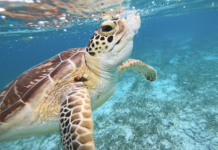
In November, the International Union for Conservation of Nature (IUCN) announced that the green sea turtle had been downgraded on its Red List from ‘Endangered’ to ‘Least Concern’, following a review of decades of nesting data and population trends worldwide.
Once hunted extensively for turtle soup and, in Cayman, for meat, green turtles were fished close to extinction across much of their range. Scientists now see their recovery as a rare example of what sustained conservation can achieve at a time when most environmental news points in the opposite direction.
“Sea turtles are iconic and charismatic species they inspire people,” said Brendan Godley, professor of conservation science at the University of Exeter, who has worked on turtle research projects around the world, including in the Cayman Islands, for more than three decades.
“Hundreds of thousands of people have been working for decades to try and look after these creatures, and undoubtedly it has had an impact,” he told the BBC.
On the frontlines of global fightback
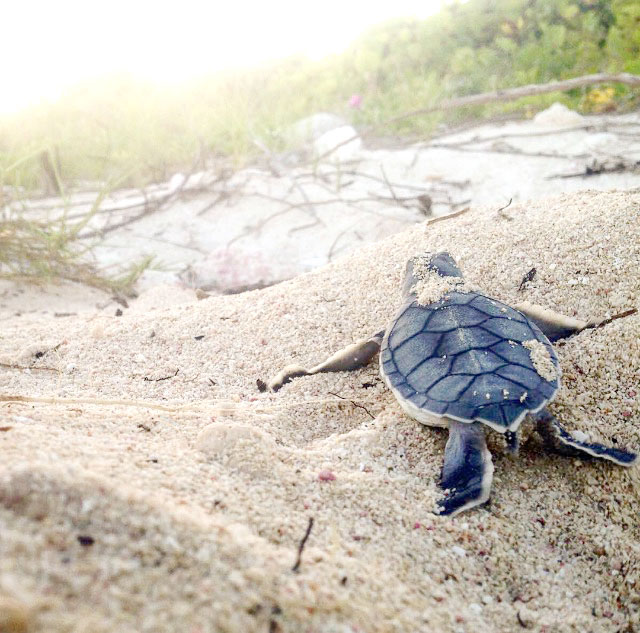
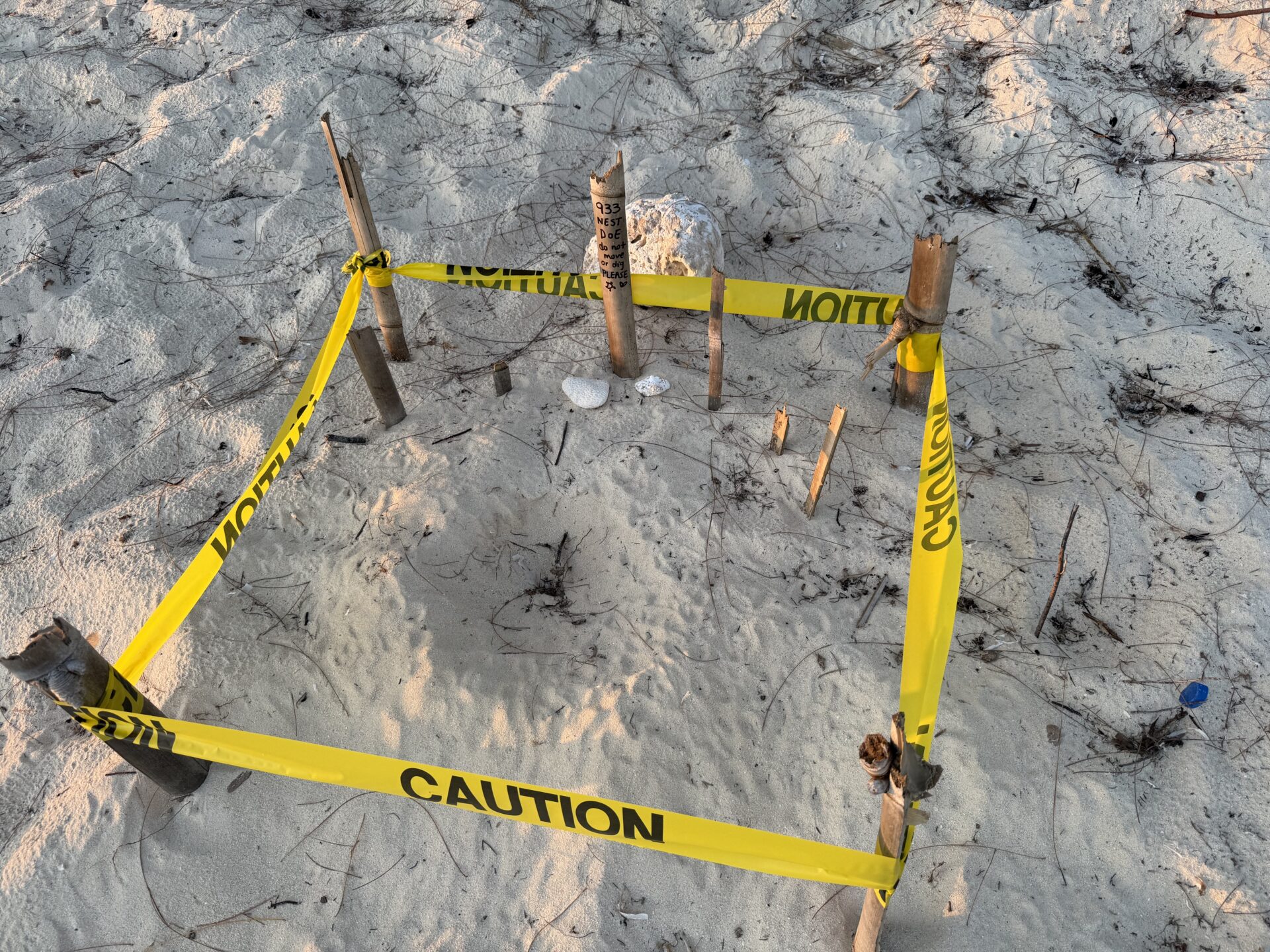
In Cayman, volunteers patrol beaches throughout the nesting season from May to October, marking nest locations so they can be monitored and protected. If a nest is laid too close to the tide line or near development, eggs may be carefully relocated and incubated before hatchlings are released into the sea.
The odds remain long. Only around one in 1,000 hatchlings survives to adulthood. Those that do may drift for years on floating beds of sargassum, travelling thousands of miles before eventually returning decades later to nest on the same beaches where they were born.

Jane Hardwick, a research officer with the Department of Environment, said the IUCN’s decision was based on long-term population trends from across the globe, including data collected in the Cayman Islands.
“These increases clearly demonstrate that meaningful conservation efforts, such as those implemented in the Cayman Islands over the last three decades, do result in positive outcomes,” she said.
“While we celebrate this news, we must recognise that in the Cayman Islands, although green sea turtles are increasing, the nesting population remains small and represents only a fraction of historical numbers.”
Green turtles were virtually wiped out in Cayman by the end of the 19th century due to subsistence fishing and exploitation from visiting seafarers.
Their recovery has been aided by strict legal protections, the long-running beach monitoring programme and, in part, the release of hatchlings from the Cayman Turtle Centre, according to a Darwin Initiative study.
It is now illegal to fish for sea turtles in the Cayman Islands, with the Turtle Centre intended to meet local demand for turtle meat using farmed animals.
Poaching, however, remains a threat.
“Turtles continue to face pressure from both human and environmental impacts,” Hardwick said. “As such, local populations are still considered vulnerable, and continued conservation efforts are critical to ensuring long-term population stability.”
While green turtles are recovering, other species remain at risk. Hawksbill turtles, also found in Cayman waters, are still listed as Critically Endangered globally.
Sea turtles on the IUCN Red List
Kemp’s ridley – Critically Endangered
Hawksbill – Critically Endangered
Leatherback – Vulnerable globally (some populations Endangered)
Loggerhead – Vulnerable globally
Olive ridley – Vulnerable globally
Green turtle – Least Concern globally, though many regional populations remain threatened
Related Videos







Congrats to Mariculture/Cayman Turtle Farm/Cayman Wildlife Encounter for their 60 years of work to this end.