Long before tourism or offshore finance, Cayman’s wealth was measured in coils of rope and the strength of the hands that made them.
Marcieann Hydes can still recall her grandmother Edwina Ebanks swinging her legs on her porch in West Bay and plaiting the fronds of the silver thatch palm.
“One day I asked grandma if she would give me some of the fronds.” She said to me, “Yes I will give you some of these strings, but you have to make something with them, because you don’t waste anything, not even time.”
For more than a century the endemic silver thatch palm (Coccothrinax proctorii) which is found nowhere else, was the quiet engine of island life. Its leaves roofed houses, its fibres bound sails, its rope was shipped to Jamaica and beyond.
History of the silver thatch
The use of the thatch from Cayman’s national tree, the silver thatch palm likely dates back to the time of the first settlers. It has always been a means of survival in the Cayman Islands.
From the earliest times, the silver thatch was used to roof houses, it was made into fishing lines and bags to carry ground provisions. It also was used to make hats that provided shade from the sun and back in the days of ‘wompas,’ where the soles of the shoes were made out of car tires, it even tied your shoe.
Through the middle decades of the 20th century, silver-thatch rope was the Islands’ lifeline. While Caymanian men shipped out with National Bulk Carriers and other fleets, the women stayed home and turned the silver thatch into income – twisting, plaiting and coiling miles of rope that would find its way to Jamaica.
Each household was a small factory of faith and rhythm. The men’s pay from the ships went toward lumber, zinc and cement; the women’s rope money bought food, clothes and schoolbooks. Between them, they built a nation from the shoreline up. The houses were modest – one or two rooms at first – but strong, raised board by board until, within a few short years, they stood proud against the weather.
“It was one of our main exports before tourism,” recalls Rose May Ebanks, who still works with the silver thatch. “The men went to sea and the women made the rope.”
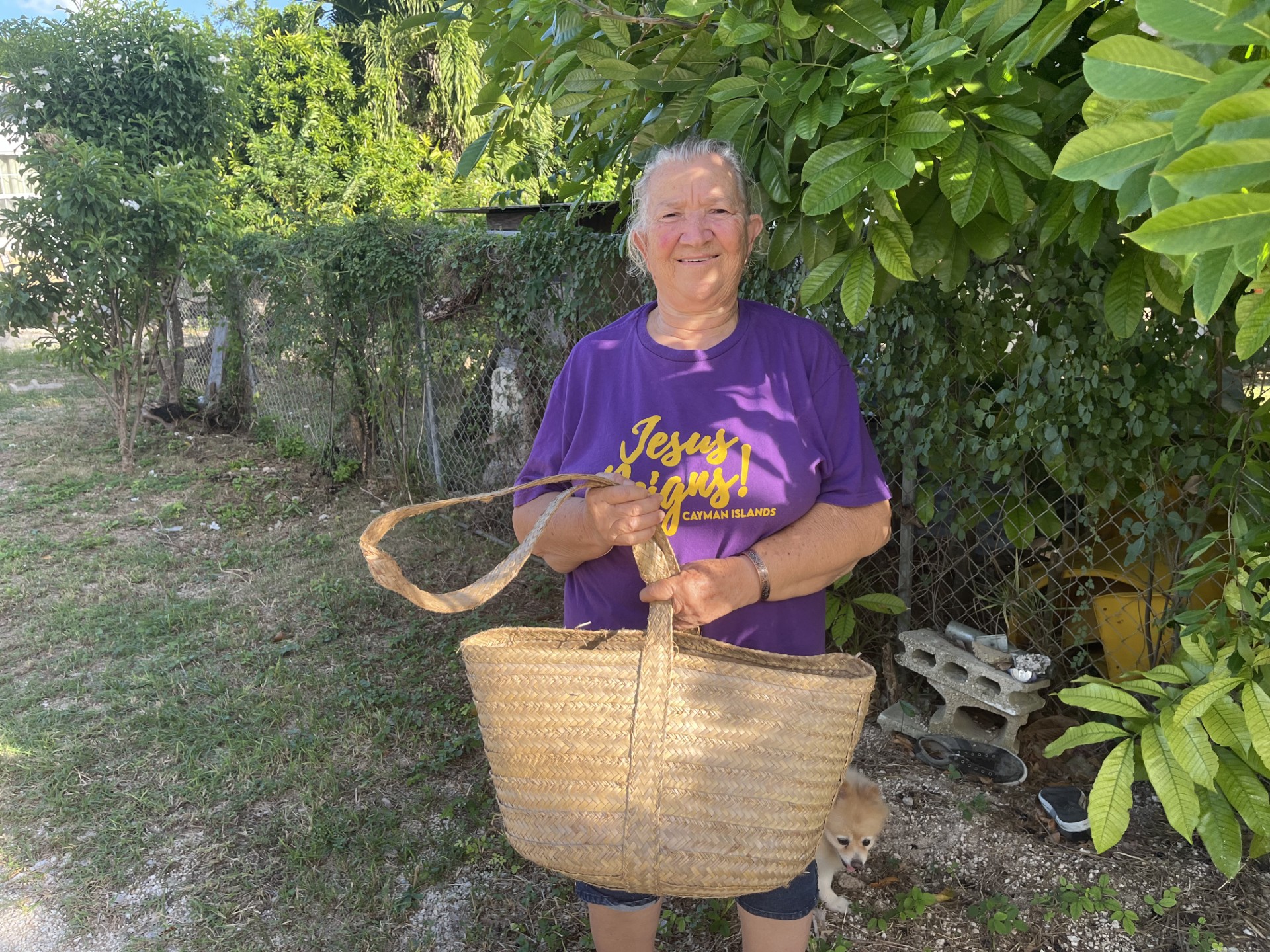
They used to cut the central shoots of the silver thatch tree, known as ‘tops’ on the full moon, in the belief that that the trees held less sap and that the shoots would produce a stronger rope from the thatch. The fronds were cut carefully, so the trees continue to thrive. The silver thatch palm grows wild from bare limestone, its roots grip rock where almost nothing else will hold.
Silver thatch helped boost economy
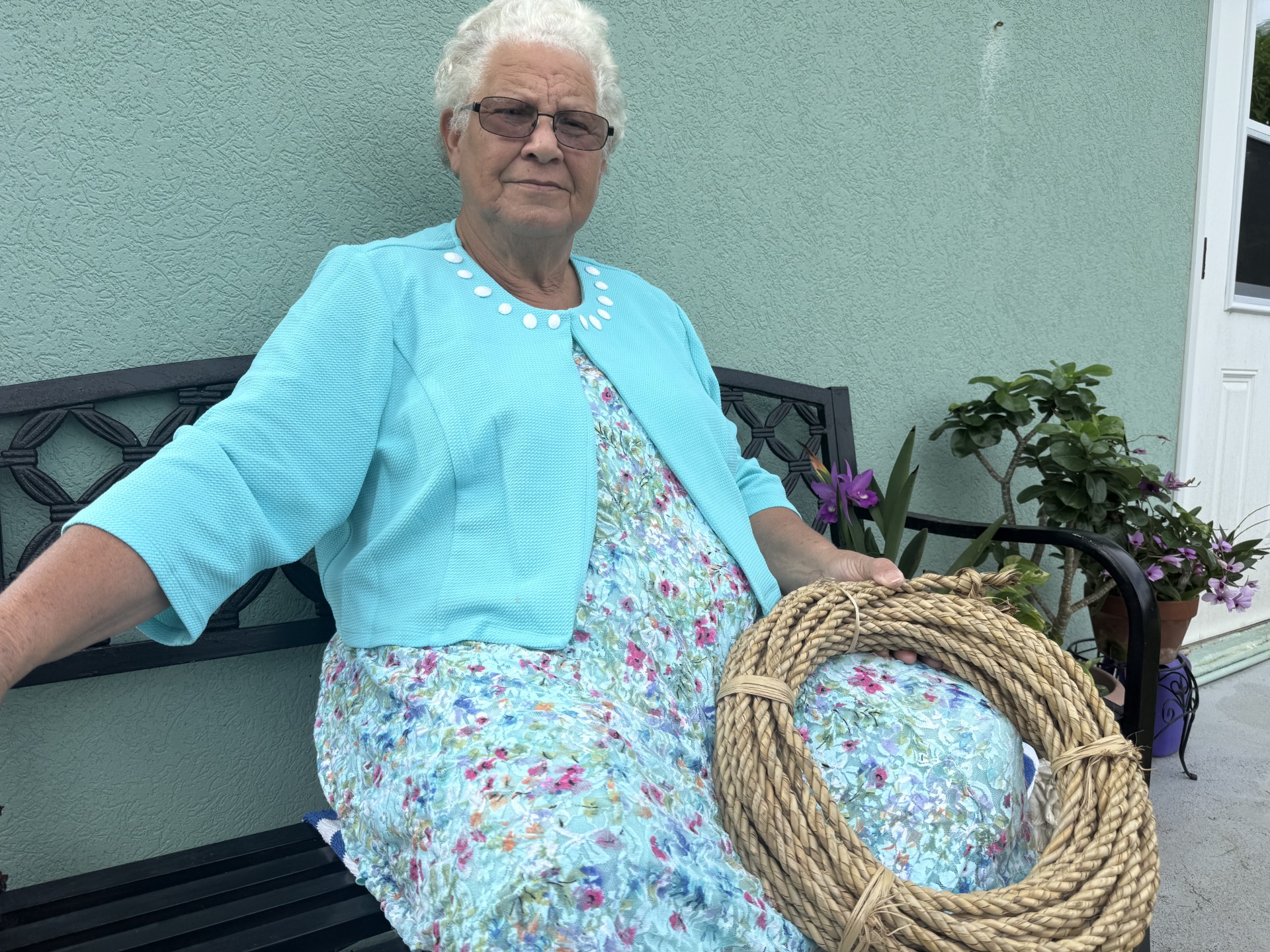
For many years, it was Cayman’s main domestic economy – the heartbeat beneath turtling and seafaring. Once tops were cut the Caymanian women stripped the veins and twisted the fronds into rope strong enough to hold a large ship at anchor.
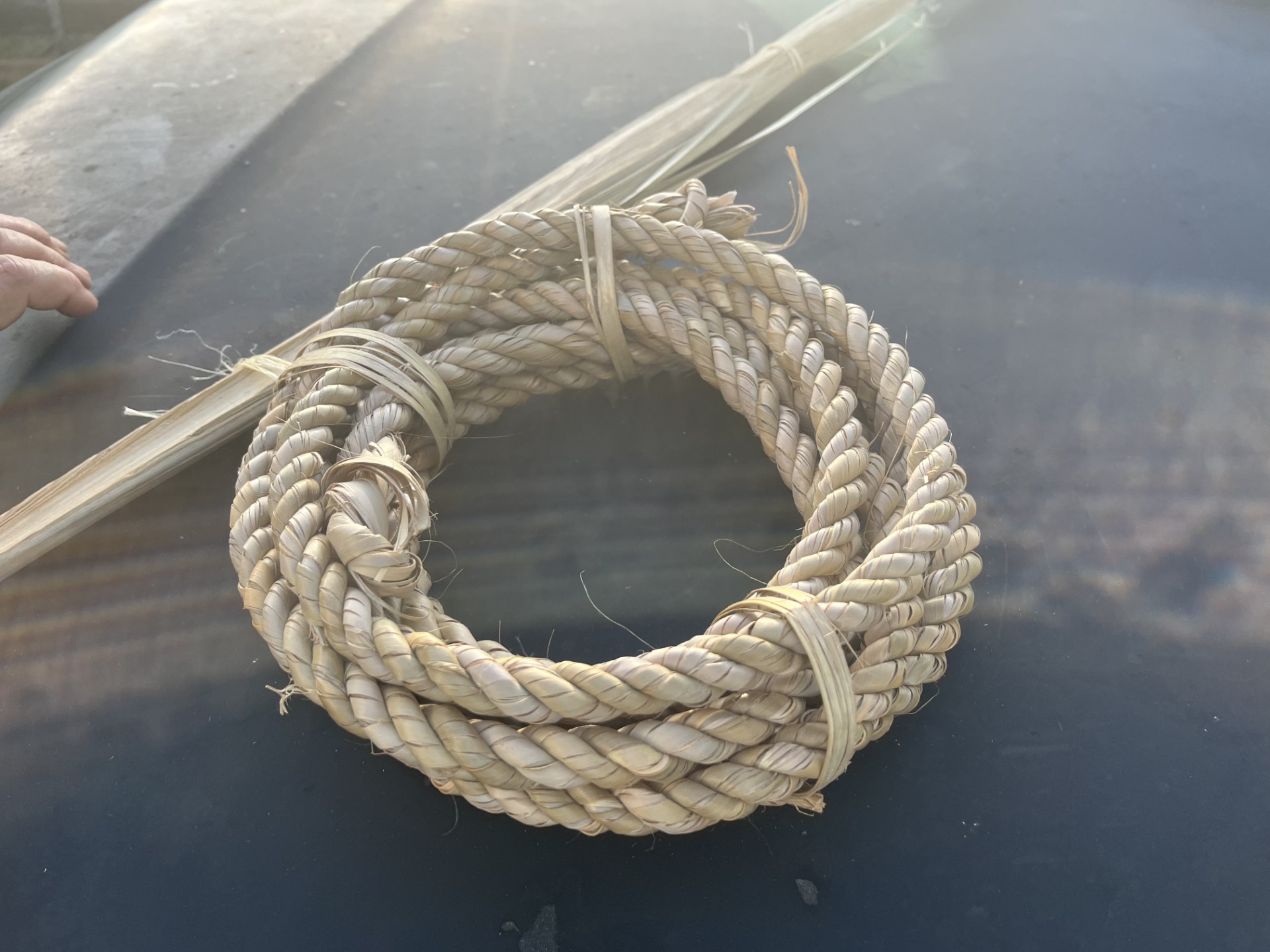
“My father sailed on the schooner, the Adams, with Captain Allie and the money he earned built our house,” explained Miss Marcieann. “He was a ranger catching turtles in the Mosquito Cays off Nicaragua, but when I was young, my grandmother’s rope helped feed us. When I smell that dry thatch even now, I think of her hands.”
The rope was made of three strands, which were then twisted on an ingenious device called a rope cart. Each coil of rope was 25 fathoms in length and this strong and pliable rope was able to withstand years of use, even in salt water.
The rope’s journey linked Cayman’s thatch workers to Kingston’s harbour. Bales were packed aboard Cayman schooners bound for Jamaica, where Cayman rope – famed for its salt resistance – secured boats, bundles and beasts. In return came a little money, some fabric, kerosene and sometimes the precious mail from men abroad.
Industry collapse
By the mid-1960s, though, the market began to slip. Nylon and other synthetics arrived –cheaper, stronger and quicker to make.
An article in May 1973 Nor’Wester magazine showed that the trade in Cayman rope reached its height in 1964 when a 1.3 million fathoms of rope were sold, bringing in a total of 15,740 pounds.
By 1969 the figure had dropped to 127,450 fathoms valued at 1,851 pounds and in the following year, none was recorded. The industry collapsed almost overnight.
When Jamaica finally announced it would no longer buy Cayman rope, it was as if an economic lifeline that tied Cayman to the wider world had just snapped. Families who relied on that steady trickle of cash faced the prospect of financial uncertainty.
“It was a shock,” remembers Miss Marcieann. “People didn’t know how they’d manage. That rope money bought food and shoes. But then Jamaica, maybe feeling a little sorry for us, seconded Miss Edna.”
A gift of knowledge
Edna Harrison, a skilled instructor in domestic crafts, arrived from Jamaica on a government posting – an unexpected gift of knowledge from the very island that had just ended the trade. Her task was simple but transformative: to show a handful of Caymanian women how to make something new from the same silver thatch palm that once became rope.
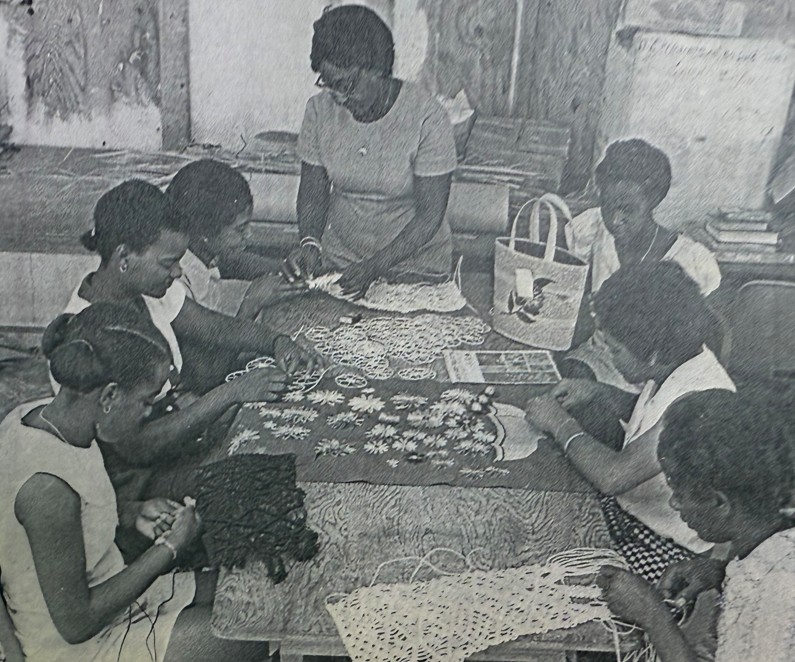
As a result of this early training – women in West Bay, George Town, Savannah, Newlands and the outer districts, individuals like Rose May Ebanks, Vivene Glidden and Ella May Bothwell kept the local silver thatch tradition alive. The same generation that watched the last coils of rope leave for Kingston also planted the seeds of something new.
“She was kind and patient,” explained Miss Marcieann, “She taught us to shape the plaits into baskets, fans, hats – things that visitors might buy, but that we’d still use ourselves.”
Harrison’s early designs kept Cayman’s rugged honesty intact. The baskets, called grounds bags, were still sturdy enough for cassava or yams, yet stylish enough for town or a trip to the beach. The hats shaded faces while letting the breeze through. The same fibre, the same faith – now woven into a new purpose.
The rhythmic twist that once produced rope– now formed intricate plaits. The export market gave way to local enterprise, and the first signs of the Cayman craft industry took root.
Modernising silver thatch
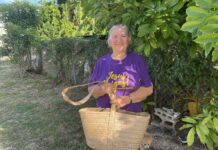
Together people like Miss Marcieann and Miss Rose May began re-imagining what thatch could be in a modern Cayman. They started with baskets, fans, hats, and mats – the everyday things – then moved to finer plaits, decorative panels, and designs that caught the eye of artists and visitors. What had once been work for necessity began to look like design.
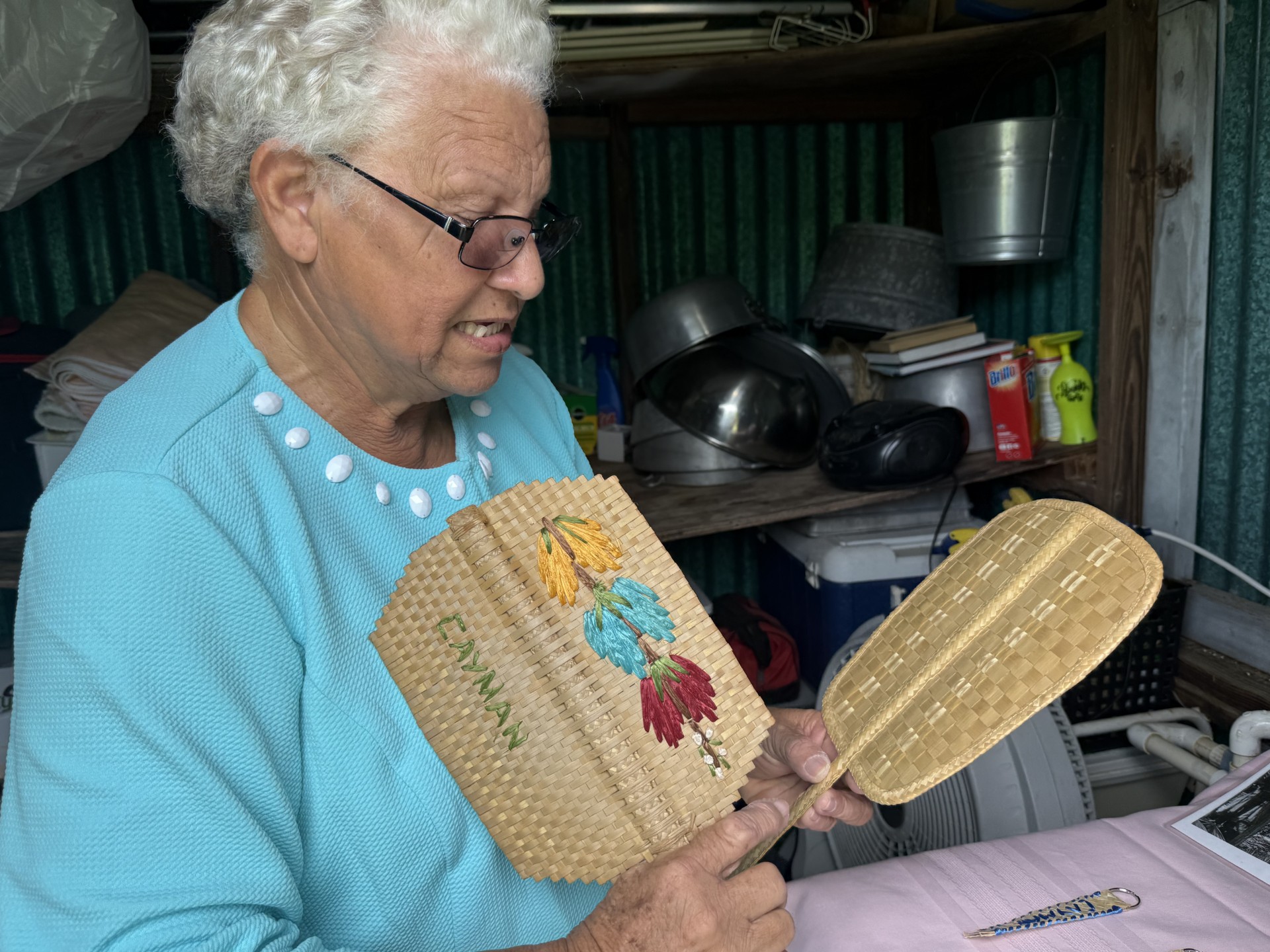
“That was when everything changed,” Miss Marcieann said. “We went from survival to pride. People started realising that what our mothers did with their hands was worth keeping.”
The silver thatch palm, Cayman’s national tree, lent the craft a rare authenticity. It was local, renewable, and rooted in the island’s story from leaf to root. The same qualities that once made it practical – salt resistance, strength and a natural sheen – now make it sustainable.
“You can’t get more Caymanian than this,” said Miss Rose May. “It grows in our soil. It bends to our wind.”
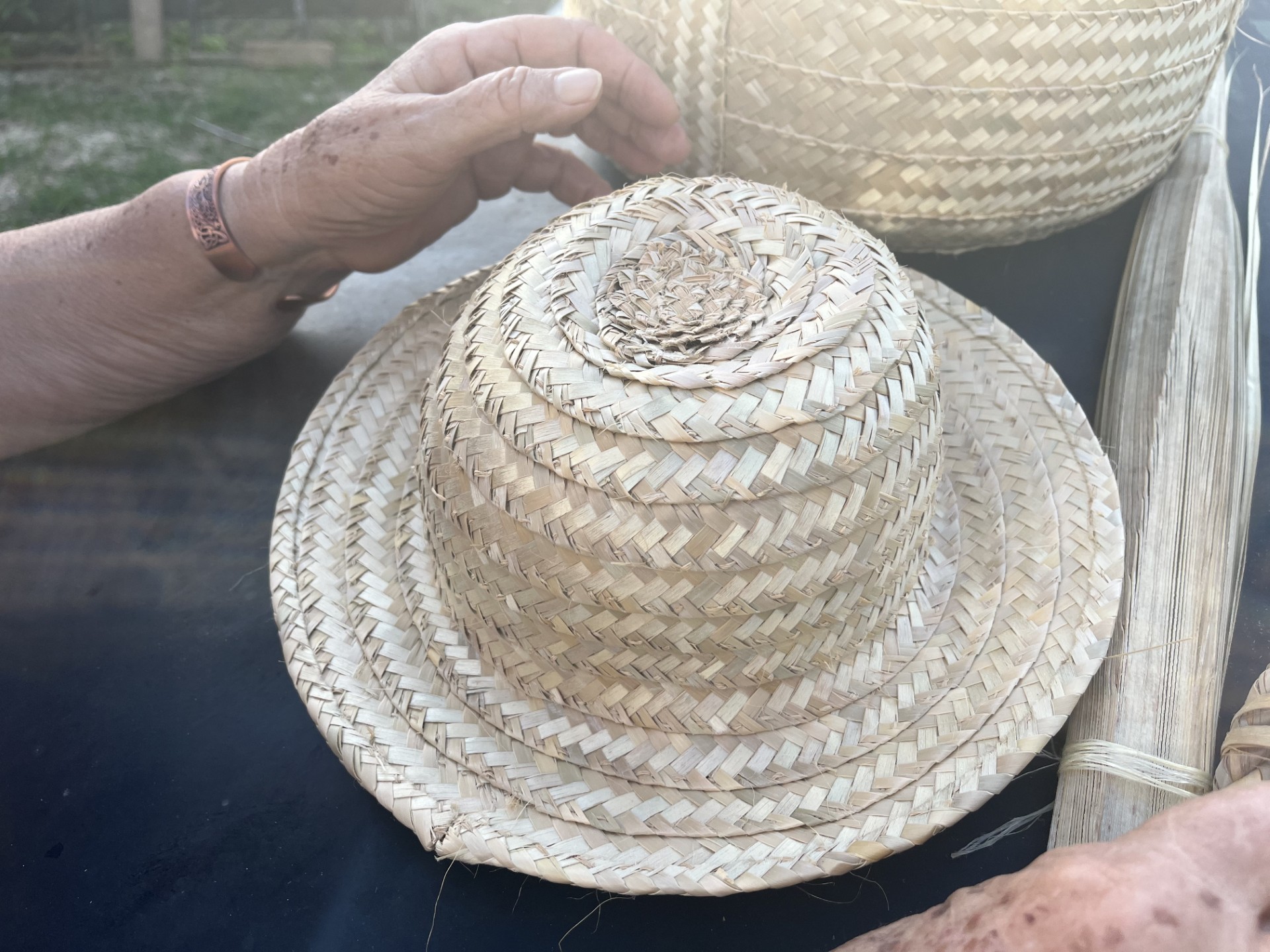
Now, as the world looks again to natural fibres and sustainable design, the craft that Miss Rose May and Miss Marcieann inherited feels newly relevant.
Architects study traditional thatch for its cooling properties; designers explore palm fibre as biodegradable packaging or decorative weave. What began as subsistence work is being recognised as a model of circular economy – one that wastes nothing and depends on the land itself.
For these West Bay women, the value of the thatch is not in commerce but in continuity. “When you work it,” Miss Marcieann says, “you’re not just making something – you’re keeping something alive.”
Miss Rose May and Miss Marcieann are two of just a handful of people who are still making items from Cayman’s native palm. They are the keepers of a Cayman tradition that dates back centuries, and they still know the methods of cutting, curing and twisting that others might have forgotten. Today they are forging a link between Cayman’s past and its present, and hopefully its future.
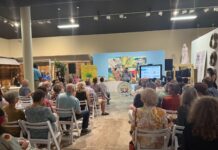
School programmes, community workshops and the Cayman Islands National Museum and the Cayman National Cultural Foundation have begun supporting demonstrations.
Old yards are sometimes turned into open-air classrooms. The rope-making that once connected Cayman to markets in Jamaica now connects generations instead; children learning from elders who still remember how to twist fibre tight enough to hold.
The coil of rope made from thatch on the Cayman coat of arms is a nod to that same tradition, placed beneath the turtle – another emblem of the islands’ maritime past. It carries the same message the tree itself teaches: resilience, resourcefulness and continuity.
Today, neither Miss Rose May or Miss Marcieann take orders for their Cayman thatch work, but they can often be found selling their handmade crafts at events put on by the Museum or at the upcoming Pirate’s Week heritage days.
Miss Marcieann, who grew up watching her grandmother’s fingers twist the thatch said. “I used to think it was just rope, then I realised it was a part of our Cayman story; it is our shared history.”
Related Videos