By Compass Contributor Dr. Yuliya Linhares
Blood cancer awareness is vital to help people recognise diseases that can be difficult to detect but have a significant impact on people’s lives.
Among them, lymphoma is one of the most common blood cancers worldwide. While there are no exact statistics for the Cayman Islands, the global burden of lymphoma makes awareness and early detection essential for better outcomes.
Lymphoma develops in the lymphatic system, a vital part of our immune defence composed of vessels, lymph nodes, and organs such as the spleen. The disease begins when a type of white blood cell, called a lymphocyte, grows and multiplies abnormally, crowding out healthy cells.
There are two main types of lymphoma: Hodgkin lymphoma, which generally has a more predictable treatment pathway, and non-Hodgkin lymphoma, a diverse group of cancers that can exhibit varying behaviors. Both can be aggressive or slow-growing and require timely medical evaluation for proper diagnosis.
One of the challenges with lymphoma is that its symptoms often mimic those of less serious illnesses. People may experience swelling of lymph nodes in the neck, armpits or groin, as well as persistent fever, night sweats, unexplained weight loss, ongoing fatigue or itching without a rash.
Because these symptoms can be mistaken for minor conditions, they are sometimes overlooked. If they last more than two weeks, it is essential to consult a healthcare professional. The earlier we can diagnose lymphoma, the more treatment options we have and the better the chances of success.
Treatment for lymphoma depends on the specific type and stage of the disease. It may involve targeted therapy that attacks certain cancer cell markers, immunotherapy to help the immune system fight the cancer, chemotherapy, radiation therapy or stem cell transplantation.
Advances in these treatments in recent years have improved both survival rates and quality of life for many patients.
A diagnosis of lymphoma can be life-changing, but it does not have to define a person’s future. Many people live long and healthy lives after treatment. Recovery involves more than medical care – it also includes regular follow-ups, healthy lifestyle choices and emotional support.
Knowledge is one of the most powerful tools we have. Recognising symptoms early and seeking medical advice promptly can save lives.
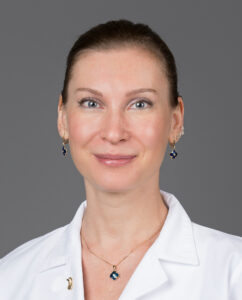
Dr. Yuliya Linhares is a medical oncologist specialising in comprehensive treatment of lymphoma and serves as chief of Lymphoma Services at the Miami Cancer Institute. She is widely published in numerous medical journals and delivers invited lectures at academic symposiums.
Related Videos