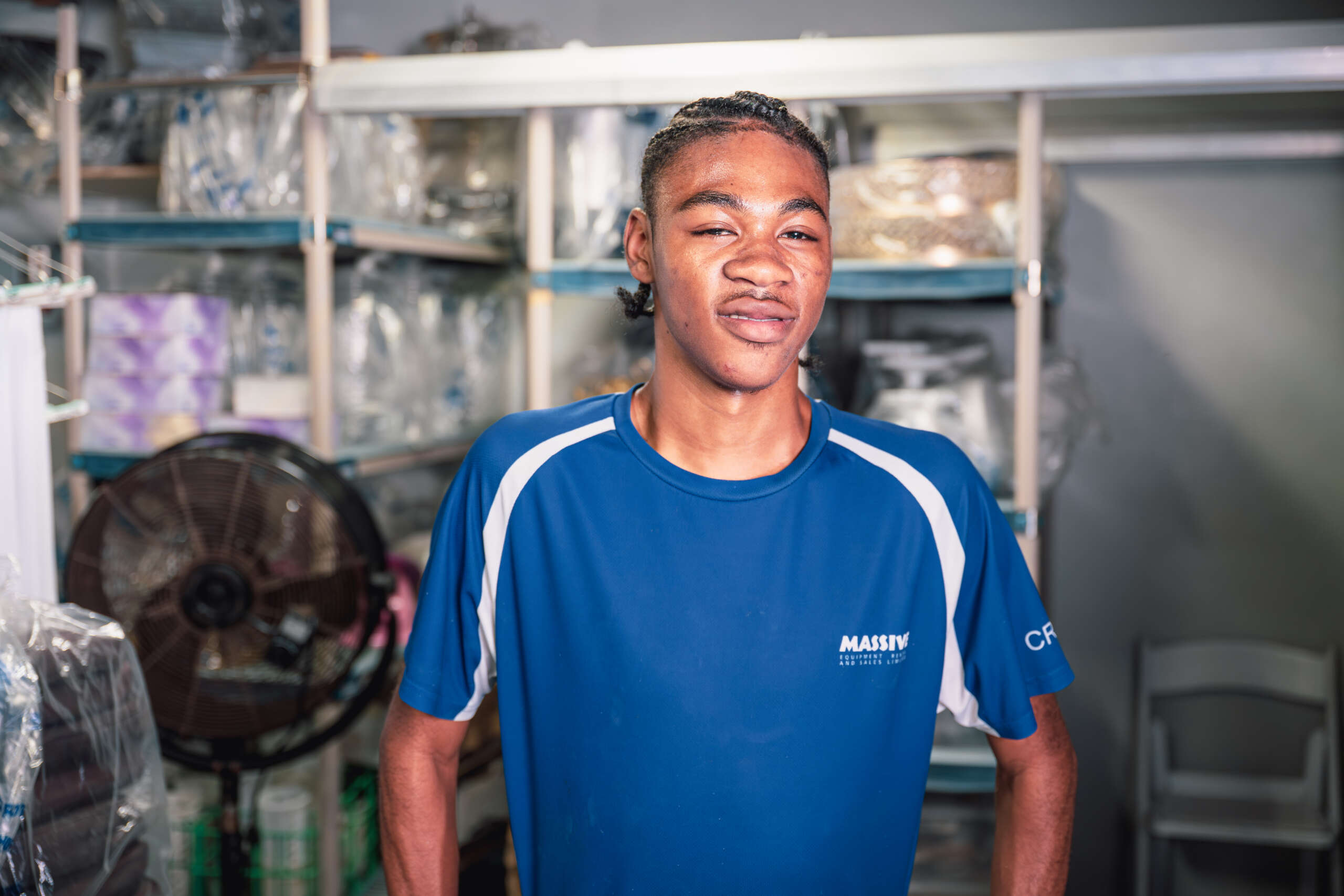
At just 20 years old, Jomani Lee strides into work with a demeanour that says everything you need to know about him. Energetic, committed and proud of what he’s achieved – his journey is a powerful example of inclusion in action.
On the autism spectrum, Lee has spent the past two years working as an event maintenance assistant at Massive Equipment Rental and Sales Ltd., a supplier of construction and events materials.
His days are spent organising, preparing and maintaining event equipment – work that has given him not just a steady income, but a sense of confidence and belonging.
“I love helping,” he says. “I like to help other workers when customers come, dropping off stuff, taking it back to them and putting things in cars for events.”
But getting here wasn’t easy. After finishing school, Lee dreamed of becoming a landscape designer but couldn’t find an employer willing to give him a chance. “I tried to apply for different positions but I was unsuccessful,” he recalls. “I felt sad and unwanted.”
The big picture: disability and unemployment
Globally, people with disabilities remain far less likely to be employed than their peers. A World Health Organization and World Bank report estimates that only 44% of persons with disabilities are in the workforce, compared with 75% of those without disabilities.
Census figures show that disabilities – whether related to vision, hearing, neurodiversity, physical health or mental health – affect a significant share of Cayman’s population aged 5 and older, with an overall rate of 147.2 per 1,000 people.
Visual impairments and mobility challenges are the most common disabilities – difficulty seeing (37.2 per 1,000) and difficulty walking or climbing stairs (33.0 per 1,000) – while autism spectrum disorder and attention deficit hyperactivity disorder are reported at 8.8 per 1,000 persons. Intellectual disabilities, a separate category, are reported at a lower rate of 3.1 per 1,000 persons.
Early intervention, experts say, makes a difference. The Special Education Needs Audit of 2019 found that 11% of students in government schools had been identified with such needs, with most requiring support for specific learning difficulties or intellectual disabilities.
Yet while inclusive education has improved, employment pathways have not kept pace.
“The idea of inclusive employment is slowly taking traction, but it is still a struggle,” says Kimberley Voaden, director at the Sunrise Adult Training Centre, the government’s only comprehensive facility serving adults with additional needs. For four decades, the centre has provided vocational training, therapy and skills development aimed at helping clients live more independently.
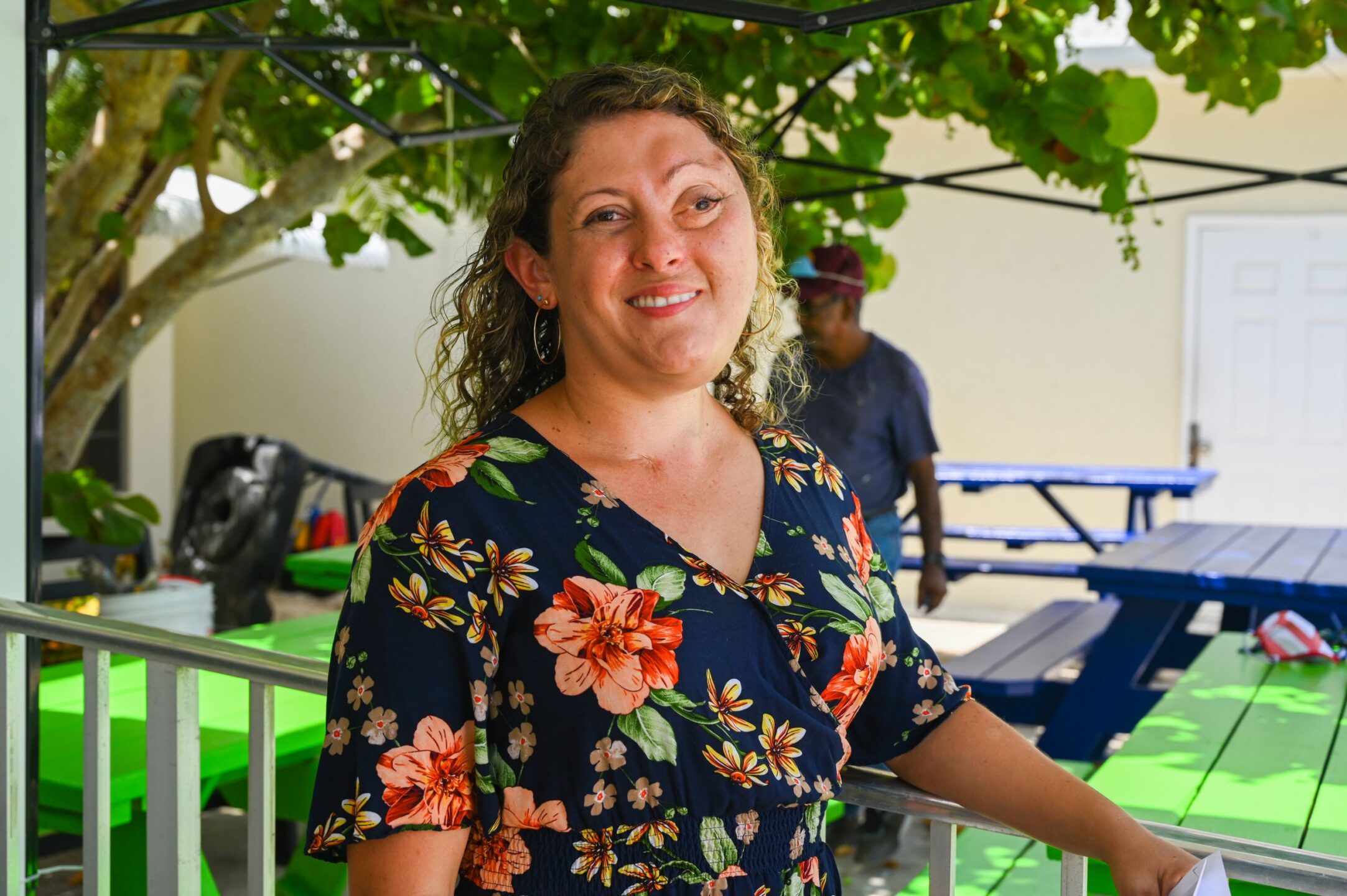
But Voaden says barriers persist, pointing to limited accessibility, insufficient staff to provide training and support, and a reluctance among some employers to adapt roles or recognise the value that persons with disabilities bring to the workplace. She adds that broader challenges – such as transportation, family support and lingering gaps in awareness and attitude – continue to hinder true inclusion.
Voaden says that even securing a conversation with potential employers can be difficult. “Whilst some organisations are open to the idea of providing work experiences, few are offering part-time or full-time employment,” she explains. “If five organisations are approached, maybe one will respond and is willing to give it a try.”
Shan Harriman, CEO of Inclusion Cayman – a non-profit that advocates for the rights, inclusion and independence of people with disabilities – and deputy chair of the National Council for Persons with Disabilities, the government body that advises on disability issues and monitors the implementation of related laws and policies, strikes a hopeful but measured tone.
She says the employment landscape in Cayman is “steadily becoming more inclusive and proactive”, but acknowledges that “there is still a great need”.
“We do have a wait list of individuals eager for meaningful employment opportunities, which shows both the demand and the potential,” she says.
The challenge is not unique to Cayman. Across Latin America and the Caribbean, only 31% of persons with disabilities aged 15 and older are employed, compared to 58% of those without disabilities – a gap wider than almost anywhere else in the world
“The challenge lies in the transition from school to employment,” says Harriman. “Too often, young adults with disabilities leave the education system without clear pathways into the workforce.”
The price of exclusion
Excluding people with disabilities from the workforce limits opportunity and carries a real economic cost. Productivity drops, consumer spending shrinks and talent is wasted. In a widely referenced report by the International Labour Organization, the cost of exclusion is estimated to be between 3% and 7% of countries’ gross domestic product.
In Cayman, the growing number of people with disabilities who are reliant on long-term financial assistance underscores how many remain outside the labour force. Data from the Ministry of Social Development reveals that as of August 2025, 1,111 individuals – mostly those with permanent disabilities and the elderly – were receiving up to $1,500 a month in long-term support. The number has risen steadily since 2018, tracking population growth but also reflecting a deepening dependence on social protection.
Between 2018 and 2023, government spending on social assistance more than doubled, increasing by 122% to over $21 million. The cost of supporting persons with disabilities, along with the indigent and elderly, rose by 21% during the same period, and by mid-2025, spending had already surpassed the previous year’s halfway mark.
These figures tell a larger story about the pressing need for policies that promote inclusion rather than long-term dependency. Financial assistance provides a crucial safety net, but it cannot replace the empowerment, dignity and economic stability that come from meaningful work.
It is within this context that the role of government becomes crucial.
The role of government
When the Disabilities (Solomon Webster) Act was enacted in 2016, it marked a milestone in Cayman’s journey toward inclusion, affirming the right of people with disabilities to participate fully and equally in society. Nearly a decade later, that promise is being tested by the gap between well-intentioned policy ambition and lived reality.
The law prohibits discrimination in all spheres of society, extending protections to the workplace. It also requires employers and public bodies to make “reasonable accommodations” such as assistive devices or accessible facilities. Yet, while the law provides an important foundation, it lacks strong enforcement mechanisms, leaving implementation largely dependent on goodwill and advocacy.
Underpinning the legislation is the Cayman Islands Disability Policy 2014-2033, which envisions a society where people with disabilities have equal access to employment, training and fair pay. The policy calls for job-readiness programmes, scholarships for skills development, incentives for inclusive hiring and government leadership in employing people with disabilities. It also recommends modernising the Labour Act to close wage and benefits gaps and ensure workplace safety.
Some progress has been made. The Sunrise Adult Training Centre, the government’s flagship facility for adults with disabilities, continues to expand. In 2023, it eliminated its client wait list, bringing 44 new people into its vocational and therapeutic programmes, and has since expanded. The centre provides pathways to independence and work placement, but its capacity remains limited compared to the demand for meaningful, supported employment.
‘Reflect values of inclusion’
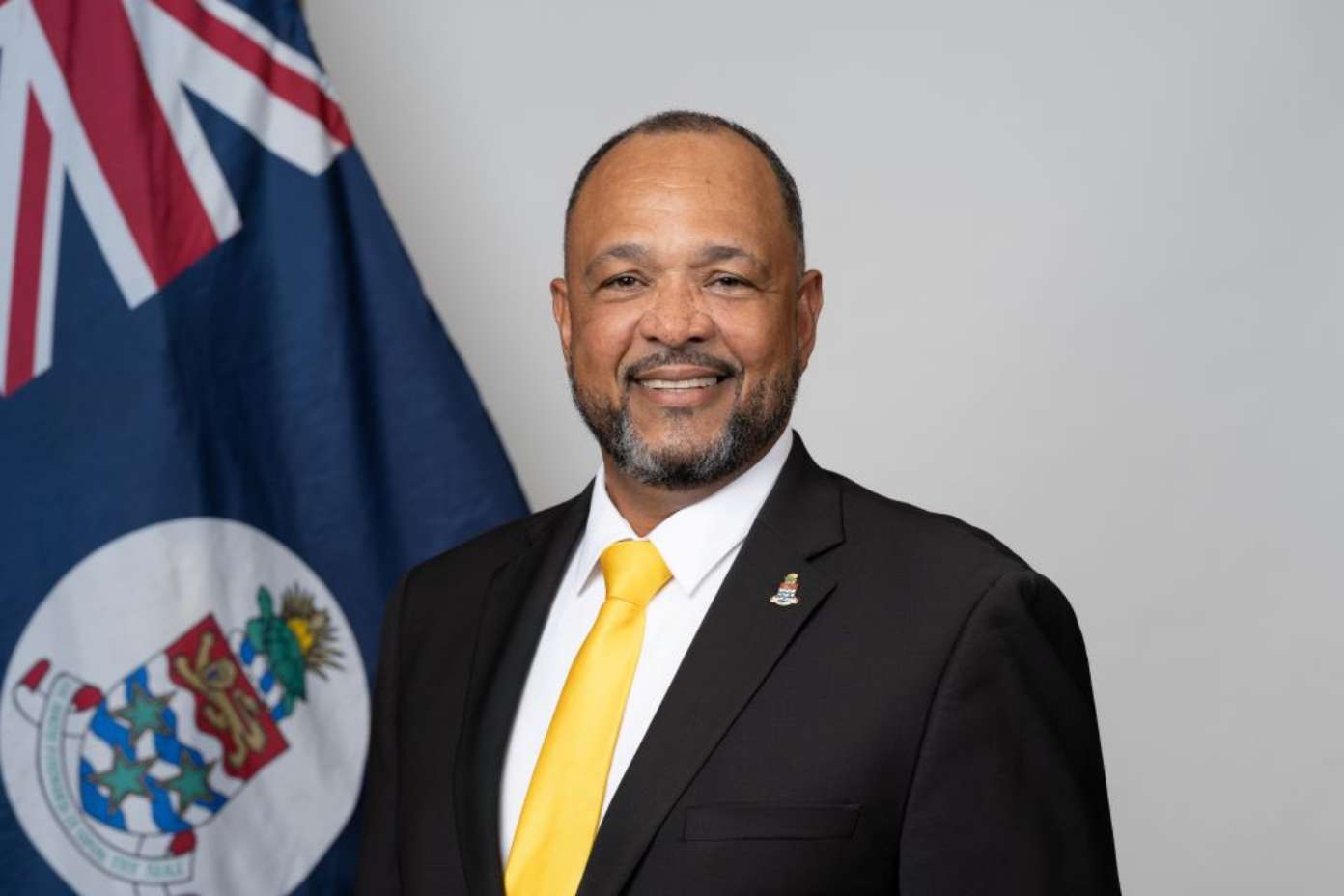
Minister for Social Development Isaac Rankine says the government is prioritising support for people with disabilities through both policy reform and practical action.
“Together, we are advancing social development that uplifts every person and ensures our policies reflect the values of inclusion, dignity and care,” he says, stressing the role of the Sunrise Adult Training Centre, within the Ministry of Education and Training, as the primary entity to support people with disabilities with training and employment.
Rankine notes that, with his ministry now aligned with the National Council for Persons with Disabilities, work is under way to amend and enhance disabilities legislation to make it “fit for purpose”, not only in addressing accessibility and empowerment, but also in creating “pathways to meaningful participation in the workforce and community life”.
That review of the 2016 law has been welcomed by advocacy groups. Harriman calls it “a very positive and necessary step forward,” signalling government’s intent to align local legislation with international best practice.
“Government policy plays a vital role in creating the conditions where inclusive employment can truly thrive,” Harriman says. “Policies that promote awareness, accessibility and equitable opportunity empower individuals with disabilities and also provide employers with the structure and confidence to implement inclusive hiring practices effectively.”
She adds that while recent engagement between government and advocacy groups has been encouraging, there is still “a significant gap between where we are and where we need to be”. The missing pieces, she says, include formal supported employment pathways, consistent training for employers and adequate workplace accommodations.
At the same time, persistent barriers continue to limit opportunities for many.
“The legislation does not yet speak to any obligation to create and retain opportunities in all organisations for persons with disabilities,” says Voaden. “Policies should provide for reasonable accommodations, so I am heartened by the changes being undertaken by the Ministry of Social Development.”
Voaden also points to healthcare and insurance as structural barriers that compound employment challenges. “Those with permanent disabilities are often treated as though they will ‘grow out’ of them,” she says. “Many health insurance plans are still expensive and provide limited access to non-emergency services needed by clients, such as therapy, adaptive equipment and mental or behavioural health services.”
Voaden says Sunrise is collaborating with government to expand inclusive employment within the civil service. “It would be wonderful for government – with the support of Sunrise – to offer year-round, entry-level positions or paid internships for people with disabilities,” she says.
Harriman agrees that meaningful progress depends on turning policy into practice. “When policy, community organisations and businesses work in partnership, inclusion becomes not only possible, but sustainable,” she says.
Private-sector partnerships
While government sets the policy framework for inclusion, it’s the private sector where those policies come to life. Sunrise Adult Training Centre partners with 36 companies to place its clients in jobs and training opportunities, while Inclusion Cayman collaborates with about 15 businesses. Together, these partnerships show what inclusion looks like when companies commit to seeing ability before disability – and inclusivity as smart business.
Harriman says some of Cayman’s strongest advocates for inclusion are employers themselves. “They have been outstanding advocates of our supported employment programme,” she says of locally owned businesses such as Mike’s Ice and A. L. Thompson’s. “They have seen firsthand how inclusive hiring can boost productivity, loyalty and teamwork, while also enriching the overall workplace environment.”
Voaden points to Junk Cayman as a standout example. The company, led by Cabinet Minister Rolston Anglin, hired a part-time driver who learns visually, so the business created picture guides to help him navigate his delivery routes independently. When the same employee later launched his own mobile car wash business, Anglin and his team offered guidance, legal advice and even became his clients.
“As a result, he is both successful and extremely loyal to Junk Cayman and Junk Cayman has also benefitted from his skill set,” she explains.
The hospitality industry, one of Cayman’s largest employers, has also shown leadership. Two Sunrise clients with multiple disabilities now work part-time at the Grand Cayman Marriott Resort, fully integrated into its kitchen and banquet departments and receiving the same benefits as other staff.
Then there’s Tivon Garraway – a 19-year-old barista at Starbucks, known for his love of Strawberry Açai Refreshers, sushi, Pokémon cards, books and movies.
His story has become a shining example of what inclusive hiring can make possible. With support from Inclusion Cayman, Garraway received coaching through his job application and interview process.
For just under a year now, he’s been confidently serving customers behind the Starbucks counter at Camana Bay. “I love coffee,” he says. “The staff is friendly, and I meet new people every day. When I got paid for the first time, I treated my sister and nephew to lunch. It felt so good to be able to do that.”
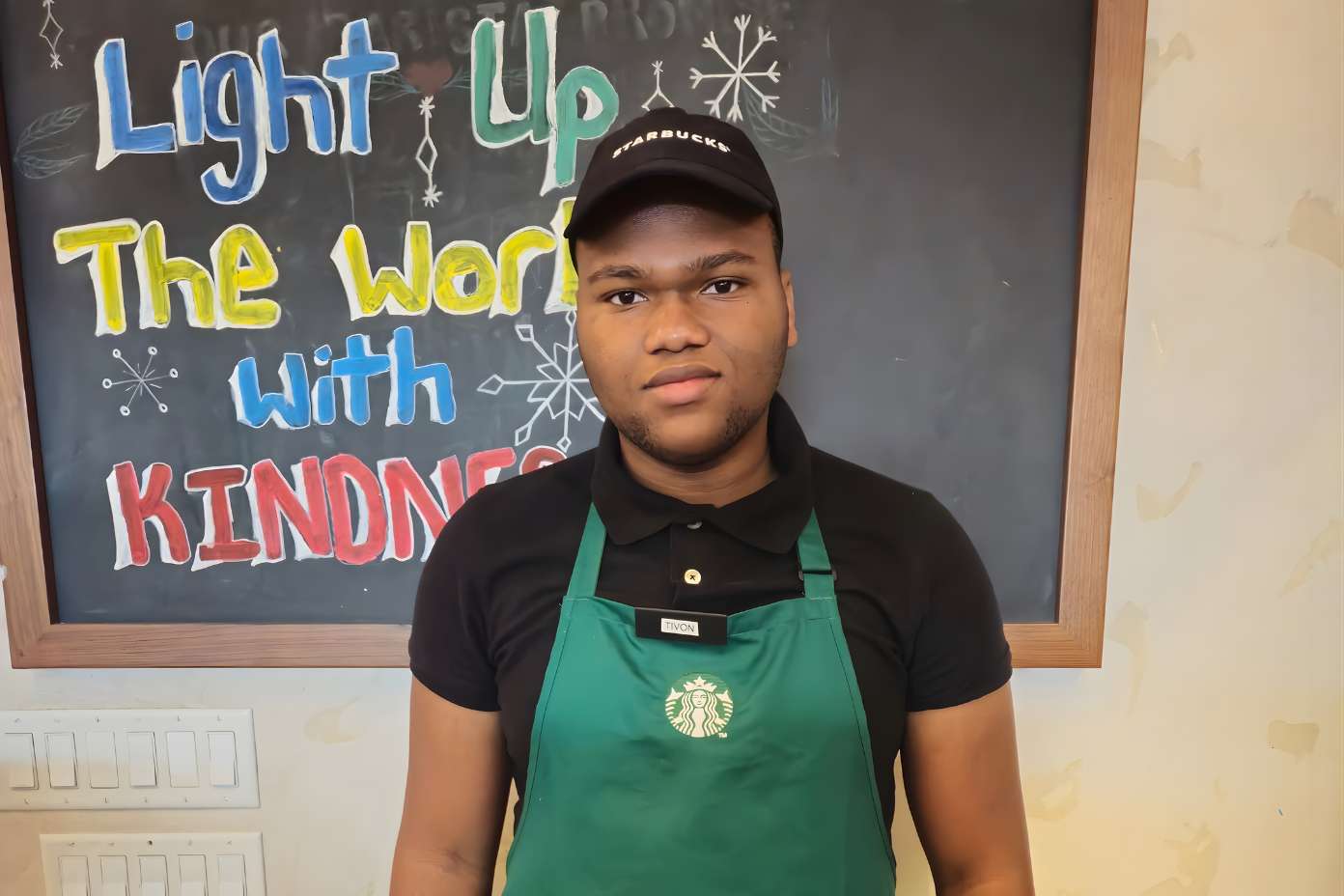
His sister, Felicia Paddyfoot, says the job has transformed her brother. “He’s definitely opened up since he started working,” she says. “You should have seen the light in his eyes when he got this job, making his own money. He’s more independent. … I’ve been working with him on a budget and he’s been doing a lot by himself.”
At Starbucks, Garraway isn’t defined by his disability. “He’s Tivon – the hardworking, coffee-loving, dependable team member,” says his sister. “He chats with customers, makes great drinks and shows up ready to work with pride.”
Paddyfoot adds, “To anyone wondering if hiring someone with a disability is the right decision, let me say this: Just do it. Don’t wait. Don’t second-guess it. Inclusion works. And when you open your doors to someone like Tivon, everyone wins.”
The data backs her up. According to Inclusion Cayman, employees with disabilities tend to have lower absenteeism and turnover rates than their non-disabled peers. Research also shows that 60% outperform others in workplace safety and 90% achieve average or above-average job performance – a clear sign of reliability and commitment.
That dependability is reflected in countless individual stories. One of Sunrise’s earliest clients, for instance, spent more than 33 years working in Cayman’s Health Services Authority’s laundry department, supported throughout by both the Sunrise vocational team and HSA management. As he approached retirement at age 60, HSA extended his employment until 65 in recognition of his dedication. He went on to receive several long-service awards for his contributions.
“We have found that inclusive hiring often creates a ripple effect,” says Harriman. “Employers who have embraced it tend to become strong advocates within their industries, inspiring others to do the same. That is how systemic change begins to take root in our community.”
The power of collaboration
Partnerships are where inclusion efforts gain real momentum. A powerful example is the collaboration, launched in 2021, between Inclusion Cayman and Rotary International, which connects people with intellectual and developmental disabilities to meaningful, skill-matched employment – and, in many cases, a first real chance at independence.
The process begins with outreach and one-on-one meetings to understand each candidate’s strengths and aspirations, followed by collaboration with employers to design inclusive, people-centred roles. Rotary members use their networks to open doors, while Inclusion Cayman provides ongoing job coaching and workplace support to ensure long-term success.
The Rotary employment partnership helped change the course of Jomani Lee’s life.
After more than a year of unemployment, his father, Cato Lee, learned about the programme and reached out.
“They helped me get back on my feet,” Lee says. “They met with me to discuss potential opportunities and companies they were connected with, then introduced me to Massive, explaining the available job opening. Inclusion Cayman supported me through my interview and onboarding after I secured this job.”
Under the programme, inclusion is not framed as charity but as a sound business decision, creating a workforce that reflects the true diversity of Cayman society.
That philosophy is embodied by 22-year-old Tianna ‘TT’ Hurlston, an office assistant at Conyers who secured her role four years ago through the Rotary partnership. Hurlston, who loves the colour pink, drawing and watching wrestling, says one of her greatest joys these days is simply going to work.
Her role supports the operations team – keeping the kitchen and reception areas organised, stocking snacks and drinks and maintaining office spaces and equipment. Hurlston says her grandmother, Jessie Schmid, has been her biggest supporter and is “incredibly proud” of how far she’s come. Since starting the job, Hurlston has found a new sense of purpose, become more confident and built lasting friendships with her colleagues.
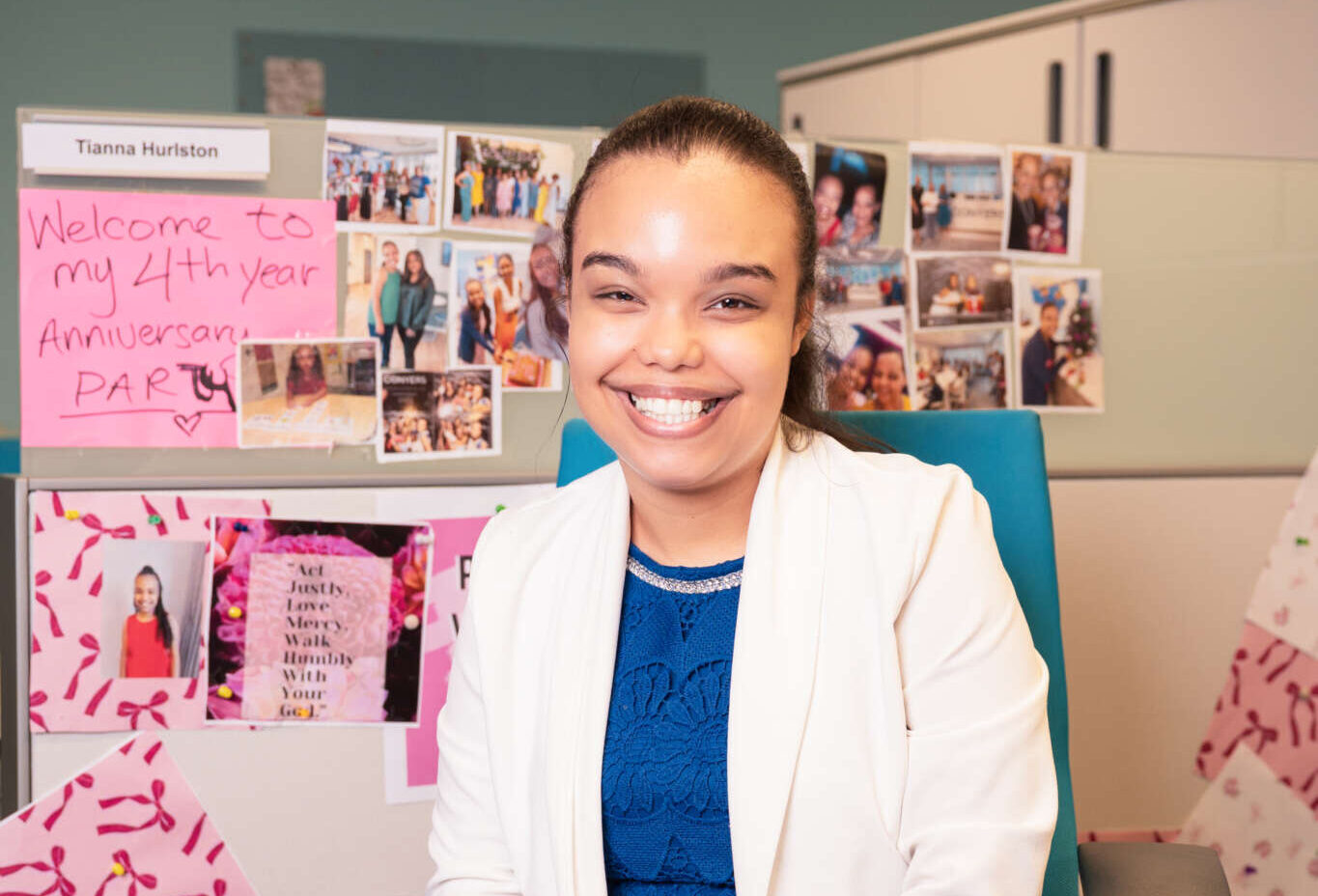
“What I love most about my job is the people,” she says. “They are so nice. We’re like a family, like best friends. Everybody there is so sweet and kind and nice and helpful. And we have fun together and everything … I wish there were more jobs for everybody.”
Since joining Conyers, Hurlston has become part of the fabric of the office. She celebrates birthdays with her coworkers, joins them for brunches and recently signed up for a gym membership.
For Delroy Watson, of Inclusion Cayman, Hurlston’s story captures what inclusive employment is all about. “The whole aim of the employment partnership is to help people get back onto the normal pathways of life,” says Watson, who is the organisation’s inclusion facilitator. “She’s truly embraced her job, and it’s allowed her to do just that. She’s meeting friends, going to the gym, building her own social network – that’s exactly what we hope to see.”
Hurlston’s faith has been a constant source of strength. “God always has a way,” she adds. “Just trust and you’ll get it.”
Watson says that when people secure stable employment, they gain confidence and independence. “That’s what success looks like when inclusion really works.”
Shifting the landscape
The employment landscape for people with disabilities in Cayman is changing – slowly but surely. Harriman says she’s noticed “a real shift in mindset” among local employers.
Voaden notes that Sunrise currently supports 33 clients in paid employment, with another six in short-term internships or “tasters.” For Inclusion Cayman, placements typically take between six weeks and six months, with many leading to lasting employment. The organisation has helped secure 15 long-term job placements in recent years.
“Each placement is the result of genuine partnership, thoughtful matching, and ongoing collaboration between the employee, the employer and our team,” Harriman says. “Together, we’re proving that inclusion is not only possible but also beneficial and sustainable.”
Both Harriman and Voaden stress that barriers rarely come from ability. “Too often, assumptions about limitations overshadow the real abilities, talents and potential individuals bring to the table,” Harriman says. “Changing these perceptions starts with education and awareness.”
For both leaders, the goal is a Cayman where inclusion is second nature. As Cayman revises its legislation and expands partnerships, stories emerging from these programmes show what true inclusion can achieve, not just for individuals, but for society as a whole.
A striking transformation
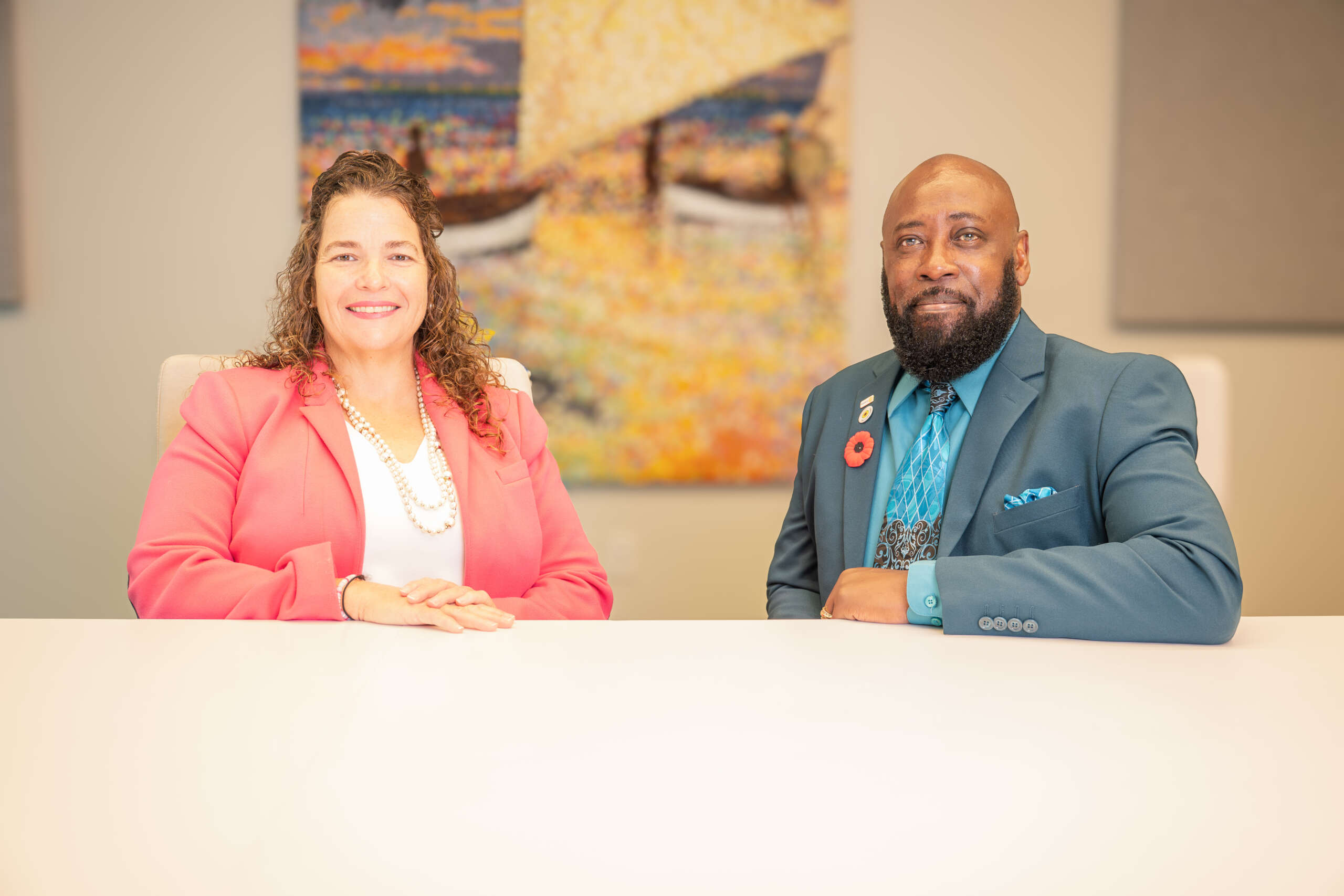
Two years into his job, Jomani Lee’s transformation has been profound – he’s gained new skills, formed friendships and discovered a strong sense of purpose and independence.
“I like to buy my own stuff,” he says. “Every time I get paid, I go and do my hair. I also like to buy gifts for my family.”
His stepmother, Glenda Ebanks-Lee, says the change has been remarkable. “There’s always a stigma around children on the spectrum,” she says. “We were worried about what would happen after graduation. Would he just be staying home?”
When Lee started working at Massive, everything changed.
“We’re so happy that Jomani can go into the working world,” says Ebanks-Lee, tears welling in her eyes. “To see him swipe his debit card for things he wants to buy, to go out on his own – it’s something we never thought we’d see.”
At Massive, Human Resources Manager Jennifer Leach-Tippetts says Lee has been “an outstanding member” of the warehouse team. “His positive attitude and commitment make him a favourite among staff and customers alike,” she says. “His journey underscores the importance of fostering a diverse and inclusive workplace.”
Massive’s inclusion programme ensures individuals from all backgrounds feel valued and empowered to thrive. “His contributions not only enhance our operational efficiency but also strengthen the welcoming and inclusive environment that defines Massive,” Leach-Tippetts adds.
For Ebanks-Lee, the pride goes beyond her stepson’s performance at work. “There were moments when he wanted to be included but couldn’t be,” she says. “As a parent, that’s not a nice feeling. I just wish the stigma would fade away, because so many of these young people are talented. They just need the opportunity.”
Her message to other parents and caregivers of people with disabilities is: Don’t give up.
“Continue to encourage them and be part of their journey,” she says. “It’s not easy, but the reward seeing them become independent is incredible.”
Related Videos