The Mosquito Research and Control Unit said it was expecting a mosquito emergence this week, with higher concentrations along the West Bay peninsula.
In a press release, the unit said it has been working across the swamps and other isolated areas of Grand Cayman following a rise in larvae detected during routine monitoring.
Alan Wheeler, MRCU director, told Compass TV, “Last week, we found high numbers of mosquito larvae breeding in swamp areas … we conducted aerial larvaciding operations, we initiated the use of our drone for the first time, which was able to treat areas that are generally untreatable by the fixed-wing aircraft and we also had ground crews … going deep into the swamp conducting larvicide operations.”
While these measures help keep the mosquito population as low as possible, it is not possible to stop an emergence entirely, the MRCU said.
Wheeler said the unit has made progress with its efforts so far, adding, “I don’t want to say how big that increase is going to be at this stage, I need more data to come in, but it’s looking a lot better than it was last week and I think we definitely significantly reduced the number.”
Once the mosquitoes begin to appear as flying and biting adults, the MRCU will shift its focus to adulticiding – targeting mosquitoes after they reach the adult stage.
The unit said it normally takes a few days to bring the numbers down and it hopes that weather conditions will allow its aircraft to carry out treatment, as this usually helps achieve faster results.
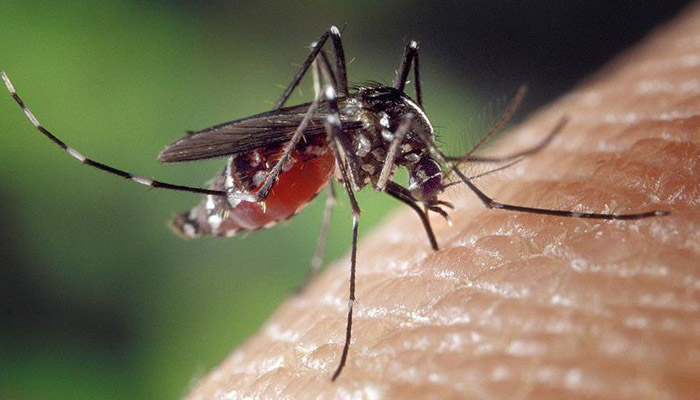
The species involved in this emergence is Aedes taeniorhynchus, commonly known as the black salt marsh mosquito.
“The Aedes taeniorhynchus is very specific in its activity, it’s active 15 minutes after sunset for about two hours,” Wheeler said. “If you can avoid being outside at that time, that is the best thing; if you can’t do that, wear repellant.”
This species of mosquito does not breed in yards or around homes; it mainly breeds in the swamps. It is considered a nuisance species rather than a threat to human health, as it does not transmit diseases to people.
However, Aedes taeniorhynchus can transmit heartworm to dogs. Pet owners are encouraged to speak with their veterinarians about appropriate preventive medication, said the release.
Related Videos