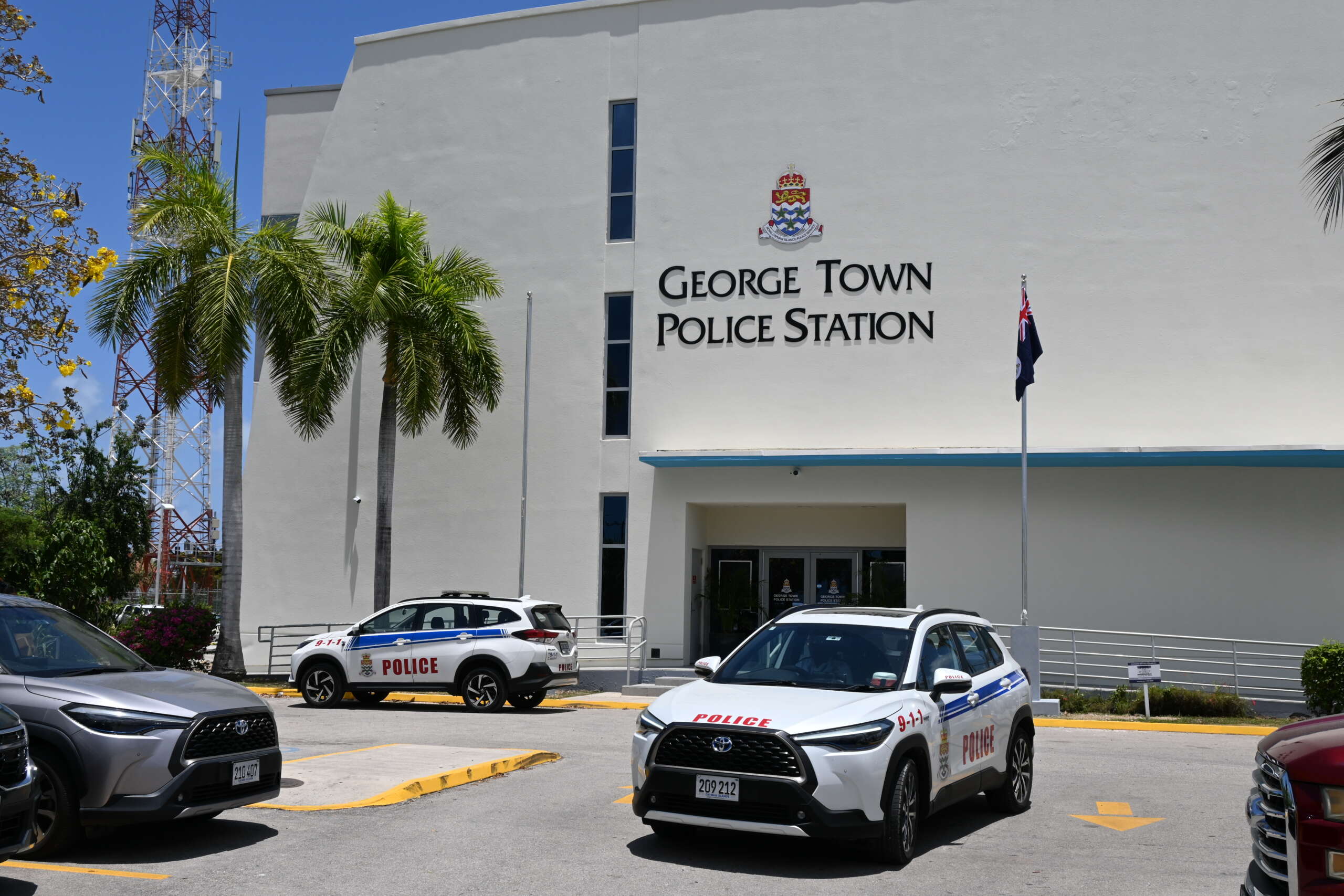
Cayman police officers are underpaid compared with their counterparts in Bermuda, which could affect recruitment, a comparison of pay scales for new constables reveals.
Constables at the start of their careers in Cayman can expect to take home about US$60,621 a year – more than US$18,890 less than their Bermuda equivalent.
The Royal Cayman Islands Police Service in April had 404 officers serving a population of more than 91,000 spread over 102 square miles – an officer to population ratio of about 1:225.
The starting salary for a new officer is CI$48,096 a year (US$57,717), plus a CI$2,400 a year (US$2,880) housing allowance – a compensation package total of US$60,597 a year.
Officers also get 100% health care coverage through the Cayman Islands National Insurance Company.
Bermuda is the closest of the Overseas Territories to Cayman in terms of development, income and cost of living and neither levy personal income tax.
Bermuda had 374 police officers in the first quarter of 2026, responsible for policing about 63,000 people – a ratio of officers to population of about 1:168, although the police service claimed a population of 73,000.
A new constable can expect to earn US$79,516 a year after basic training and benefits include full medical coverage under the Bermuda Government Employee Health Insurance Scheme.
The Royal Anguilla Police Force, at the other end of the scale, pays its new constables the equivalent of US$26,650 a year and benefits also include 100% medical coverage.
The force has 141 police officers for a population of just 15,000 spread over 35 square miles – a police officer to public ratio of about 1:106.
One former Cayman officer said the low rates of pay could be because the police service has historically had a lower number of Caymanians compared to other civil service departments.
The retiree, who asked not to be named, added, “It is almost impossible to recruit from anywhere other than Cayman and Jamaica now due to the cost of living and salary offered.”
The veteran officer added that tougher immigration rules also had the potential to negatively impact recruitment from overseas.
He also highlighted that, unlike other parts of the Caribbean, Cayman’s thriving international business sector offered many more lucrative opportunities for strong candidates.
The ex-officer said, “With the new immigration laws, I think they need to go full Caymanian recruitment, but the starting salary needs an uptick.
“They then need to invest heavily in training to provide specialist skills and they need to be more proactive and reactive in recruitment and retention.”
The RCIPS declined to comment on the grounds that discussions on pay rates strayed into the political arena, which breached service regulations.
The Cayman government was asked more than a month ago if the government was aware of the pay gap between Cayman and Bermuda. It was also asked if it affected recruitment overseas or in Cayman and if it had any plans to make the service a more attractive prospect for potential recruits.
It has yet to reply.
Related Videos