

At a glance
- Most drink drivers caught only after crashes occur
- One-in-three drivers recorded triple the legal limit
- Police cannot conduct random roadside breath testing
- Limited officers restrict proactive drink-driving enforcement
Rogue motorists may be getting away with drink-driving because of gaps in legislation and enforcement, a Compass open records investigation shows.
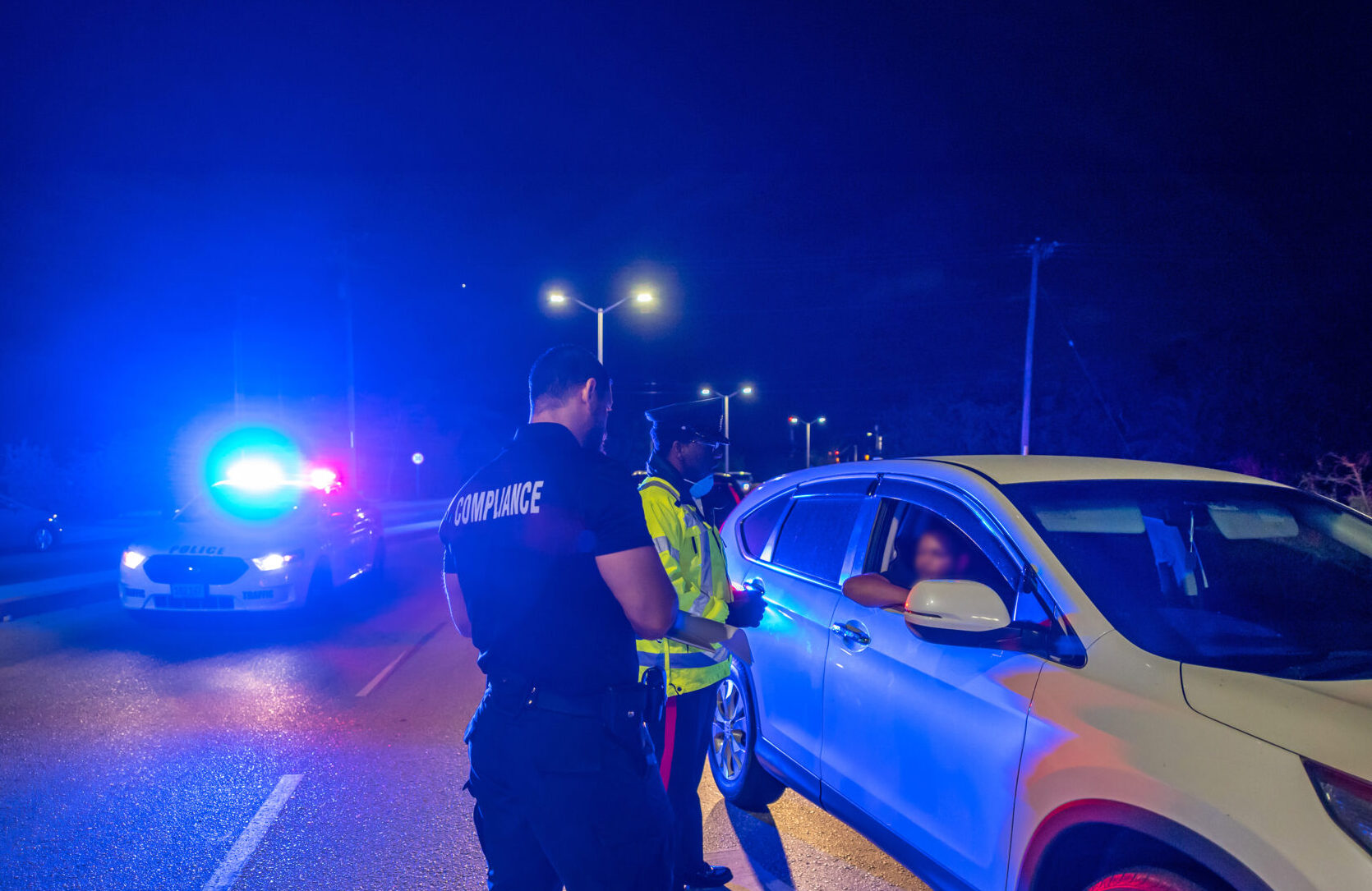
Drivers in the Cayman Islands often encounter police only after they are severely intoxicated or have already crashed, data obtained under the Freedom of Information Act shows.
A gap in the islands’ traffic laws, which prevents police from conducting random roadside breath tests, combined with severe resource constraints, has been blamed for limiting proactive enforcement.
Alcohol has been highlighted as a major factor in Cayman’s high rate of deaths and injuries from vehicle accidents.
And global experts argue the most effective way to reverse a permissive culture of drink-driving is through heavy enforcement, including random checkpoints.
Comparisons with the most successful enforcement regimes in the world suggest this would require both a change in the law and a multi-million dollar investment in manpower and technology.
But international evidence indicates such an investment would both save lives and, over time, could reduce the healthcare and economic costs associated with Cayman’s high accident rate.
Beyond the limit
Data on every positive breath test over the last two years, provided to the Compass through the Freedom of Information Act, records 460 roadside breathalyser encounters.
Of the 371 drivers who produced measurable breath-test results, more than 90% were above the legal blood-alcohol limit of 0.07%. Police say negative results were not included, though a handful do appear in the data set.
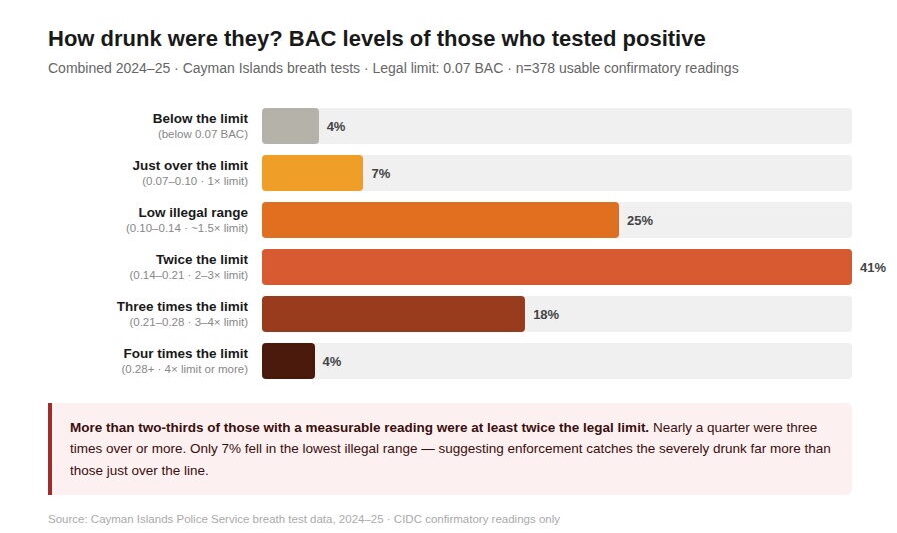
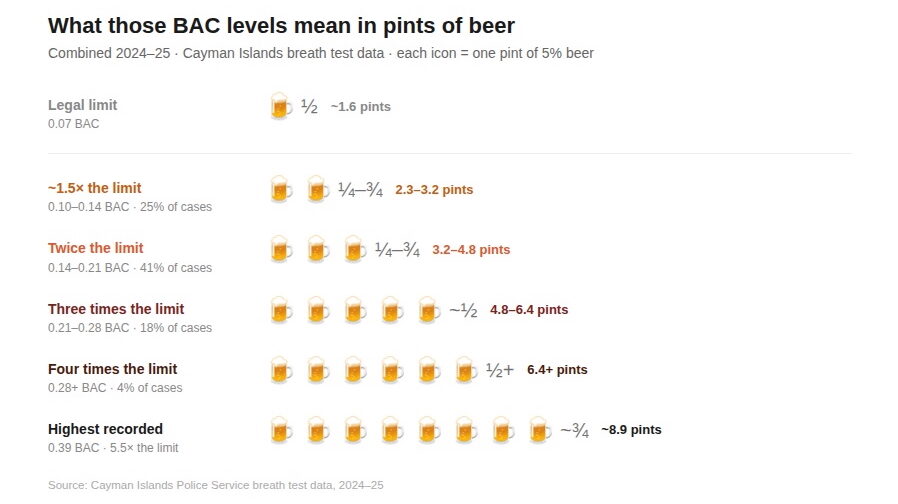
Nearly one in three had alcohol levels at least three times the legal limit, and 32 drivers recorded levels more than four times the limit.
More than half of the tests in the dataset occurred after crashes, suggesting drivers are often detected only after serious impairment or collisions.
In jurisdictions that use random breath testing, police typically detect many drivers just over the legal limit because motorists are stopped before they become severely impaired.
In the Cayman data, relatively few drivers fell into the lowest illegal range. Only 26 drivers across two years fell just above the legal limit (0.07-0.10) while 150 were three or four times over the limit.
The records response did not include negative breath tests, which would show how many drivers were screened overall.
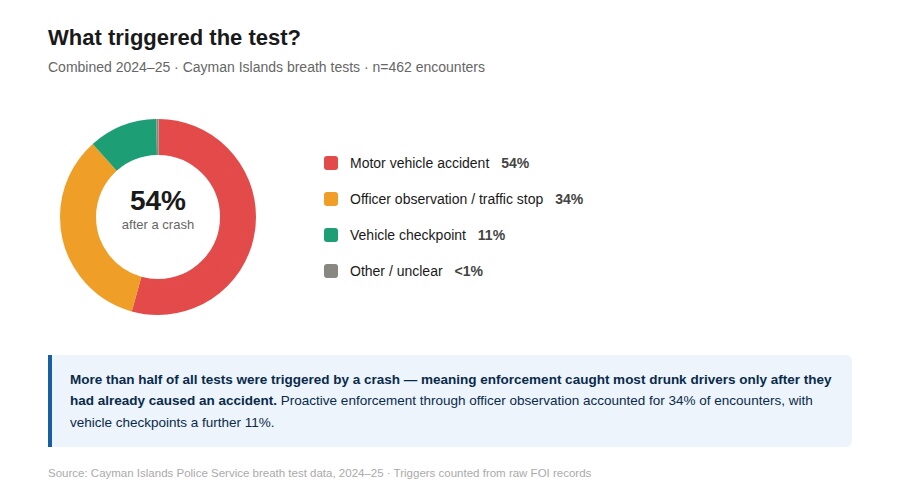
Police say they do not record negative tests and were unable to say how many motorists are breath-tested each year.
Alcohol linked to rising road deaths
Traffic accidents have claimed the lives of 67 people in Cayman since the start of 2021. Court proceedings, coroner’s reports and police interviews confirm that alcohol was a factor in many of those cases.
In some instances, the fatalities involved pedestrians or cyclists who were struck by drunk drivers.
The Cayman Islands is currently in the midst of a ‘Road to Zero’ campaign aimed at eliminating deaths on the islands’ roads. The drink-driving limit was reduced from 0.1 blood alcohol content to 0.07 in late 2022, and a public campaign is urging motorists to drive responsibly.
But experts argue that the single biggest driver of behavioural change is fear of getting caught.
David Sleet, a former senior scientist at the US Centers for Disease Control and Prevention and the co-author of a World Health Organization report on road traffic injury prevention, said enforcement is key.
“When it comes to drinking and driving, lowering the legal BAC limit is important, but legislation alone is not enough,” he said. “High-visibility enforcement is what changes behaviour.”
Police cite legal limits and staffing pressures
Police media officer Jodi-Ann Powery said the traffic unit is operating under significant manpower pressure and has to be strategic about how its resources are used.
She said there are around 15 officers dedicated to traffic enforcement. That number has remained largely unchanged for more than a decade, even as the population and number of vehicles on the roads have increased substantially.
Police now respond to more than 60 collisions a week, she said – an average of eight or nine every day – and crash investigations can take hours to complete.
Powery also pointed to a legal constraint that restricts how officers conduct breath testing. Under Cayman’s current traffic laws, drivers are not obligated to provide a breath test unless police can demonstrate cause.
“We do a lot of high-visibility patrols and vehicle checkpoints,” she said. “But, in the Cayman Islands, we operate based on reasonable suspicion.
“If we don’t observe somebody behaving in a way that causes suspicion, then legally they are not required to take a breath test.”
High levels of intoxication
Powery acknowledged that the data reviewed by the Compass reflects a worrying level of intoxication among drivers who are tested. And she accepted that lowering the limit did not seem to have impacted behaviour.
“We’ve had a significant number of readings well over 0.15,” she said. “We’ve had instances where it’s triple the limit. We’ve had instances where persons have blown 0.30.”
Some of the resource issues could improve thanks to a $15 million increase in the police budget announced last year. Commissioner Kurt Walton told legislators in Parliament’s Finance Committee that the bulk of those funds would go towards recruiting 45 new officers, including six traffic cops.
However, Powery suggested enforcement alone may not solve the problem.
“I think drunk driving is a culture in the Cayman Islands that needs to be resolved,” she said. “I don’t think we can enforce our way out of it.”
Police instead rely on a mix of enforcement and education campaigns, including road-safety messaging linked to the National Road Safety Strategy.
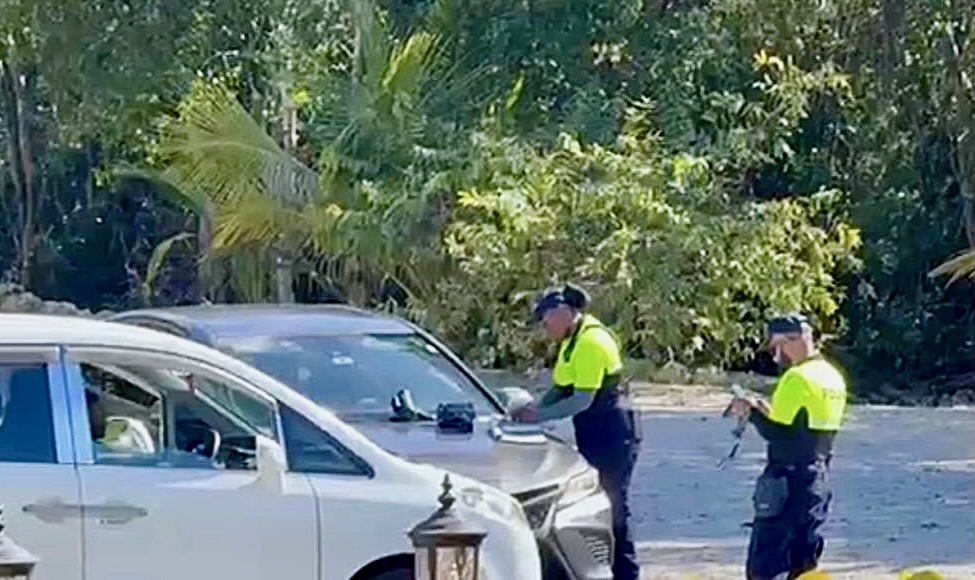
Powery pointed to seasonal campaigns and late-night operations such as Operation Hummingbird, which focuses on weekend patrols and checkpoints during the early morning hours.
She said the police service does not operate fixed quotas for breath testing, instead deploying operations based on intelligence, risk patterns and road-safety trends.
Global evidence on enforcement
Evidence from international road-safety reports and academic research indicates frequent and highly visible roadside testing is the single most effective deterrent to drink-driving.
Estonia and Australia have emerged as global benchmarks for drink-driving prevention by implementing blanket random breath-testing regimes that empower police to stop and screen any motorist without prior suspicion of impairment.
According to the European Transport Safety Council, Estonia maintains the highest enforcement levels in the European Union, conducting approximately 696 roadside checks per 1,000 inhabitants, a volume that has contributed to a 90% reduction in alcohol-related road deaths over the last decade.
Australia’s National Road Safety Data Hub reports that more than 10.3 million tests were conducted in 2024, representing nearly one screening for every licensed driver in the country.
Experts argue that data transparency, specifically reporting total test numbers is essential for building public trust and proving that enforcement is a consistent, routine deterrent rather than a targeted or seasonal effort.
The European Traffic Safety Council advocates for high-visibility enforcement, indicating that perceived risk of detection is the single biggest influence on behaviour change.
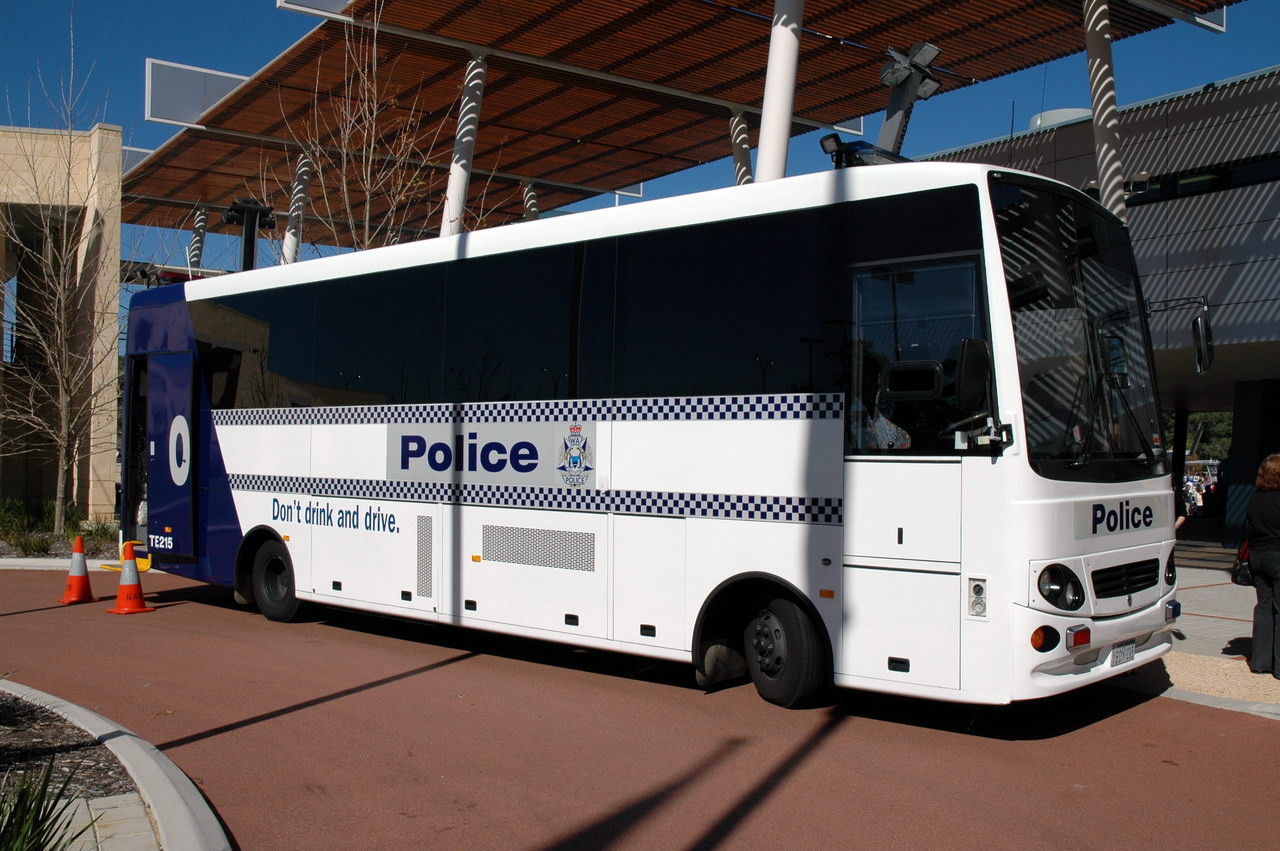
Australia uses ‘booze buses’ – mobile, accredited police stations equipped with the full suite of testing equipment to handle hundreds of drivers a night – allowing the entire legal process to take place at the roadside.
Could Cayman adopt similar measures?
To bridge a testing gap of this magnitude, the Cayman Islands would likely require a multimillion-dollar investment to establish a year-round, high-visibility random breath-testing infrastructure.
To match the enforcement intensity of Estonia, for example, the RCIPS would need to conduct roughly 62,000 breath tests per year.
This shift would require moving from suspicion-based stops to a high-volume random breath-testing model, where the recording and publication of negative tests is considered as critical as tracking arrests.
Estimates based on Australian policing models suggest establishing a single mobile roadside testing unit could require an initial investment of roughly $600,000 to $800,000.
Ongoing staffing and operational costs, including a dedicated team of officers, could exceed $1 million annually. However, government spends tens of millions of dollars annually on healthcare costs for people who don’t have full insurance, including victims of vehicle accidents. Beyond the economic productivity loss, each local tragedy risks driving households into financial hardship.
Regional experts acknowledge that small island jurisdictions face different challenges, including limited police resources, but say the fundamental advice to governments remains to make enforcement visible, frequent and unpredictable. And they argue that changing the law to allow random testing is an important first step.
The World Health Organization’s SAFER campaign focuses on reducing drink-driving as one element of wider efforts to cut alcohol-related deaths and illness.
Raul Martin del Campo Sanchez, advisor on alcohol and psychoactive drugs for WHO’s regional arm, the Pan American Health Organization, said effective policies begin with strong legislation and consistent enforcement.
“Random breath-alcohol testing should be visible, frequent and widely publicised to maximise their impact,” Sanchez said.
“The perception of risk increases when enforcement is unpredictable, visible and frequent.”
PAHO also recommends a lower BAC limit of 0.05, alongside consistent enforcement and clear sanctions, including immediate driving licence suspension.
Globally, the Caribbean lags behind much of the rest of the world on many of these points. But that is starting to change, with several countries adopting stronger enforcement regimes in line with WHO recommendations.
According to data compiled by the World Health Organization’s Global Alcohol Policy Observatory, Belize, Jamaica, Suriname, and Trinidad and Tobago allow random breath testing, while Antigua and Barbuda and Suriname operate sobriety checkpoints.
National Road Safety Committee Chairman Eric Bush said the issue of random breath testing is under review.
“We are aware of the international evidence supporting random breath testing as an effective deterrent to impaired driving,” Bush said.
“At present, the Cayman Islands’ legislation does not provide for random breath testing.”
Related Videos









This confirms we not only have large numbers of motorists driving well over the speed limit and getting away with it, but the same situation with drunk drivers, we have irrefutable evidence of this.. We need to spend more on recruiting additional police officers instead of spending millions on extending the runway which is of doubtful benefit.
Much more traffic enforcement is required, period! Even where speeding is commonplace there is often little police presence. I drive from the eastern districts to GT often, and usually don’t see the police, or don’t see them actively engaging in traffic enforcement. Though I do see lots of illegal driving happening on our roads.
More police, more enforcement and more unmarked vehicles! The police driving around with bright blue lights that are seen from a mile away does nothing to stop those illegal drivers!
What are the demographics of vehicle accidents involving alcohol? Is it largely residents or short-time visitors? Do the bars limit the number of drinks a person can consume on site? Does Cayman have a mandatory DUI education program for serious violators?
A more efficient and cheaper way to catch drunk drivers is to stop them after they leave the hundred plus watering holes scattered all over the island. Not using indicator, swerving, on your phone, exceeding the 25mph speed limit are all reasons of stopping someone