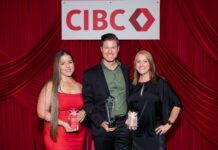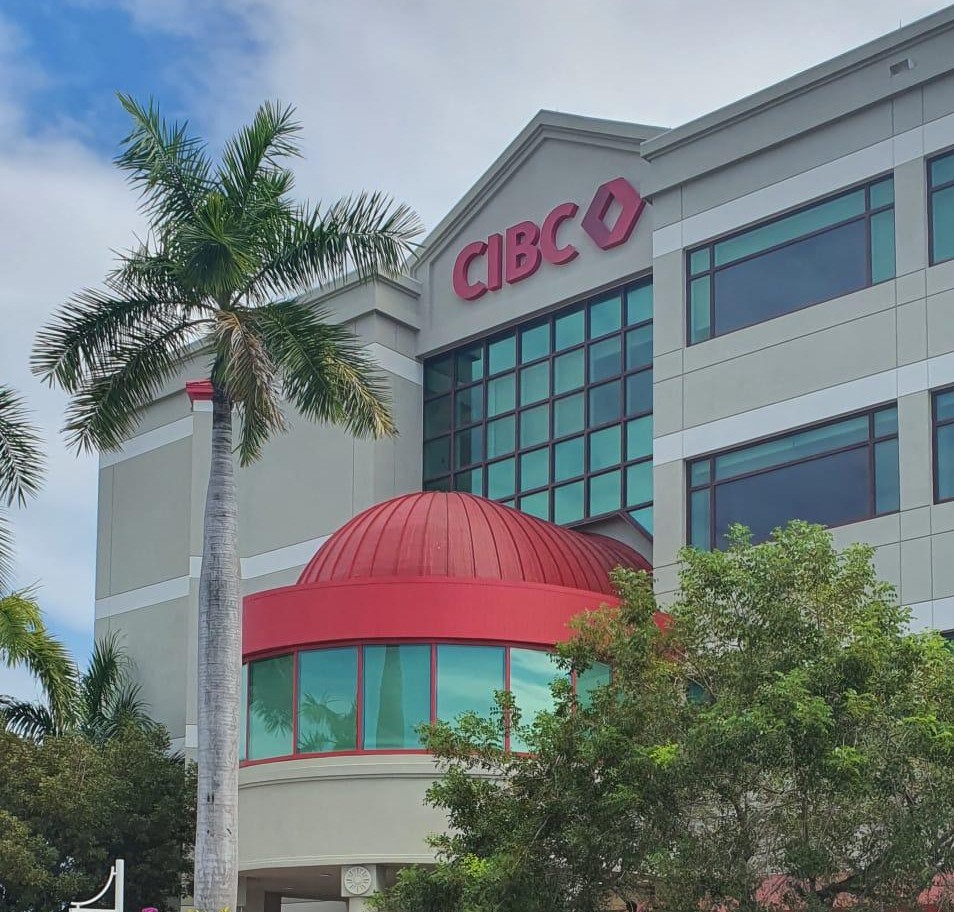
For Gemel Sobers, who was appointed as CIBC Caribbean’s Cayman country head in 2025, the Cayman Islands offers numerous opportunities unique to the jurisdiction.
The 2025 decision to create a Cayman-focused country head was part of a regional move that saw CIBC do the same each of its 10 Caribbean markets.
“We wanted to bring leadership accountability, performance management and client relationship management closer to each market,” said Sobers.
That model allows Sobers to focus on Cayman’s unique market. “Cayman has almost a dual banking sector,” said Sobers. “You have the Class A banks dealing with retail and domestic banking. Then you have the international side, which is not local business, but includes funds and international corporations banking here.

“That international market is much larger in terms of assets than the domestic one,” said Sobers. “Cayman is a global financial centre in a very small jurisdiction.”
The international and local components of Cayman’s banking sector need different banking services, said Sobers, noting that the “funds, trusts, special purpose vehicles and international corporates” create demand for “cash management, foreign exchange, custody and guarantees. That sector is substantial in terms of banking services, even if lending activity is more limited”.
Meanwhile the local part of the banking market creates demand for loans. CIBC Caribbean has a strong book of mortgages in Cayman and also supports building projects. “In the domestic sector, real estate is a major driver and is more dependent on lending. There is also strong international demand for real estate here, which is evident in ongoing development. You can see the building everywhere. We are also seeing hospitality and tourism, with projects like ONE | GT and the Grand Hyatt.”
Iran War impact
The sustained energy shock caused by the ongoing Iran War is rapidly reshaping the global macroeconomic environment. The US Federal Reserve rate fell in 2025 and most analysts expected further cuts in 2026. But with higher energy prices pushing up inflation it now seems that rates will stay higher for longer.
“Higher rates mean banks can earn higher interest margins on assets, but there is more than one side to that,” said Sobers. “In the short term it can be positive for banks, but if rates remain elevated, economic activity may slow.
“When rates are high, borrowers can come under more pressure, and banks also may need to increase deposit rates,” said Sobers. “So, it is not simply that banks benefit from higher rates, without broader impacts. If rates stay higher, we are likely to see slower growth.”
The shift to ‘green financing’ is another trend that is being challenged by the Iran War. Countries are now scrambling to secure oil and gas supplies and spending more per barrel of oil. Meanwhile the hype surrounding AI has seen companies plan US$9 trillion worth of energy-hungry data centres. But while Sobers acknowledges that the conversation has “evolved” he is adamant that sustainability is still a priority for CIBC Caribbean.
“Last year CIBC Caribbean closed more than US$180 million in sustainable finance transactions in the region, and we continue to work actively in that area,” he said. “When you think about climate risk, it is not going away. While public discussion may shift at times, sustainability remains necessary. I would not say it is being replaced. The Caribbean cannot afford not to address it.”
Related Videos