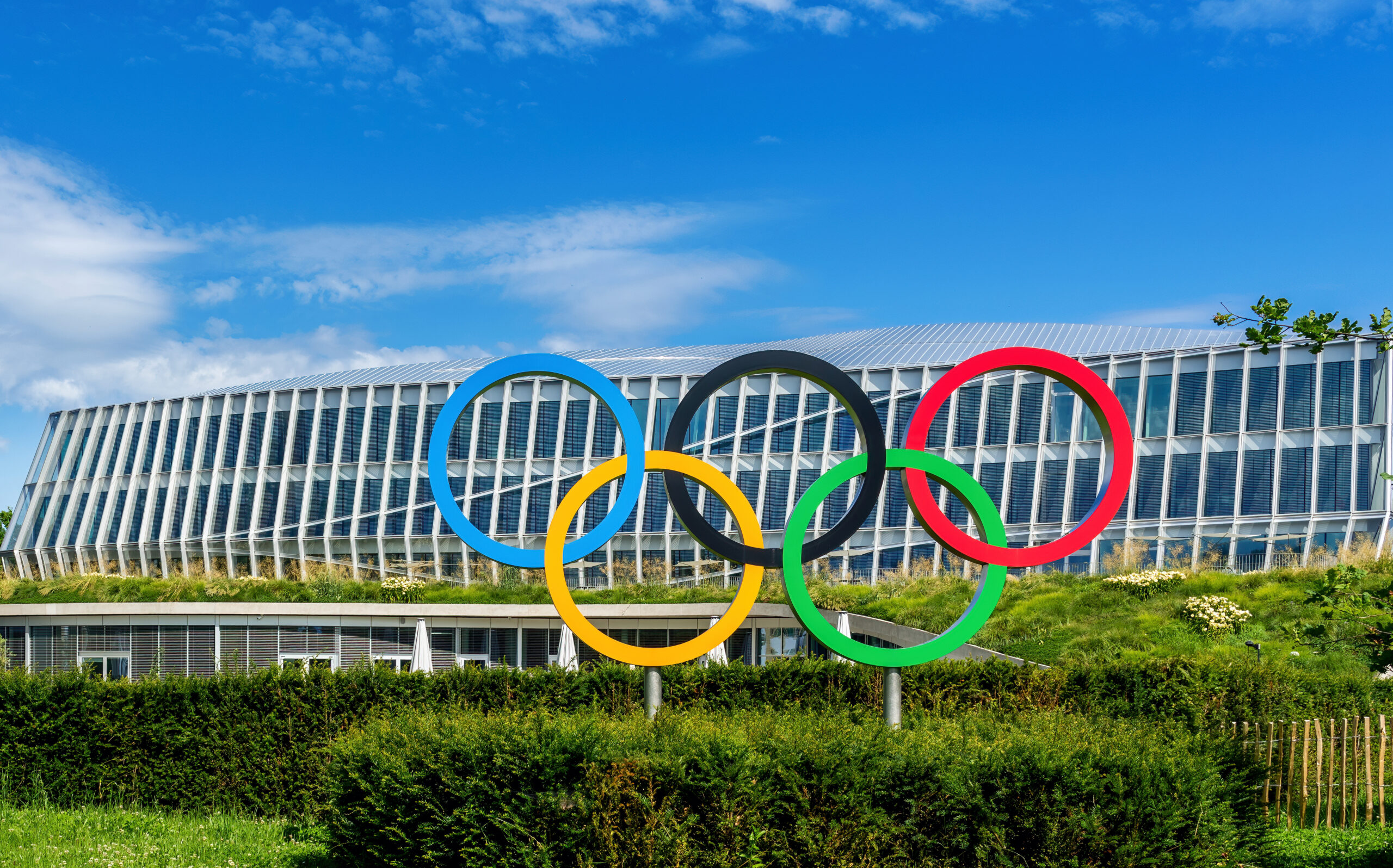
The International Olympic Committee has taken a definitive step in shaping the future of elite competition by unveiling a new policy designed to protect the female category in Olympic sport.
Approved by the committee’s executive board on 26 March, these guidelines will officially go into effect starting with the Los Angeles 2028 Summer Games.
“The policy explains that, for all disciplines on the sports programme of an IOC event, including the Olympic Games and for both individual and team sports, eligibility for any female category is limited to biological females,” said an International Olympic Committee press release.
Bernie Bush, president of the Cayman Islands Olympic Committee, shared his thoughts about the policy, saying, “When it comes to sports, especially with women, it must be fair. I do not care what they do, most men are physically superior to women, and it shows up more in the strength sports … so I agree with the IOC, and I am happy that they have done it, and I hope they’ve put it to rest.”
How the policy works
To maintain this standard, the committee will implement a one-time screening for the SRY gene, a component of DNA typically associated with male development.
“Based on scientific evidence, the IOC considers that the presence of the SRY gene is fixed throughout life and represents highly accurate evidence that an athlete has experienced male sex development. Furthermore, the IOC considers that SRY gene screening via saliva, cheek swab or blood sample is unintrusive compared to other possible methods,” the press release said.
“Athletes who screen negative for the SRY gene permanently satisfy this policy’s eligibility criteria for competition in the female category. Unless there is reason to believe that a negative reading is in error, this will be a once-in-a-lifetime test.”
The policy does allow for rare medical exceptions, such as athletes with Complete Androgen Insensitivity Syndrome who do not receive any performance-enhancing benefits from testosterone.
Meanwhile, athletes who screen positive for the SRY gene remain fully welcome in the Olympic Movement; they continue to be eligible for male categories, mixed-gender events, or open classifications that do not group participants by sex.
This move is intended to safeguard the fairness, safety and integrity of women’s sports on the world’s biggest sports stage.
In the press release, Kirsty Coventry, IOC president, said, “As a former athlete, I passionately believe in the rights of all Olympians to take part in fair competition. The policy that we have announced is based on science and has been led by medical experts.
“At the Olympic Games, even the smallest margins can be the difference between victory and defeat. So, it is absolutely clear that it would not be fair for biological males to compete in the female category. In addition, in some sports it would simply not be safe.”
She added, “Every athlete must be treated with dignity and respect, and athletes will need to be screened only once in their lifetime. There must be clear education around the process and counselling available, alongside expert medical advice.”
Crucially, the committee clarified that this policy is not retroactive and does not apply to grassroots or recreational sports programmes.
“This policy should be adopted by International Federations and other sports governing bodies, such as National Olympic Committees, National Federations and Continental Associations, when exercising their responsibility in implementing eligibility rules in relation to IOC events only,” said the release.
“It replaces all previous IOC statements on this matter, including the Framework on Fairness, Inclusion and Non-discrimination on the Basis of Gender Identity and Sex Variations.”
Additional reporting by Seaford Russell Jr
Related Videos