

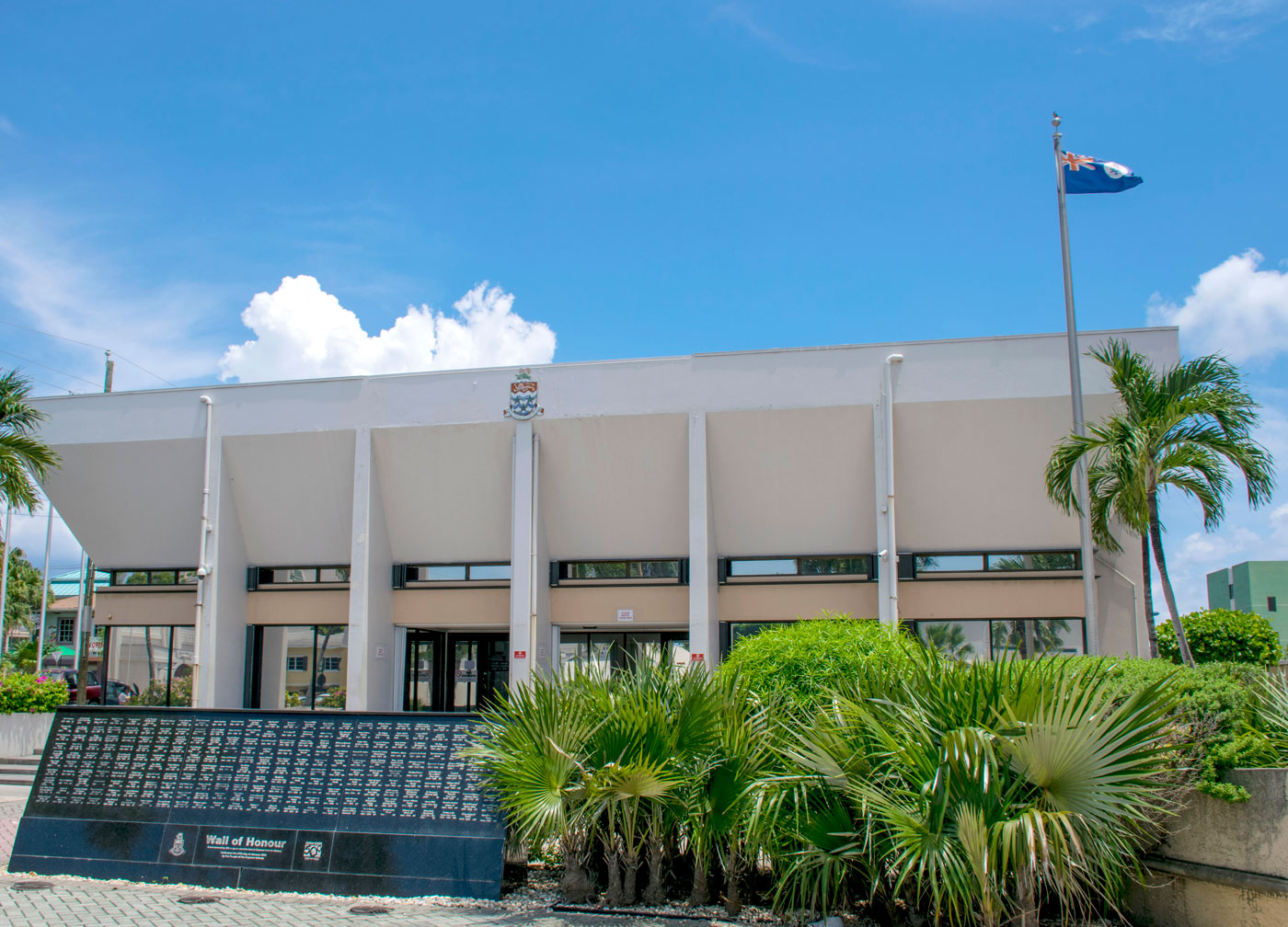
On 12 May the Court of Appeal ruled that Air Arabia, which previously submitted a claim in the ongoing Abraaj Holdings liquidation, is subject to the full extent of Cayman insolvency law. It refused Air Arabia leave to appeal, clearing the way for the Abraaj Holdings liquidators to pursue a US$700 million ‘Section 147’ claim against Air Arabia for allegedly knowingly being a party to fraudulent trading.
Air Arabia does not own any offices in Cayman or operate in the jurisdiction. As such, Air Arabia’s lawyers tried to argue that it was not subject to the Abraaj liquidation proceedings taking place in Cayman. Yet Justice of Appeal John Martin, with the agreement of Justices of Appeal Jack Beatson and Anthony Smellie, ruled that because Air Arabia had previously submitted a proof of debt in respect to money it claims is owed to it by Abraaj, then it was subject to the jurisdiction in all aspects of that liquidation.
The importance of the ruling extends beyond the Abraaj case because it reinforces the credibility of Cayman’s insolvency laws. The legal precedent was already well established in English law but this was the first time it was tested by a case in Cayman by a party seeking to argue that submission to the Cayman Islands jurisdiction by the filing of a proof of debt in a liquidation did not amount to a submission to the jurisdiction in respect of a claim under Section 147.
Cayman consequences

Shelley White, a Walkers partner who specialises in insolvency disputes, said, “Both the Grand Court and the Court of Appeal have clarified that they will not allow parties who have assisted Cayman entities anywhere in the world in fraudulent trading to file a proof of debt here, obtain the benefit of the liquidation, and at the same time try to avoid liability under section 147 on jurisdictional grounds.”
She added, “What this demonstrates is that if somebody wants the benefit of Cayman’s sophisticated liquidation system, they must also accept the potential downside for them, which is the possibility of liability to contribute to the estate.”
It’s a niche ruling, which will probably only garner the attention of a select group of lawyers, but White believes it’s a small example of what makes Cayman a serious international financial centre.
“People register companies here because we are tax neutral, but when things go wrong there are serious legal consequences and we have a very well-established court system dealing with those consequences,” she said.
Related Videos













Good news, but Cayman’s reputation for being a serious international financial centre is under serious threat, because:
1. NCFC have made this a increasingly hostile place to recruit experienced and credible lawyers, in Myles’ xenophobic crusade against expats (e.g. requiring 5 years’ experience rather than 3; penalising people if they change job within 2 years; the ludicrous Kafka-esque bureaucracy of Business Staffing Plans; the exorbitant increase to driving licence fees, etc.)
2. The Financial Services Division (FSD) of the court operates out of decrepit old buildings, rather than a custom-build FSD like the Rolls Building in London. Something like the latter should be built at Camana Bay (which would provide parking, no tourist infestation, and first world facilities around it).