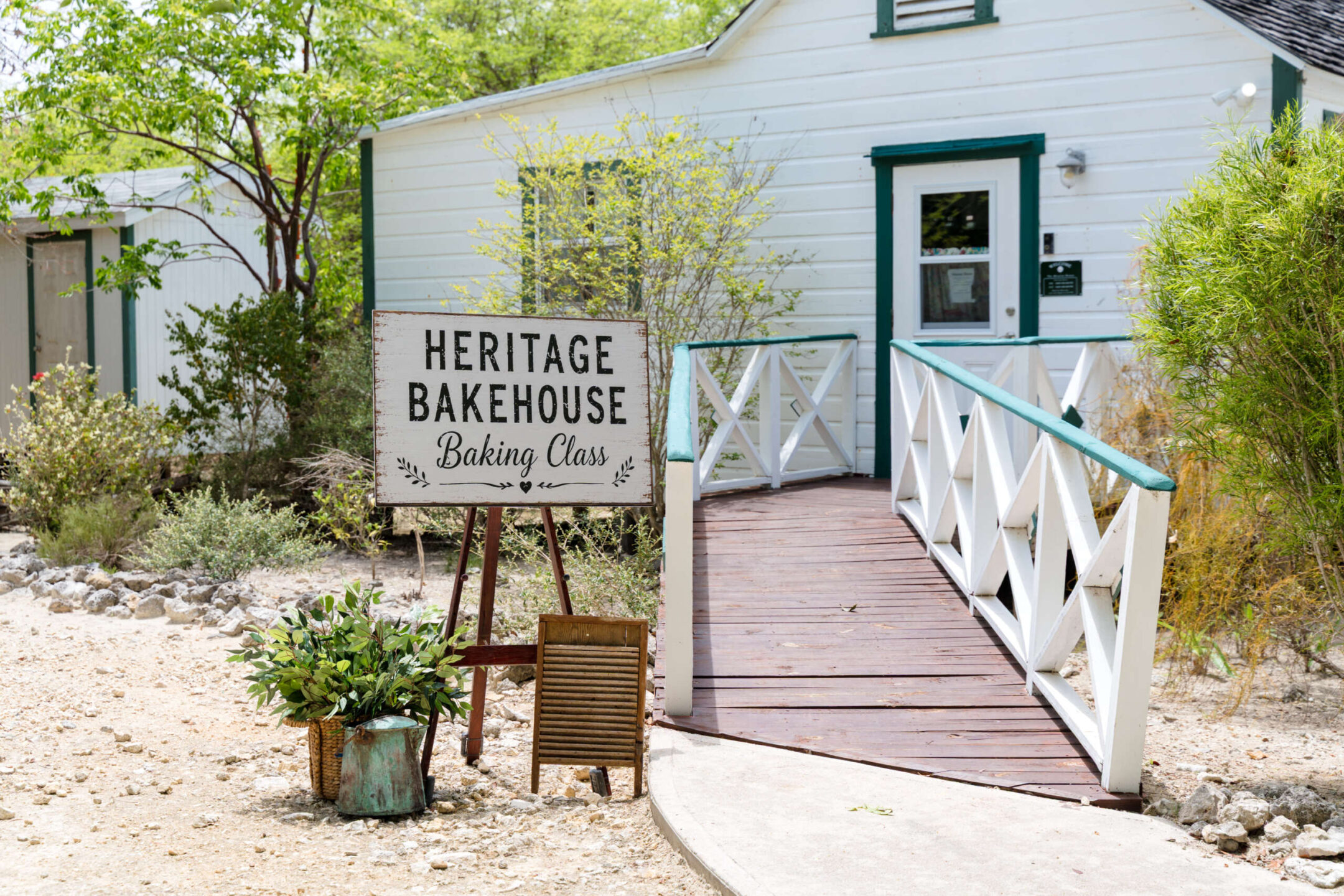
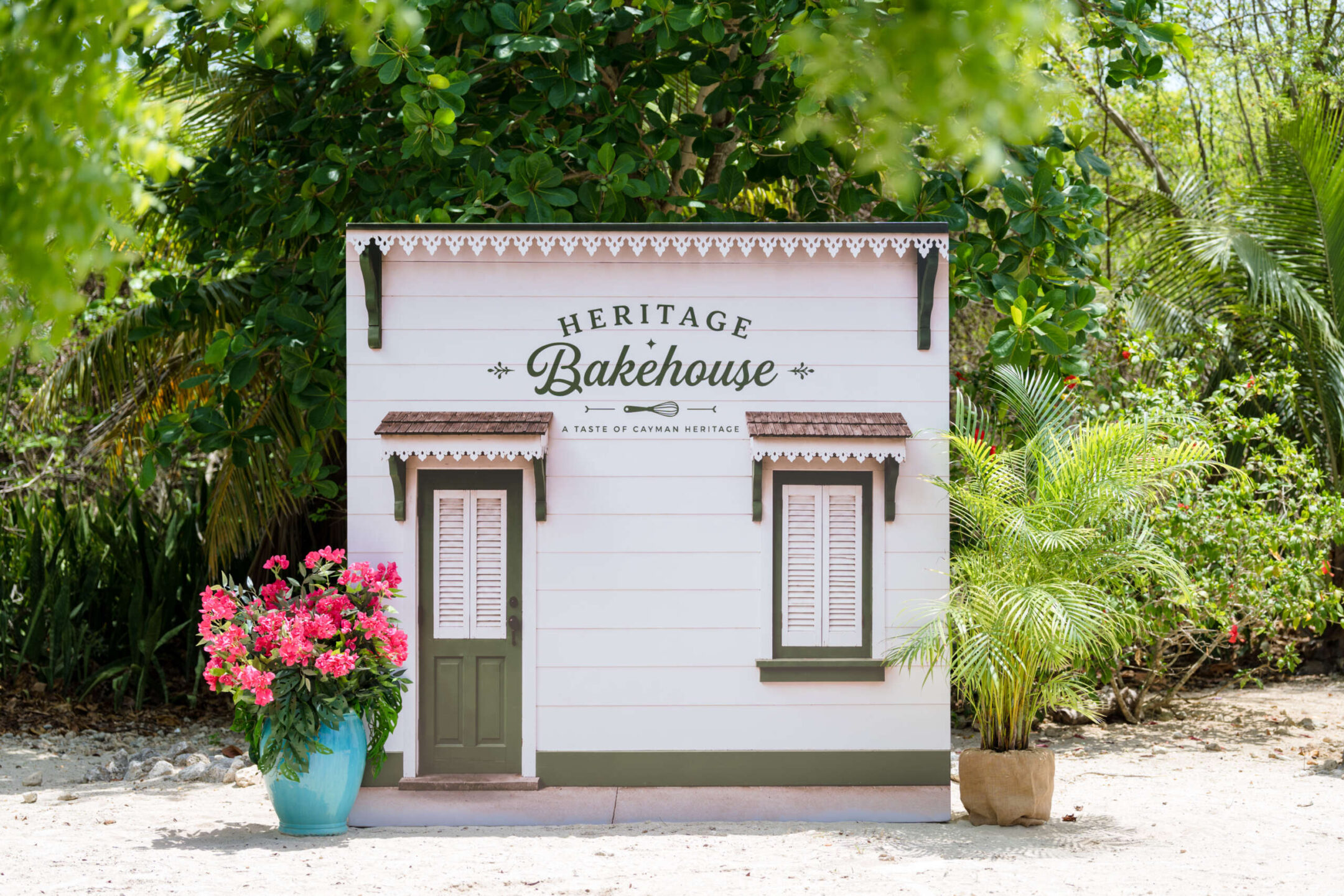
Visitors interested in learning about Caymanian culture and history are now able to get a taste of both – quite literally. The Cayman Islands Department of Tourism has teamed up with the National Trust for the Cayman Islands to offer lessons in how to bake the perfect cassava cake as well as providing guided tours around the historic Mission House in Bodden Town.
The experience, called The Heritage Bakehouse at The Mission House, is aimed at tourists but anyone interested in immersing themselves in this age-old Cayman tradition is more than welcome.
Carol Britton, tourism development supervisor at the Department of Tourism, said the goal was simple.
“We want visitors to experience Cayman in a way that goes beyond the sea,” she said. “We know that we have fabulous beaches, but there is more to us than that. We want visitors to meet our people, hear our stories and fall in love with our heritage.”
Classes start on Wednesday, 10 June and for a limited time, will be free to join thanks to the Department of Tourism sponsoring the event.
Britton said that the Mission House, which used to be a hub of community life thanks to the missionaries, teachers and families who helped shape Cayman’s early civic and educational history, was the ideal spot for this traditional Caymanian baking experience.
National dessert
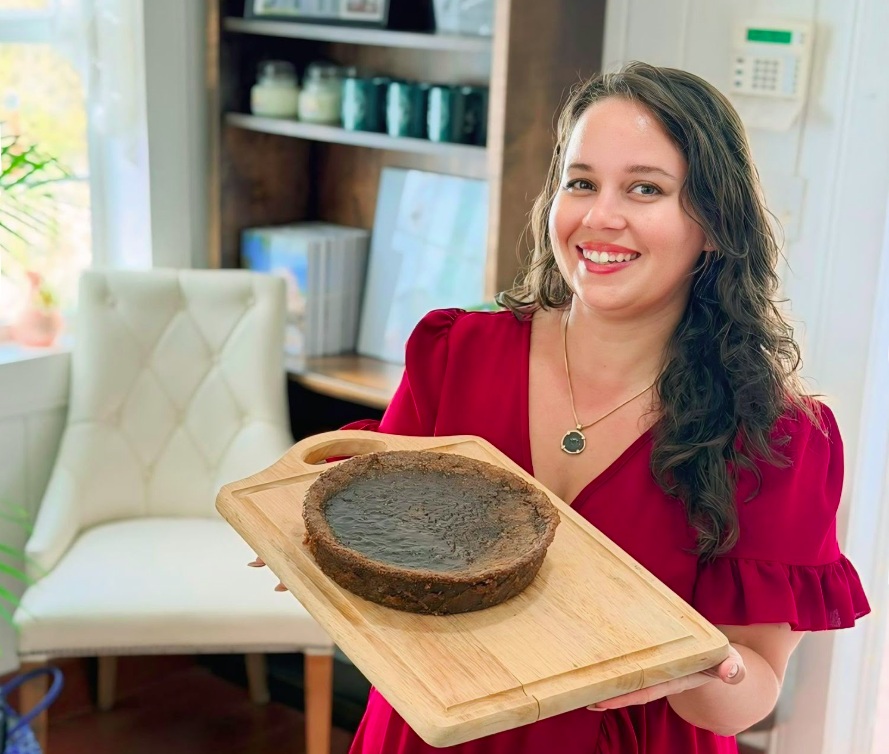
Being the official national dessert of the Cayman Islands, cassava heavy cake – heavy because there is no rising agent such as yeast – is the perfect dish to bake. Dark, dense and irresistibly sweet, cassava cake is made from coconut milk, brown sugar, vanilla, spices and of course, the grated starchy cassava root itself.
“Cassava cake is the kind of dessert which proves that Caymanians were doing slow food long before it was trendy,” said Britton. “It’s rich, it’s comforting, and it’s as Caymanian as it gets.”
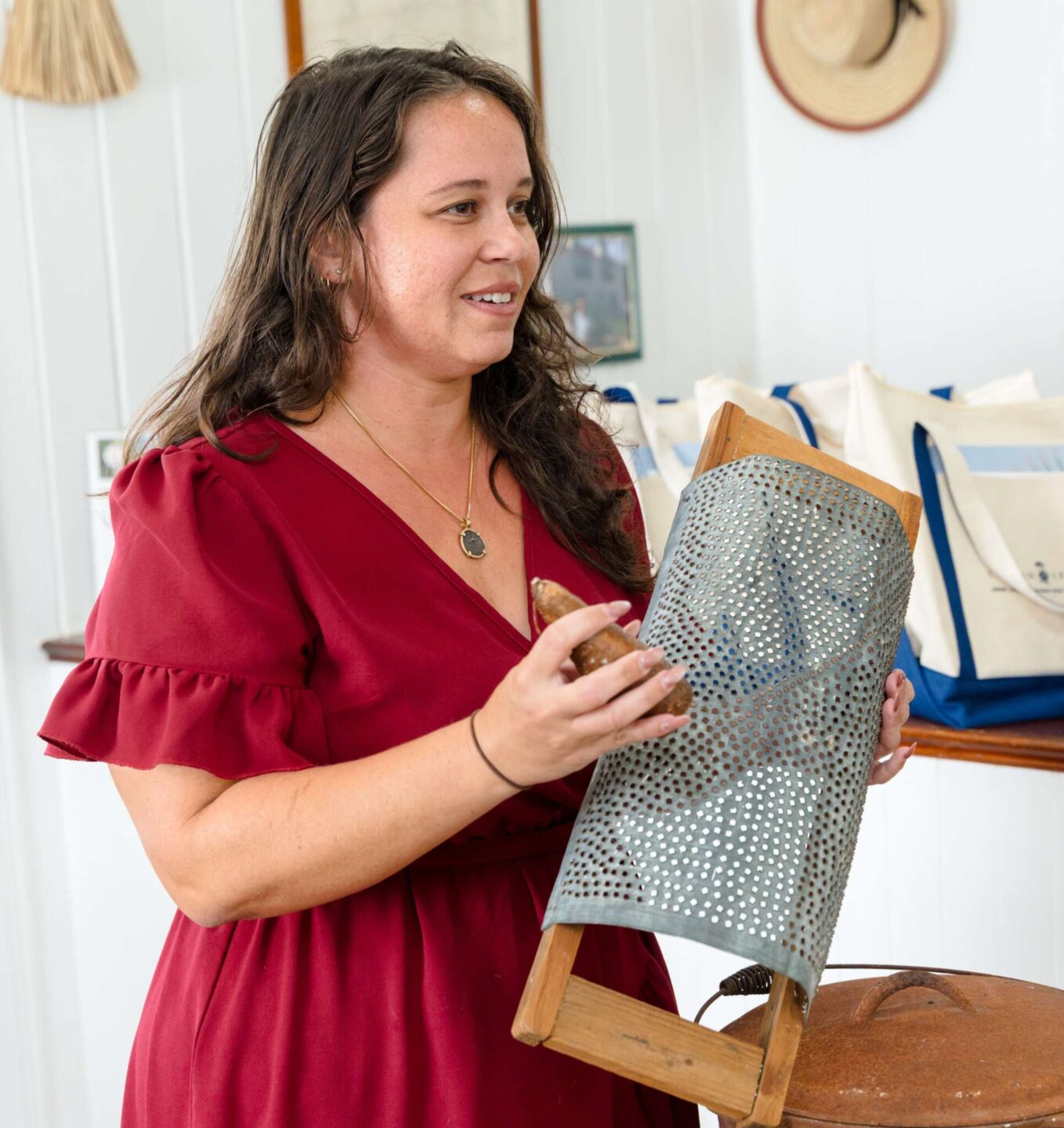
The classes are going to be led by chef Elizabeth Larsen, owner of Jazzy Cakes, who said that this traditional cake – eaten all year round but especially at Christmas – was very special to her.
“It’s something that was handed onto me from my grandmother and her mother before, and I’ve been baking it with her since I was quite small,” she said. Larsen still has the original grater that her grandmother once used.
“A lot of people just didn’t have that person to teach them, or have the time to learn or to bake, so I do feel like it’s slowly dying out,” said Larsen. “I feel it’s my civic duty to pass on my knowledge. Everyone should know how to make a cassava cake!”
Variety of recipes
While it’s a simple cake to make, Larsen admitted that there were “probably tonnes” of different cassava cake recipes.
“My family’s from the Brac, so this is probably more how Brackers make their cassava cake,” she said. “There’s many different types of heavy cake too. You can make a heavy cake out of anything, any kind of root vegetable, or even fruit, such as papaya, sweet potato, even pasta or crackers. But if you’re using something which doesn’t inherently have starch in then you have to add some, as that’s what gives heavy cakes their dense, stretchy texture.”
The cake is traditionally dairy-free and gluten-free, so it is suitable for many dietary requirements, and if you want to make the texture even more stretchy, then just add some water.
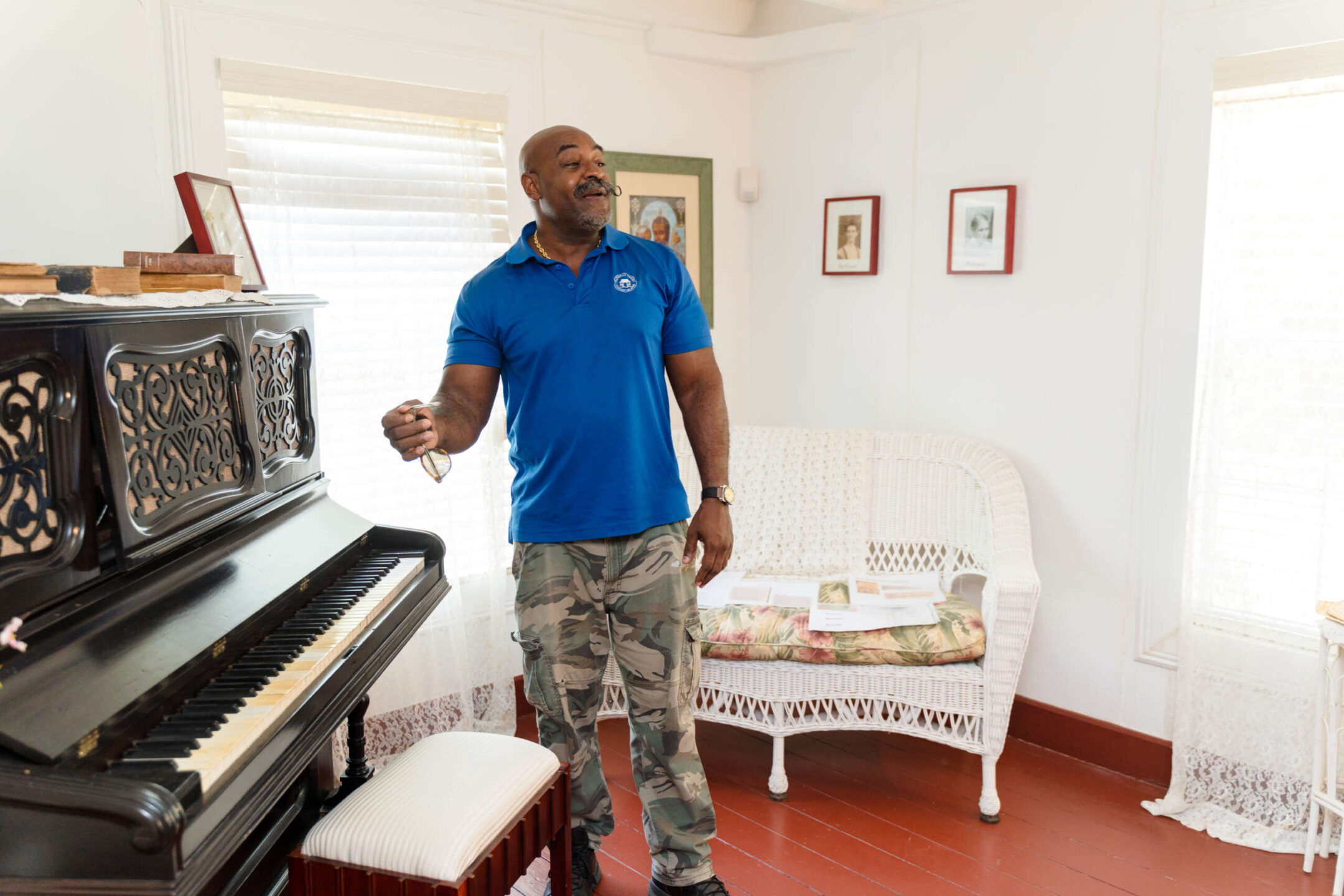
While the cakes bake in the oven, class participants will be treated to a guided tour of the Mission House itself. National Trust historic programmes manager Stuart Wilson said that holding the classes on a Wednesday means they are hoping to attract visitors who often travel to and from Cayman on the weekend.
The National Trust has 12 properties across the islands, but Wilson describes the Mission House as the “ground zero” of many of the Trust’s cultural exchange programmes, with arts and crafts experiences and thatch rope making classes held there as well as the new baking classes.
Wilson will show visitors around the landmark house, first built in the 1700s and fully reconstructed after Hurricane Ivan, containing fascinating photos, maps, furniture and clothes from Cayman’s history.
After the tour, visitors will head back to the kitchen to glaze their creations with coconut milk and brown sugar before finally being able to taste the fruits of their labours.
Compass tries out … making cassava cake
Having tried and enjoyed cassava cake at various food festivals across islands since I arrived here two years ago, I felt it was about time I learned to make it for myself. Thankfully chef Elizabeth Larsen’s class assumes no baking knowledge or skills. She has kept things simple by pre-weighing all the ingredients, and – unlike Elizabeth’s grandmother – I don’t even have to grate my own cassava.
“The good thing about cassava cake is that there’s a lot of room for error, so it’s very hard to mess up,” said Larsen comfortingly.
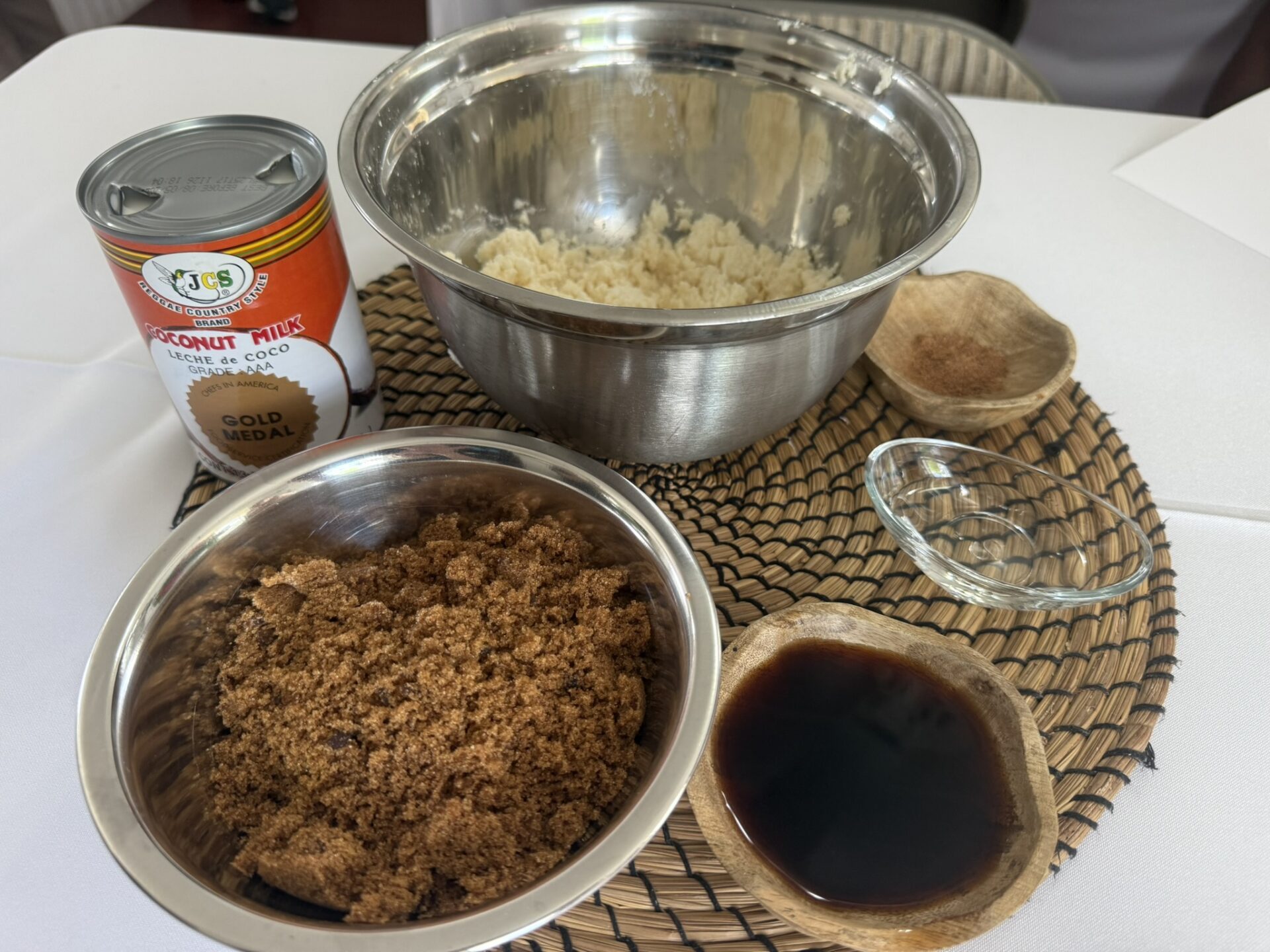
As instructed, I added the coconut milk to the cassava and stirred thoroughly, adding brown sugar, coconut oil, vanilla, nutmeg and a pinch of salt. After stirring it all together, it was done! Well, almost, I still had to pour the mixture into the cake containers provided – a little coconut oil in each one prevents it from sticking – and then put into the oven for around 45 minutes.
This was the perfect interlude, then, for a guided tour around Mission House itself conducted by Wilson, who brought 18th and 19th century Cayman to life for the assembled group.
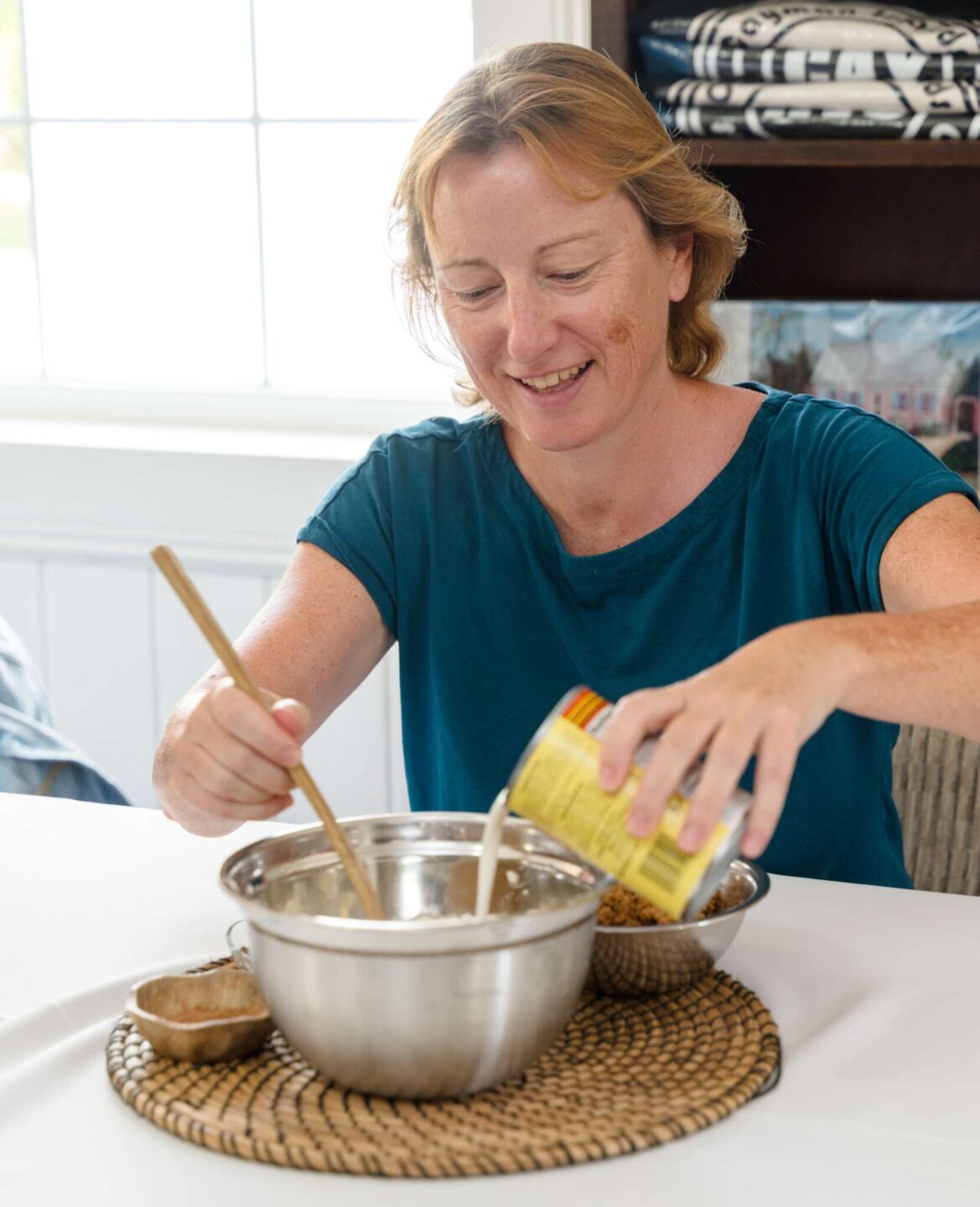
Then it was back to the kitchen to watch Larsen take our steaming cakes out of the oven for glazing before they re-emerge a few minutes later, bubbling and glistening. Needless to say, once they are cool enough to eat, they taste delicious.
I ask the crucial question, “How long does cassava cake last?”
This stumped everyone in the room.
“I don’t know,” said Britton. “I’ve never had it long enough to find out!”
The Heritage Bakehouse at Mission House Cassava Cake Baking Classes take place on Wednesdays 2-4pm and are free to join. Click here to sign up
Related Videos