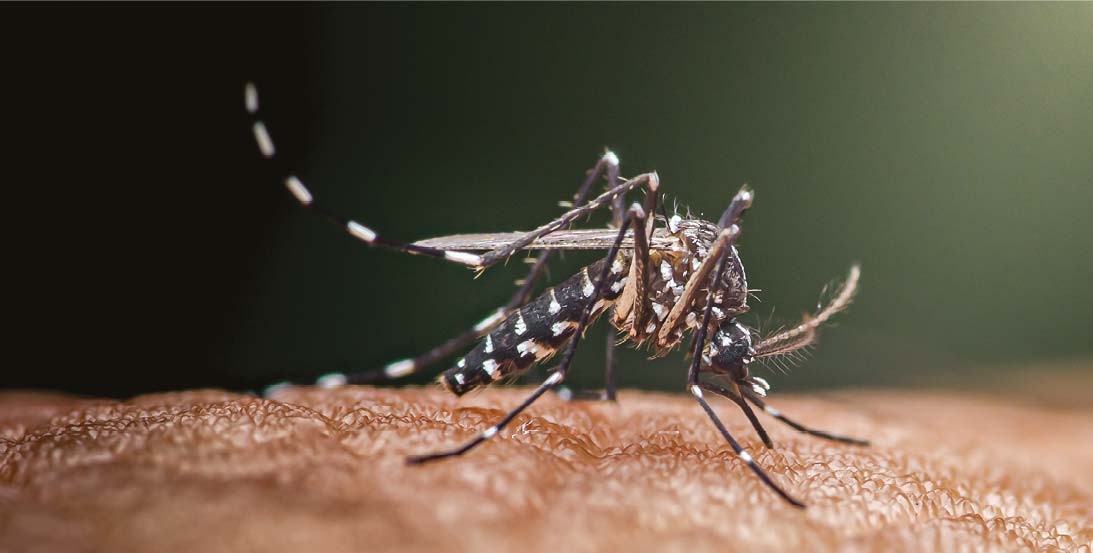
It is important to know the threats from mosquito-borne viruses and how to prevent being bitten and infected.
There has been a recent outbreak of chikungunya, and an uptick of dengue, in Cuba as well as areas of South and Central America, making it important for people in the Cayman Islands, and those travelling to affected areas, to be on their guard.
Chikungunya and dengue are spread by mosquitoes, as is Zika – viruses which can, and have, affected Cayman, posing threats of serious illness.
The Public Health department and the Mosquito Research & Control Unit monitor for these episodes, taking the appropriate educational, preventative and treatment measures should there be an imminent or actual outbreak.
The Mosquito Research & Control Unit also undertakes regular mosquito control operations to suppress mosquitoes and protect against mosquito-borne diseases.
How viruses spread
Diseases are spread by mosquitoes acting as vectors of a virus. They transmit the infection when the female insect bites one person who has the virus and then bites another person, thereby transferring the virus.
The Aedes aegypti mosquito, which is an invasive species in the Cayman Islands, is a well-known vector of these illnesses.
Many other types of mosquitoes that live in Cayman cause a nuisance but are not carriers of these dangerous viruses.
During known outbreaks of any of the following viruses, ensure to cover up and keep indoors just after sunrise and before sunset, when the Aedes aegypti is most active.
Prevent mosquitoes from breeding
Residents should check their property at least once a week and empty any standing water from containers such as tyres, buckets, plant saucers, gutters and any other items that can collect water.
Keeping yards clean and free of debris, covering or properly storing water storage containers, and ensuring drains are clear, can make a big difference.
It’s important to remember that mosquitoes do not need much water to breed. Even something as small as a bottle cap holding water for about a week is enough for them to complete their life cycle.

Regional mosquito-born virus risks
Chikungunya
What is it?
Viral disease spread to humans by infected mosquitoes.
How does it spread?
Through the bites of infected mosquitoes, usually Aedes aegypti and Aedes albopictus.
Symptoms
After bite, onset of illness usually occurs from 2 to 12 days, and more often between 4 to 8 days. Symptoms include fever, severe joint pain, muscle pain, headache, nausea, fatigue and rash. Occasional cases of eye, neurological and heart complications, gastrointestinal complaints. Often, symptoms are mild, but elderly people can experience complications which could contribute to cause of death.
Treatment
No specific cure. Treatment focused on relieving symptoms.
Prevention
Mosquito control efforts and protection from mosquito bites.
Dengue
What is it?
A mosquito-borne viral infection. Cayman has suffered periodic outbreaks of dengue, although the disease is not endemic to these islands.
How does it spread?
Transmissions by bites of Aedes aegypti and Aedes albopictus mosquitoes. Transported to new areas by infected travellers. Evidence of possible maternal transmission.
Symptoms
Incubation period of 4 to 10 days. Symptoms usually last 2 to 7 days. They range from asymptomatic to severe flu-like symptoms, including high fever, headache, pain behind eyes, muscle and joint pain, nausea, vomiting, swollen glands, rash. Severe dengue can cause serious bleeding, organ damage and risk of death.
Treatment
No specific treatment. Early detection and medical care by experienced professionals lowers fatality rates. Fever reducers and painkillers help symptoms. Avoid non-steroidal antiinflammatory drugs.
Zika
What is it? Mosquito-borne virus.
How does it spread?
Through the bites of infected Aedes mosquitoes. Can also be transmitted from mother to baby during pregnancy, through sexual contact, blood transfusions and organ transplants.
Symptoms
Incubation period of 3 to 14 days. Majority of people are asymptomatic, or have mild symptoms lasting 2 to 7 days. Symptoms include fever, rash, conjunctivitis, muscle and joint pain, malaise or headache. In adults and children there is an increased risk of neurological complications including Guillain-Barré syndrome, neuropathy and myelitis. Zika infection during pregnancy can cause microcephaly and other congenital malformations and is associated with preterm birth and miscarriage.
Treatment
No specific treatment or vaccine. Those with symptoms should rest, stay hydrated and treat associated aches and pains.
Prevention
Mosquito control and protection from bites.
This article originally appeared in Compass Media’s 2026 Emergency Guide.
Related Videos