Health officials are urging Cayman Islands residents to remain vigilant and ensure vaccinations are up to date as new cases of pertussis, commonly known as whooping cough, continue to be identified across the community.
The Ministry of Health and the Public Health Department confirmed Thursday in a press release, that ongoing surveillance continues to detect cases among people of different ages and in a variety of settings, prompting additional public health measures aimed at limiting further spread.
Chief Medical Officer Dr. Hilary Wolf said current monitoring indicates whooping cough remains active in the Cayman Islands, although health authorities are not seeing evidence of widespread community transmission.
“Our surveillance systems continue to demonstrate pertussis activity in the Cayman Islands and support an informed public health response,” Wolf said, adding, “Although current disease activity does not indicate wide-spread community transmission, preventing exposure among infants and other high-risk groups remains a priority.”
Health officials did not indicate how many cases had been recorded locally.
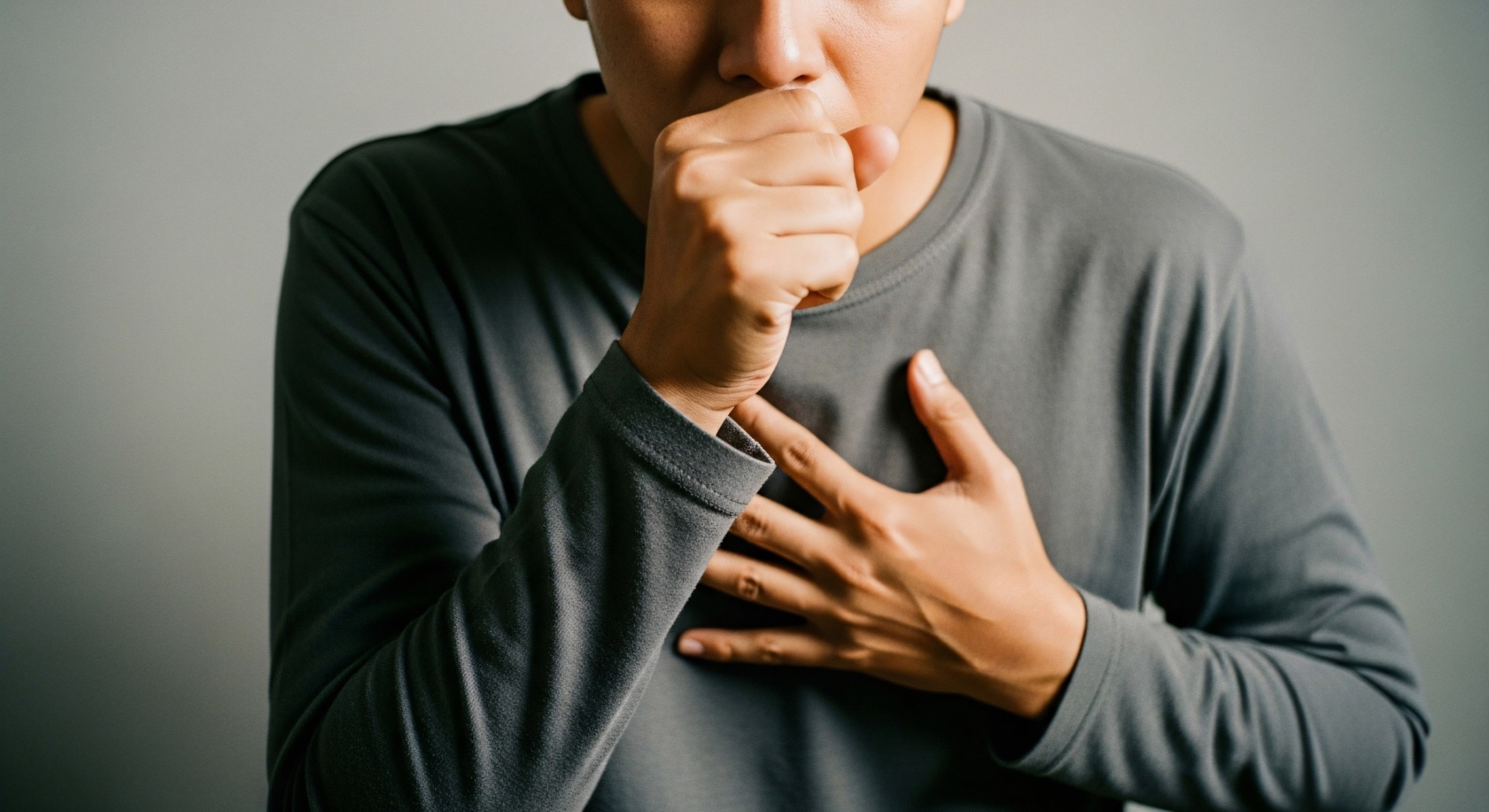
Pertussis is a highly contagious bacterial infection caused by Bordetella pertussis. The illness spreads through respiratory droplets released when an infected person coughs or sneezes. It often begins with symptoms resembling a common cold before progressing to severe coughing fits that can persist for weeks or even months, earning it the nickname ‘the 100-day cough’.
Health officials said infants who are too young to be fully vaccinated remain the most vulnerable group. Complications in young babies can include pneumonia, breathing difficulties, seizures and, in rare cases, death.
Medical Officer of Health Dr. Samuel Williams-Rodriguez noted that despite being vaccine-preventable, pertussis continues to circulate in many countries, including recent resurgences reported in the United States and elsewhere.
“Pertussis is a vaccine-preventable disease, yet we continue to see cases in the community, particularly among infants who are not yet fully protected through vaccination,” he said. “The continued identification of cases serves as an important reminder that immunisation, early recognition of symptoms, and following public health advice remain critical components of our response.”
Public health teams are continuing enhanced surveillance, case investigations, contact follow-up, targeted interventions in affected settings and public awareness campaigns. Officials are also expanding access to immunisation services.
Community outreach clinics
Additional community outreach clinics have been scheduled to review vaccination records and provide the Tdap vaccine, which protects against tetanus, diphtheria and pertussis.
The clinics will be held at the Public Health Department Clinic on Smith Road on 20 June, the West Bay Health Centre on 11 July, and the Bodden Town Health Centre on 8 Aug. All clinics will operate from 9am to 1pm.
The outreach effort is particularly focused on adolescents around 14 years old who may be due for their routine booster dose, as well as students identified through public health investigations as needing immunisation review.
Health officials are encouraging parents to bring children’s immunisation records for assessment and updating where necessary.
Whooping cough symptoms
Residents are advised to seek medical attention if they develop symptoms such as a persistent cough lasting more than a week, severe coughing fits, vomiting after coughing, breathing difficulties or the distinctive ‘whooping’ sound sometimes heard after coughing episodes.
Health officials said that anyone diagnosed with whooping cough should remain at home and avoid work, school, childcare facilities and social gatherings until they have completed recommended treatment and are no longer considered infectious.
Officials added that vaccination, early diagnosis and prompt treatment remain the most effective tools for protecting vulnerable members of the community and reducing transmission.
Related Videos