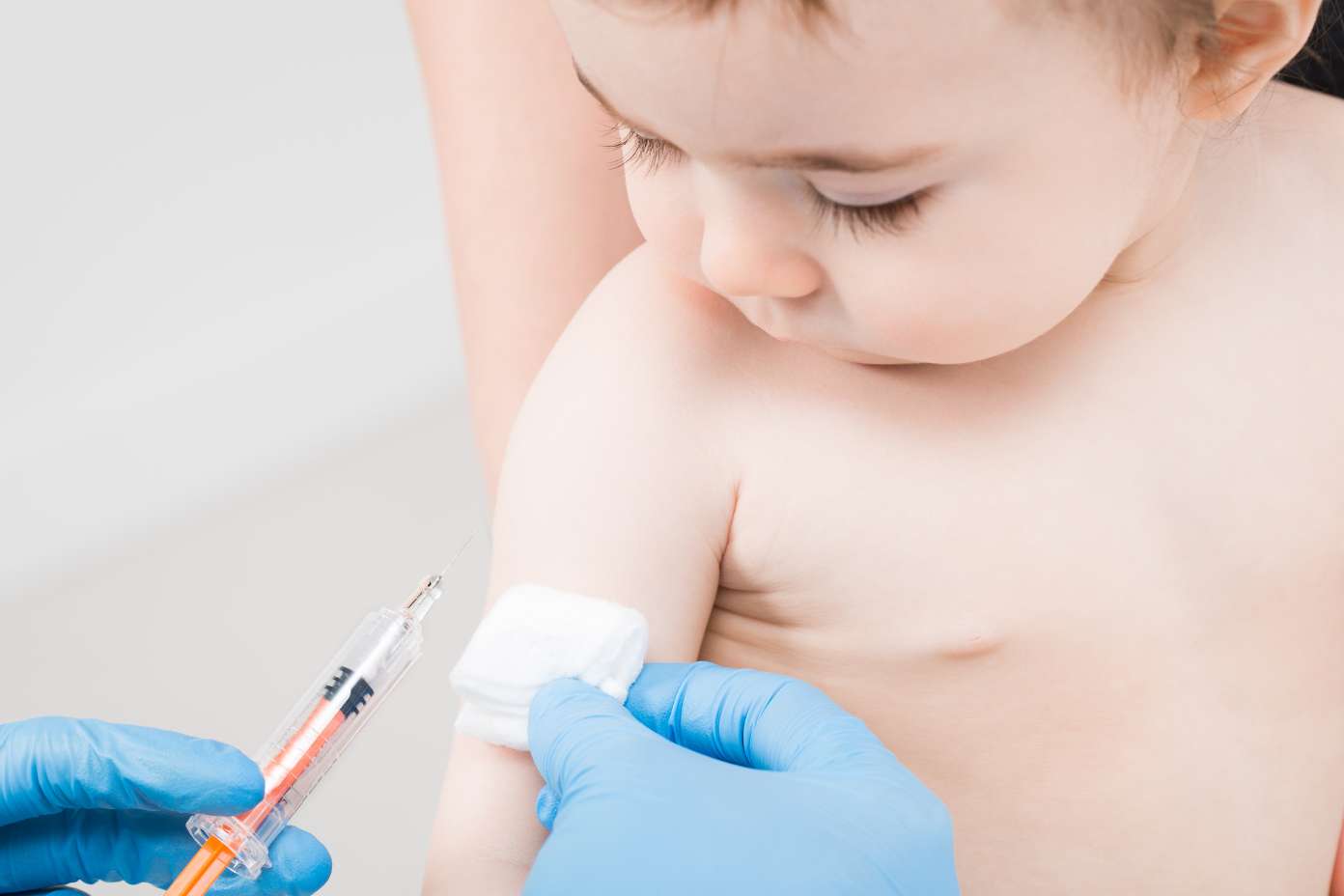
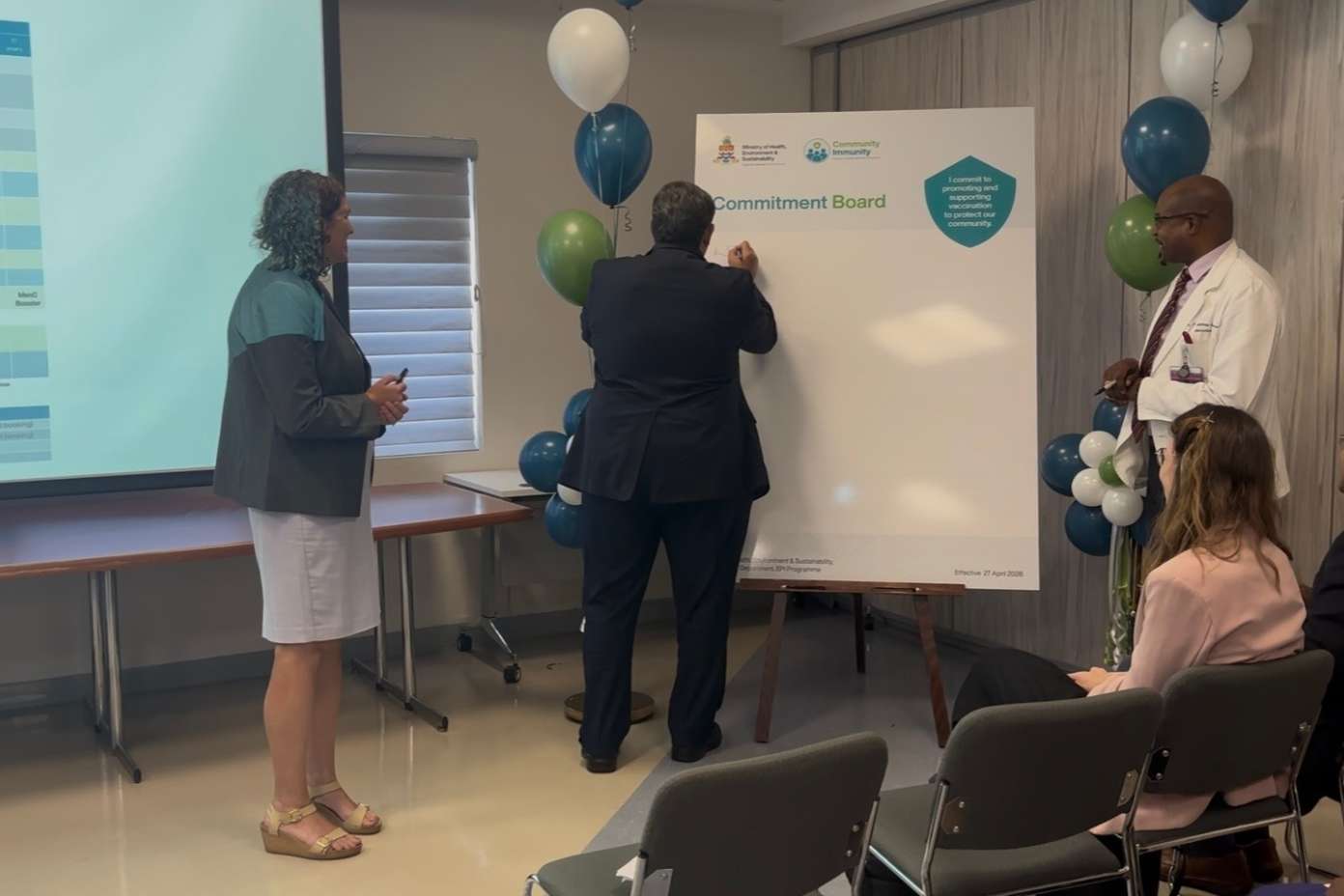
The Cayman Islands has introduced a new national immunisation framework extending protection from pregnancy through adolescence, a move officials say strengthens prevention by adopting a more integrated, life-course approach and aligning with evolving global standards.
The new schedule was formally launched at the Anthony S. Eden Hospital on 27 April, aligning with Cayman’s participation in Vaccination Week in the Americas, under the theme ‘Your decision makes a difference: Immunisation for all‘.
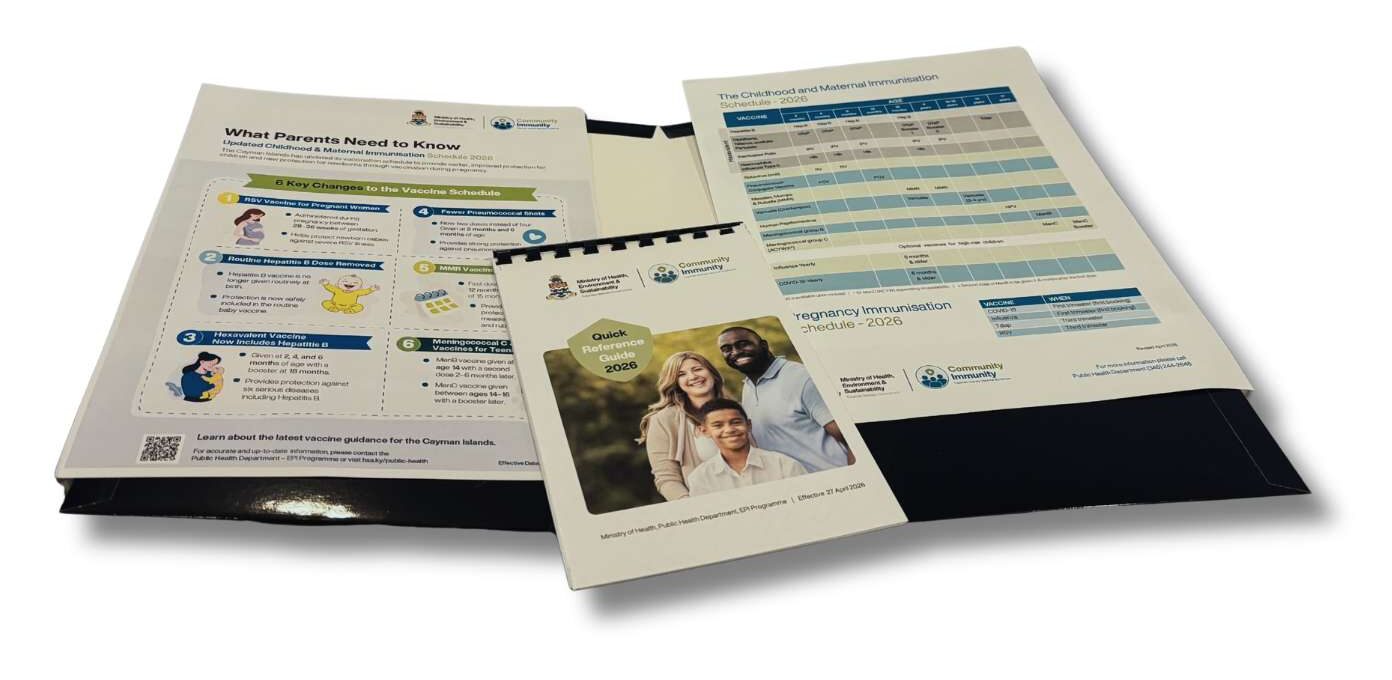
The event also introduced the ‘Community Immunity Commitment Board’, intended as a visible pledge to strengthen vaccine uptake across the population.
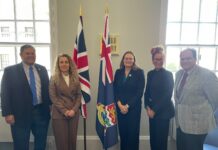
Parliamentary Secretary Wayne Panton, who attended the event on behalf of Health Minister Katherine Ebanks-Wilks, said the updated schedule reflects a fundamental principle that protection begins before birth.
“It ensures that every child, adolescent and pregnant women in the Cayman Islands has access to safe, effective protection,” he said.

Changes to the immunisation schedule
The new schedule, which replaces the previous National Immunisation Schedule with immediate effect, follows a review of international scientific evidence, epidemiological trends and global best practices.
Officials said it is designed to enhance early protection for infants, improve programme efficiency and align the Cayman Islands with modern immunisation standards.
A key addition to the schedule is the introduction of the Respiratory Syncytial Virus vaccine for pregnant women between 28 and 36 weeks’ gestation. Health officials say maternal vaccination during this period allows antibodies to pass to newborns, reducing the risk of severe respiratory illness in the first months of life.
The childhood schedule has also been revised. The hexavalent vaccine will now include protection against Hepatitis B and be administered at two, four and six months, with a booster at 18 months, removing the need for a separate birth dose.
The pneumococcal conjugate vaccine schedule has been reduced from four doses to two, while the first dose of the measles, mumps and rubella vaccine will be given earlier, at 12 months.
Changes have also been made to meningococcal vaccination. An updated formulation will replace the previous schedule, with doses targeting adolescents and booster coverage in later teenage years. Tuberculosis vaccination will now be limited to individuals assessed as high risk.
Chief Medical Officer Dr. Hilary Wolf said the revisions ensure the programme remains consistent with current evidence and strengthens early-life protection.
“These changes ensure that our national immunisation programme remains aligned with the latest global evidence and best practices,” she said. “The updated schedule strengthens early protection, introduces a life-course approach to immunisation, and reflects our ongoing commitment to safeguarding the health of our population through safe, effective, and evidence-based interventions.”
Health officials said provider briefings, updated clinical guidance and system changes are already under way to support implementation, alongside a public awareness campaign that ran from late March through April.
Community board
As part of the rollout, officials also unveiled a ‘Community Immunity Commitment Board’, intended as a public pledge to encourage uptake and reinforce vaccination as a shared responsibility.
The board was unveiled and signed by senior health officials and key stakeholders during the ceremony. Its introduction reinforces the core message of Vaccination Week in the Americas – that each decision to vaccinate contributes to the protection of the wider community.
The board will be displayed at the Government Administration Building in early May before moving to the Health Services Authority on 11 May, where stakeholders and members of the public can demonstrate their support.
The launch of the new immunisation schedule comes alongside a broader restructuring of public health governance.
Government has begun transferring the Public Health Unit from the Health Services Authority into the Ministry of Health, a move aimed at bringing disease surveillance, vaccination programmes and health data closer to national policymaking.
Related Videos