By Cayman Compass contributor Melissa Quinn

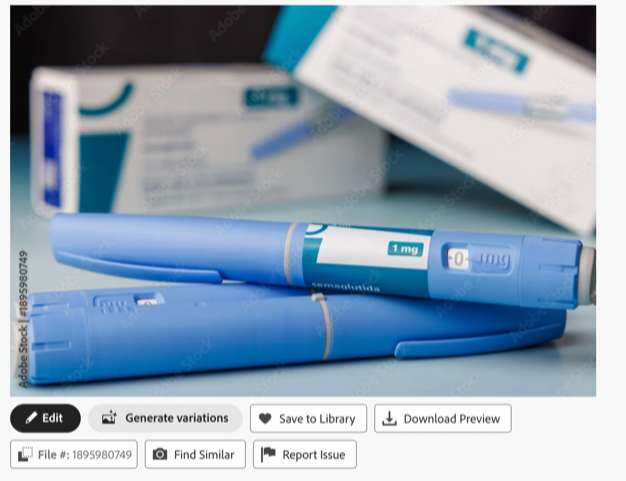
Over the past few years, GLP-1 medications have moved from the world of diabetes treatment into mainstream wellness culture, raising a question many people are quietly asking: Are we taking them because we need them or because we want to?
There is still a faux pas energy surrounding taking GLP-1s off-label. Everyone and their cousin seems to have slimmed down, either slightly or dramatically, yet few are attributing it to this new wave of weight-loss medication. It also begs the question, from a visual aesthetic perspective: Are we returning to idolising the heroin chic look of 1990s’ supermodels like Kate Moss et al? And are we concerned about how that era led many – particularly young girls and women – towards various forms of disordered eating? Now, it feels as though we are entering a time where extreme thinness is not only celebrated, but medically assisted. Should we be concerned? Or is this a true miracle drug?
There are many legitimate medical reasons why GLP-1s are useful. For those living with obesity, these drugs can feel like a godsend. Individuals diagnosed with diabetes, elevated glucose levels, non-alcoholic fatty liver disease and more are now benefiting in ways we could not have imagined. One of the most significant observations has been their ability to improve insulin sensitivity, supporting both metabolic health and hormone balance. In perimenopausal women, this has led to improvements in symptoms they may not have realised were linked to insulin resistance. In some cases, this has even contributed to what has been dubbed “Ozempic babies”, with unexpected pregnancies occurring in women in their late 30s and early 40s.
While GLP-1 medications are not a replacement for hormone therapy, some women are finding that improving metabolic health significantly reduces symptoms they assumed were purely hormonal. This highlights the importance of working with a medical professional to fully explore your health before committing to any treatment plan. Our bodies are as individual as we are, and our approach to treatment should reflect that.
Another notable benefit of GLP-1 medications is the growing evidence supporting improvements in heart health, even in individuals without diabetes. These benefits are most pronounced in those who still meet medical criteria for being overweight or obese, but they remain an important development.
GLP-1s are among the fastest-growing drug classes in modern medicine, now used by tens of millions of people globally, many of them off-label. We are no longer talking about a niche medical treatment – we are talking about widespread use among individuals who are not necessarily unwell but simply do not want to gain weight.
However, while GLP-1 medications are effective, they are not neutral. They alter digestion, appetite, metabolism and behaviour, and come with both common side effects and more serious risks. The same mechanism that makes them effective – slowing digestion and reducing appetite – is also what drives many of their side effects, including indigestion, nausea, vomiting and diarrhoea, as well as more serious concerns such as gallbladder issues and, in rare cases, pancreatitis. These medications are still relatively new, and as with many new drugs, we do not yet fully understand their long-term impact.
There are also broader questions to consider. What effect will weight-loss medications have on impressionable young people? On the many girls and women striving to meet an increasingly narrow standard of beauty? It may take decades before we fully understand the answers.
So as many of us reach our weight-loss goals, improve heart health, increase insulin sensitivity and, in turn, support hormonal balance, we must ask ourselves: What might we be overlooking? Because, as we have been told time and time again, not all that glitters is gold.
Melissa Quinn is a yoga educator and wellness entrepreneur with 24 years of experience. She specialises in transformative teaching and holistic health education.
Related Videos