By Taryn Stein
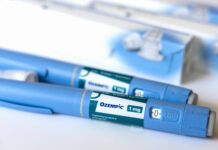
With many people flocking to the doctor’s office to get a prescription for the ‘miracle’ weight loss drug, Ozempic, you may be wondering, “Is this right for me?”
How does Ozempic work and is it effective?
Ozempic is a GLP-1 inhibitor drug. It’s been on the market for a while to treat type 2 diabetes, reducing insulin and blood sugar levels. One of the side-effects of the drug is weight reduction with studies showing a 10-15% loss of weight on the drug.
Open the floodgates for a new diet drug craze…
Ozempic helps you shed pounds in a few ways:
- It delays gastric emptying, which means the food stays in your stomach for longer, making you feel full.
- Your body becomes more sensitive to insulin, reducing cravings.
The drug acts as an appetite-suppressant, meaning you eat less food. - If it sounds too good to be true, it probably is.
Before you jump on the Ozempic bandwagon, it’s important to understand the bigger picture when it comes to this class of drug for weight loss.
1: This is NOT a quick-fix solution
This is not a short-term ‘bikini-ready for my vacation’ diet. The medication only works while you’re taking it. As soon as you stop, your body reverts to eating more calories and most regain all, if not more, of their weight. Many of you might say, “If it helps me lose weight, I’ll take it for the rest of my life.” That leads me to point 2.
2: It’s very expensive
Since most insurance companies won’t cover the cost unless i) your BMI is 30+ or above 27 with two comorbidities or ii) you have diabetes, it’s going to cost you $800-1000 per month. $10,000 per year is a pricey long-term diet plan.
3: The side-effects can be anti-social… and risky
Common side-effects include bloating, nausea, stomach cramps, vomiting and diarrhoea. It also may increase your risk of pancreatitis, gallbladder issues and thyroid cancer. These side-effects can be anything from embarrassing to debilitating, with many too sick to work productively or socialise. Studies show almost a 50% drop-out rate within one to two years. The key to long-term health success is sustainability – can you do this for the long-run?
4: It can disrupt your metabolic rate
Data shows that people on Ozempic are losing up to 40% lean muscle mass as part of their weight loss. This is not good news. What this means is that if you are one of the 50% of people who stop taking the drug, or can no longer afford it, your metabolic rate will likely become slower, due to less lean muscle. You’ll be at higher risk of regaining the weight fast, and usually as fat, since lean muscle is harder to build. In other words, you’re worse off than when you started.
There are certainly positive uses for GLP-1 drugs for the management of diabetes or weight-loss for people at high risk. However, for someone with just a little extra weight to lose, this might be a dangerous route to take.
Ultimately, it’s your body and your decision, and I applaud anyone trying to improve their health (and great that research is leading to potential helpful medications). However, sustainable weight management comes from a change of mindset, eating behaviours and lifestyle habits, not just an expensive and potentially debilitating drug.
Taryn Stein, of Mind Shift Me, is a wellness nutrition coach and dietician.
Related Videos