Health officials are investigating a confirmed case of Legionnaires’ disease in Cayman and have begun testing water systems linked to the patient’s recent movements, though authorities say the risk to the wider public remains low.
The Ministry of Health, Environment and Sustainability and the Public Health Department announced on 17 June that a single case of the potentially serious lung infection has been identified. No additional cases have been detected.
Health Minister Katherine Ebanks-Wilks said officials were working to determine where the exposure occurred and taking steps to safeguard the public.
“I want to reassure the public that the relevant agencies are actively responding to this case and taking the necessary steps to investigate the source of exposure and protect public health,” she said in a statement.
The case comes just months after government expanded the list of diseases that must be reported to public health officials. In March, Cabinet approved the addition of 30 conditions, including Legionnaires’ disease, bringing the total number of notifiable diseases in the Cayman Islands to 67.
The Ministry said the changes were intended to strengthen early detection, improve reporting and support faster public health responses to diseases that could pose a threat to the community.
What is Legionnaires’ disease?
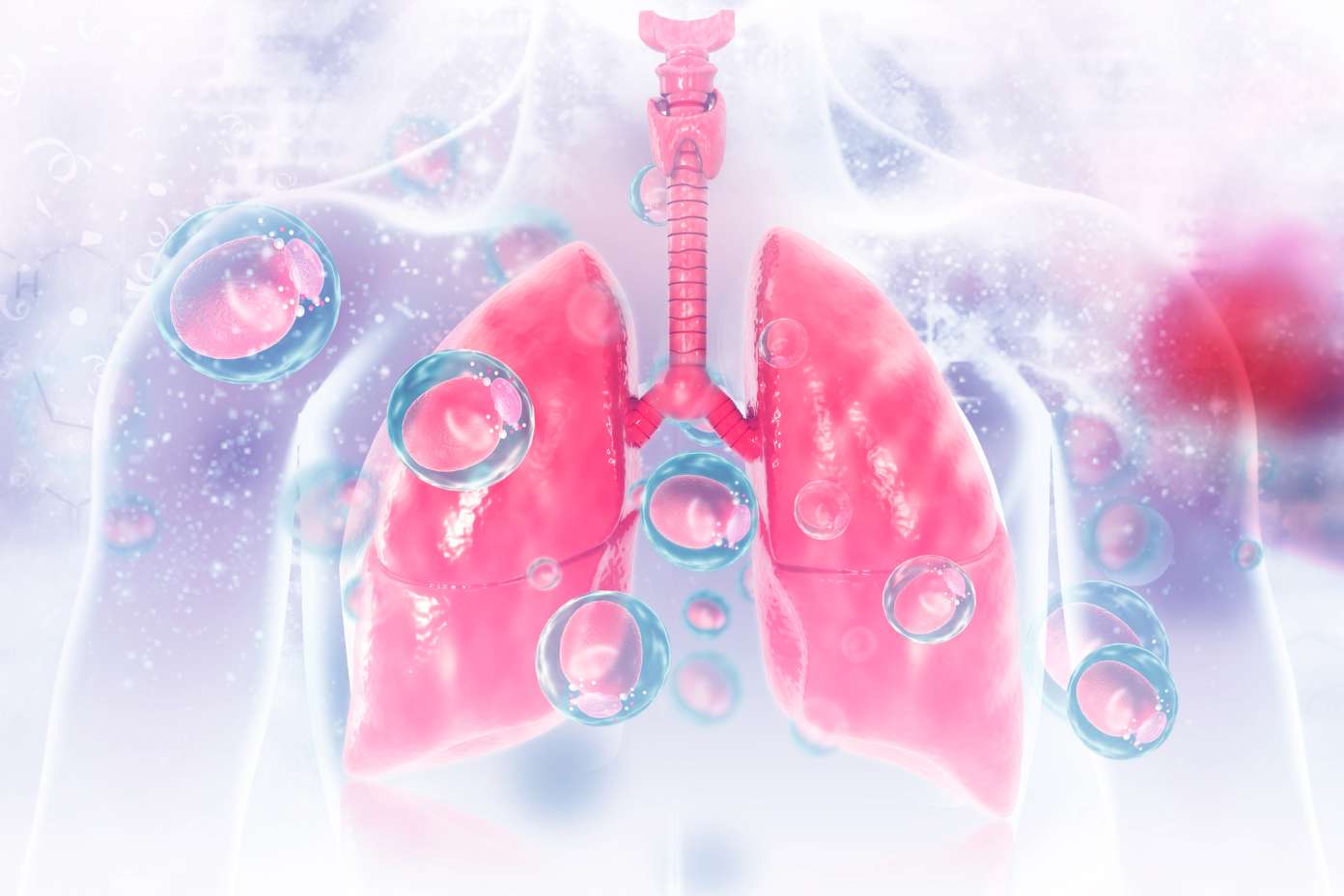
Legionnaires’ disease is a form of pneumonia caused by Legionella bacteria, which can grow in certain water systems. People become infected by inhaling tiny droplets of contaminated water. The disease is not spread from person to person.
According to the UK’s National Health Service, Legionella bacteria can sometimes be found in air-conditioning systems, humidifiers, hot tubs, spa pools and plumbing systems where water sits stagnant for extended periods.
Symptoms of Legionnaires’ disease can include cough, shortness of breath, chest pain, fever and flu-like symptoms. While exposure to Legionella does not usually cause illness in healthy people, older adults, smokers and those with underlying lung disease or weakened immune systems are more vulnerable to infection.
The infection can be serious and require hospital treatment, antibiotics and oxygen therapy. Most patients recover fully, though recovery can take several weeks.
The disease got its name when more than 180 people who had attended an American Legion convention in Philadelphia in 1976 contracted pneumonia. Twenty-nine people subsequently died. After identifying the new strain of bacteria that caused the pneumonia, it was named Legionella and the illness Legionnaires’ disease.
Government response
Public health and environmental health officials said that they are reviewing the patient’s recent activities during the incubation period and identifying locations where exposure may have occurred.
Chief Medical Officer Dr. Hilary Wolf said the investigation involves both epidemiological work and specialised laboratory testing.
“While laboratory testing is underway, public health and environmental health teams are continuing their assessments and implementing appropriate precautionary measures where necessary,” Wolf said. “It is important that conclusions are based on evidence and confirmed findings.”
Environmental Health officers have begun collecting water samples from locations identified through the investigation. The samples will be sent for specialised laboratory analysis, with results expected within seven to 10 days.
Director of Environmental Health Richard Simms said officers are assessing potential exposure sites and reviewing water management practices while testing continues.
“Appropriate precautionary measures are being taken while laboratory testing is underway, and where warranted, these are implemented immediately,” Simms said.
“This includes reviewing water system management practices and implementing control measures to reduce potential risks. These actions will continue alongside laboratory testing and the broader investigation,” he added.
Officials said they will continue monitoring the situation and provide further updates as the investigation progresses.
“The risk to the wider community remains low, and we are committed to keeping the public informed as the investigation progresses and more information becomes available,” said Ebanks-Wilks.
Related Videos