At a Glance
- Finance Committee met on 30 June to discuss additional spending
- A total of 23 separate requests were made totalling $134.3 million
- Finance Minister Rolston Anglin updated MPs on the government’s finances
MPs have approved $134.3 million in additional public spending requests ranging from education and infrastructure to land purchases and continued support of national carrier Cayman Airways.
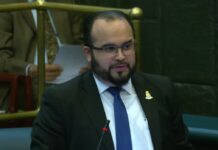
Addressing MPs assembled in the Parliamentary chamber for the 30 June meeting of the Finance Committee, Finance Minister Rolston Anglin said that the “significant” supplementary spending requests “reflect the needs of our community and government’s commitment to responsibly addressing emerging pressures, while maintaining compliance with the Framework for Fiscal Responsibility”.
Additional spending
Under the law, Cabinet may authorise supplementary appropriations to the budget, which the National Coalition For Caymanians government presented to Parliament in November, but they have to be approved by the Finance Committee before being included in a bill that will then go before Parliament.
The amounts asked for were outlined in 23 separate spending requests that were divided across sectors including:
- $52.8 million for land purchases
- $49 million for education
- $13 million for Cayman Airways
- $5.3 million for financial assistance
- $5 million to combat money-laundering
- $3.6 million to expand youth and community engagement initiatives
- $3.1 million for the fire service
- $2.5 million for agriculture supplies
Submitting the largest additional spending requests was the Ministry of Planning, Lands, Agriculture, Housing and Infrastructure, which asked, among other things, for an extra $2.5 million to support farmers coping with the rise in costs due to the wider geopolitical situation; $8 million for the Port Authority to expand its container handling facility and buy new trucks and boats; $5 million to pay long-delayed compensation claims for compulsory land purchases; and $6 million for road improvements and construction projects.
Buying land
The bulk of its requests – $52.8 million – was for land purchases. An additional $21 million was sought to buy land across all three islands, including land needed for the expansion and improvement of Little Cayman airport, plus land for agriculture and housing. Details on the actual purchases were scarce, noted Opposition Leader Joey Hew, who said that the public deserved greater transparency. However committee chair Rolston Anglin said that any more details could cause landowners to “have an idea what their land could be used for and it could cause negotiations to go sideways, if not up”.
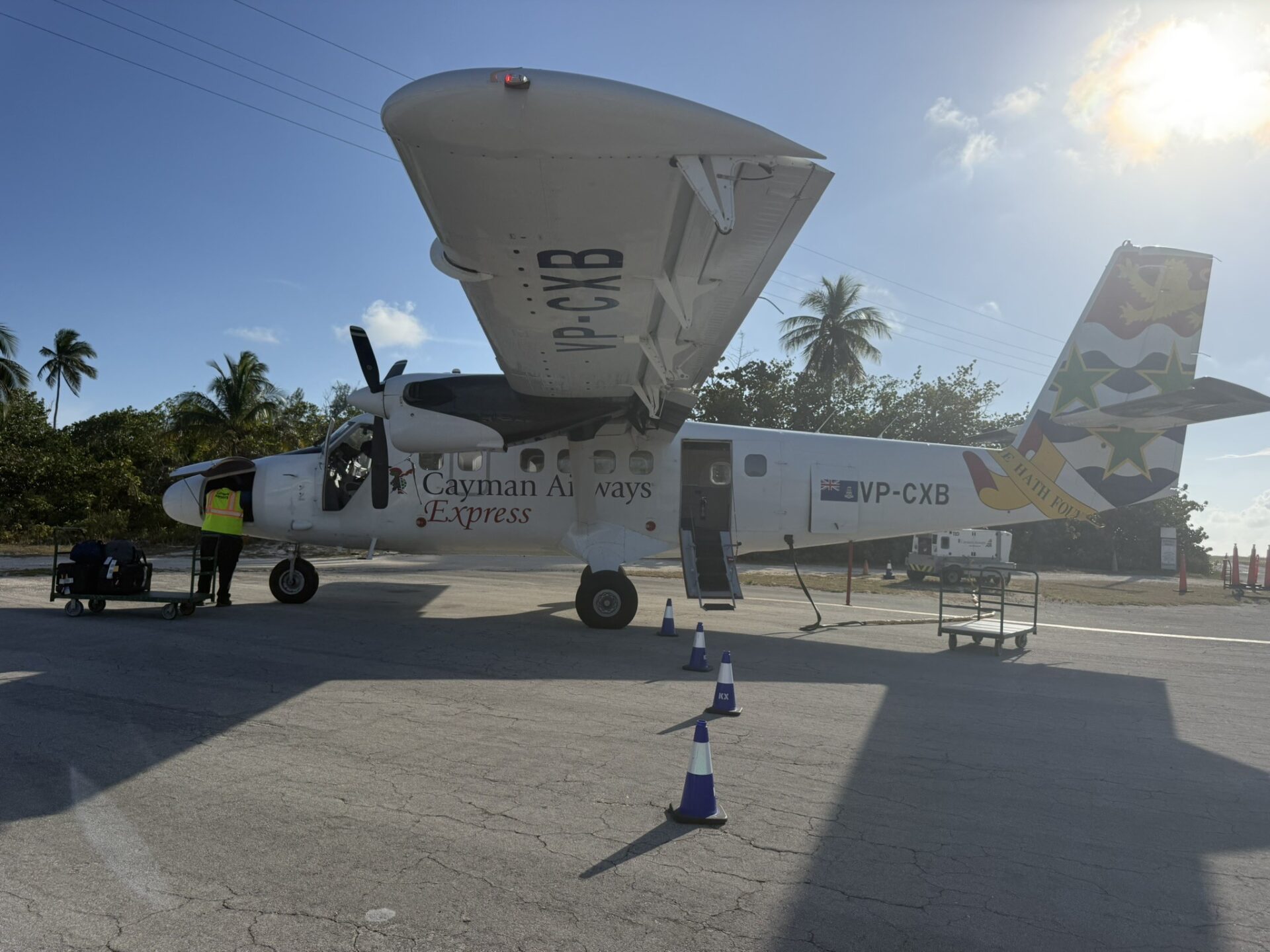
Another large cost was $12 million to purchase three parcels of land in Barkers, West Bay, as well around half an acre of Owen Island in Little Cayman, which is currently owned by government and two private landowners, with the money coming from the Environmental Protection Fund.
Opposition eyebrows were raised at the request for an additional $6 million for ‘priority road construction, road improvement, road resurfacing, drainage and safety enhancement projects,” including part of the East-West arterial expansion, with Hew pointing out that “we are six months into this budget year and we’re now seeking about a 42% increase from the original budget amount of $14 million”.
The Ministry of District Administration and Home Affairs requested an additional $1.3 million to bring fire service salaries up in line with other branches of the uniformed services, $3.5 million in part to support bus drivers and wardens through the school holidays and $1.3 in ex gratia payments for seafarers and veterans.
School spending
Education accounted for another significant chunk of the sums requested, with $48 million sought for educational facilities, including $19 million to complete the Cayman Brac High School project.
Anglin, who is both finance and education minister, specified that the $19 million was “not an increase over the original scope or the original contract amount” for the Cayman Brac High School, but was not included in the 2025 budget because it had not yet been completed.
Two other potential acquisitions, possibly of school buildings to increase teaching capacity, were alluded to but no details were forthcoming other than Anglin saying, “we look forward to having some good news to be coming to the public soon,” adding, “we’re almost there in terms of getting them past the finish line.”
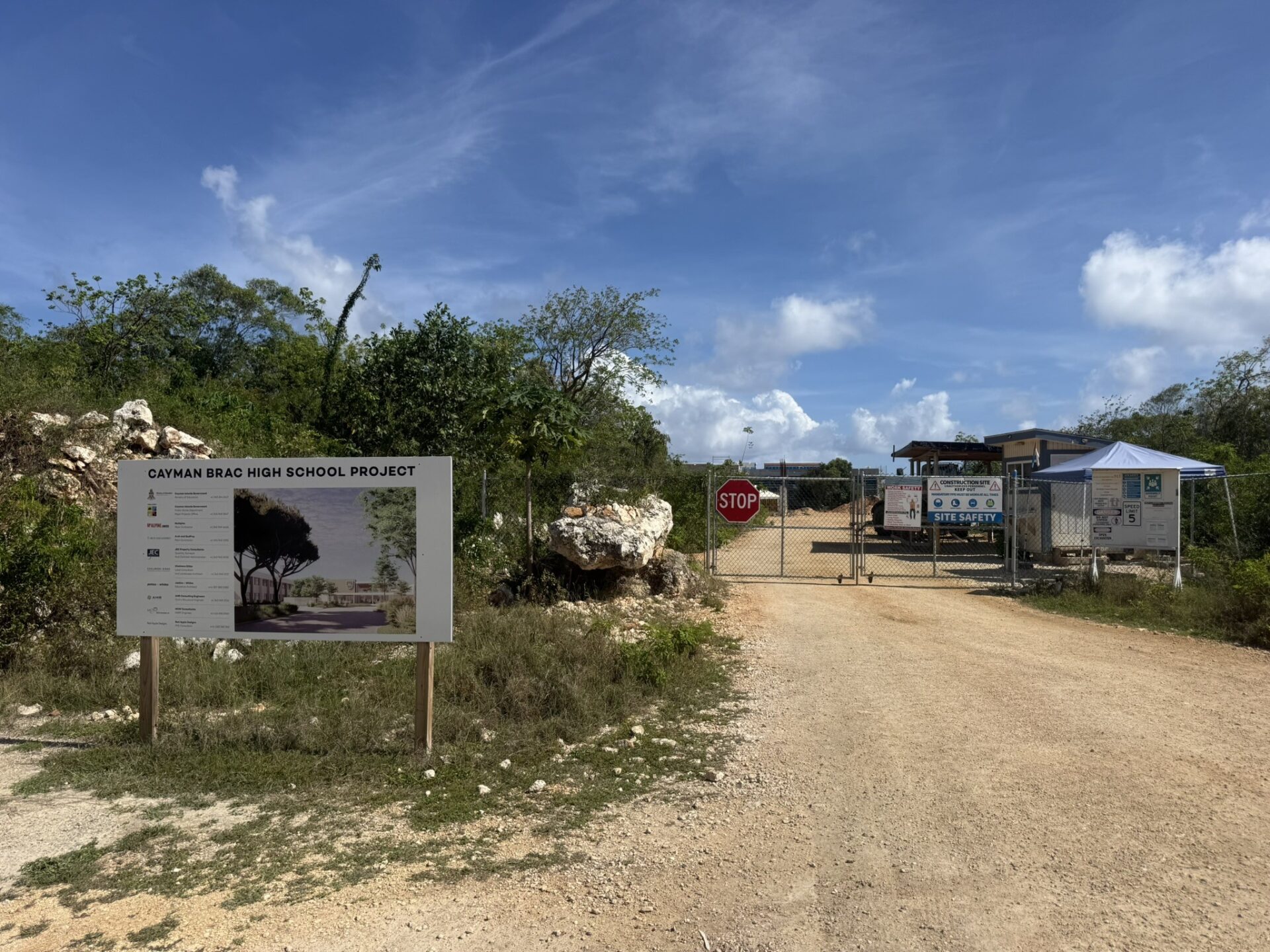
Extra money was also approved to expand the summer school programme so that 725 children – more than double the previous amount – could benefit.
Financial update
Anglin started off the day’s proceedings with an overall financial update of the government’s current and forecast financial position. He said as of 31 May, core government was showing an overall surplus of $267.9 million due to the bulk of government revenues coming in in the first three months of the year, but it should be sufficient to cover expenses until the end of the year.
Operating revenues for 2026 are expected to be $1.288 billion, $30 million more than expected, while outgoings are forecast to be $1.277 billion, which is around $29 million more than expected. This means that the operating surplus at the end of the year is expected to be $10.5 million, around $600,000 less than the $11.1 million that was in the original budget.
Anglin said that borrowings have not changed from the forecast and government was still expected to comply with all six measures of responsible financial management.
Stamp duty boost
Addressing the members of the Finance Committee, Anglin said, “The bottom line is the revenue performance to date has been significantly higher in particular in financial services than we originally projected … the financial services industry’s fees have been, as usual, paving the way for how government funds its operations.”
Stamp duty, which was recently increased from 7.5% to 10% for transactions in excess of $2 million, is on pace to set yet another record in 2026.
All the spending requests were approved unanimously and will be included in a Supplementary Appropriation Bill to be debated in Parliament at a later date.
Related Videos