As relief efforts continue following the devastating 24 June earthquakes in northern Venezuela, aid organisations are urging Cayman residents to support relief efforts by making financial donations rather than sending clothing, food or other supplies.
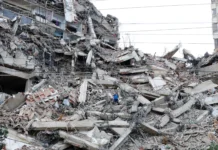
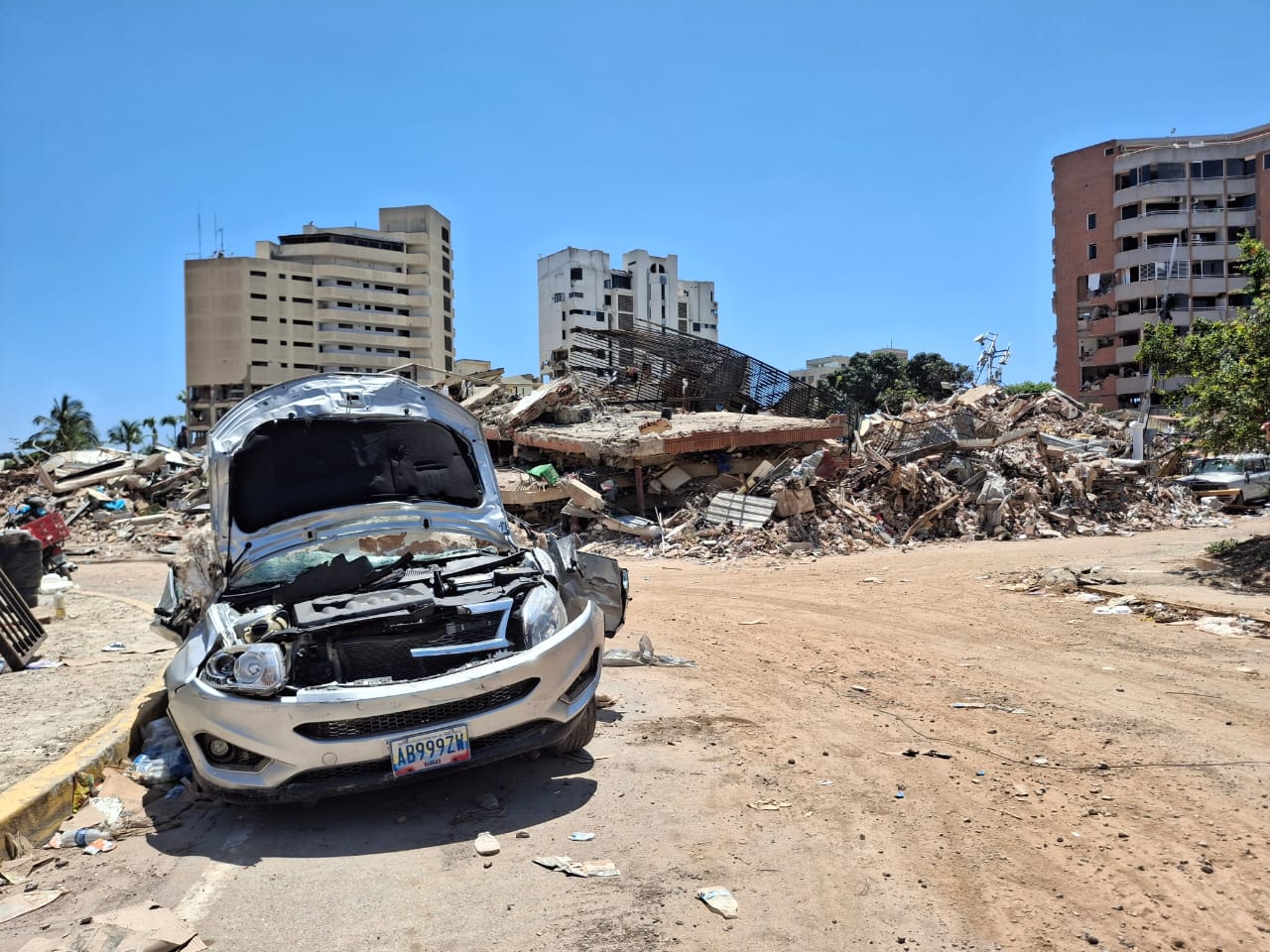
The twin earthquakes, the most powerful recorded in Venezuela in more than a century, have killed more than 1,700 people, injured more than 5,000 and displaced nearly 16,000. Tens of thousands remain missing or unaccounted for, while hospitals, roads and other critical infrastructure have been heavily damaged.
For Cayman residents hoping to support those affected, relief organisations say the fastest and most effective assistance is in the form of cash.
“The biggest challenge in getting aid to people in Venezuela is the logistics,” said Daniel Garrido, a Venezuelan who has lived in the Cayman Islands for the past six years and has been coordinating local information efforts through his company, TocToc.
“Shipping goods into Venezuela is expensive, slow and complicated. Financial donations allow trusted organisations already on the ground to buy what people need most and get assistance to affected communities much more quickly.”
Cayman Islands Red Cross launches appeal
The Cayman Islands Red Cross has joined the International Federation of Red Cross and Red Crescent Societies’ global appeal and is collecting financial donations to support relief and recovery efforts in Venezuela.
The Venezuela Earthquake Appeal will remain open until 31 July. Donations can be made to the Cayman Islands Red Cross International Emergency Appeals account at Butterfield Bank, account number 136-035054-0060, or by cheque payable to the Cayman Islands Red Cross with the memo “Venezuela Earthquake”.
Cayman Islands Red Cross Director Jondo Obi said the local appeal forms part of the IFRC’s global emergency appeal for 50 million Swiss francs, with funds from all 191 Red Cross and Red Crescent National Societies pooled to support the response.
“The Red Cross has longstanding relationships with suppliers around the world, so we can buy hundreds and thousands of items in bulk and get them where they’re needed most,” Obi said.
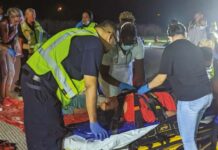
She said the response remains in its emergency phase, with volunteers continuing search-and-rescue operations and assisting survivors, but warned that recovery will continue long after the immediate crisis.
“People get very emotional in the early days of a disaster, but this is a long journey,” she said. “We’re talking about months and years, so those donations will continue to make a difference.”
The Venezuelan Red Cross remains central to the earthquake response. The International Committee of the Red Cross and the IFRC continue to work with it as their humanitarian partner, with the IFRC reporting that the first 17 metric tonnes of international aid have already arrived. The American Red Cross says the organisation remains fully operational, with 326 volunteers and 62 staff providing relief through its hospitals, polyclinics, first-aid stations and a field hospital in La Guaira.
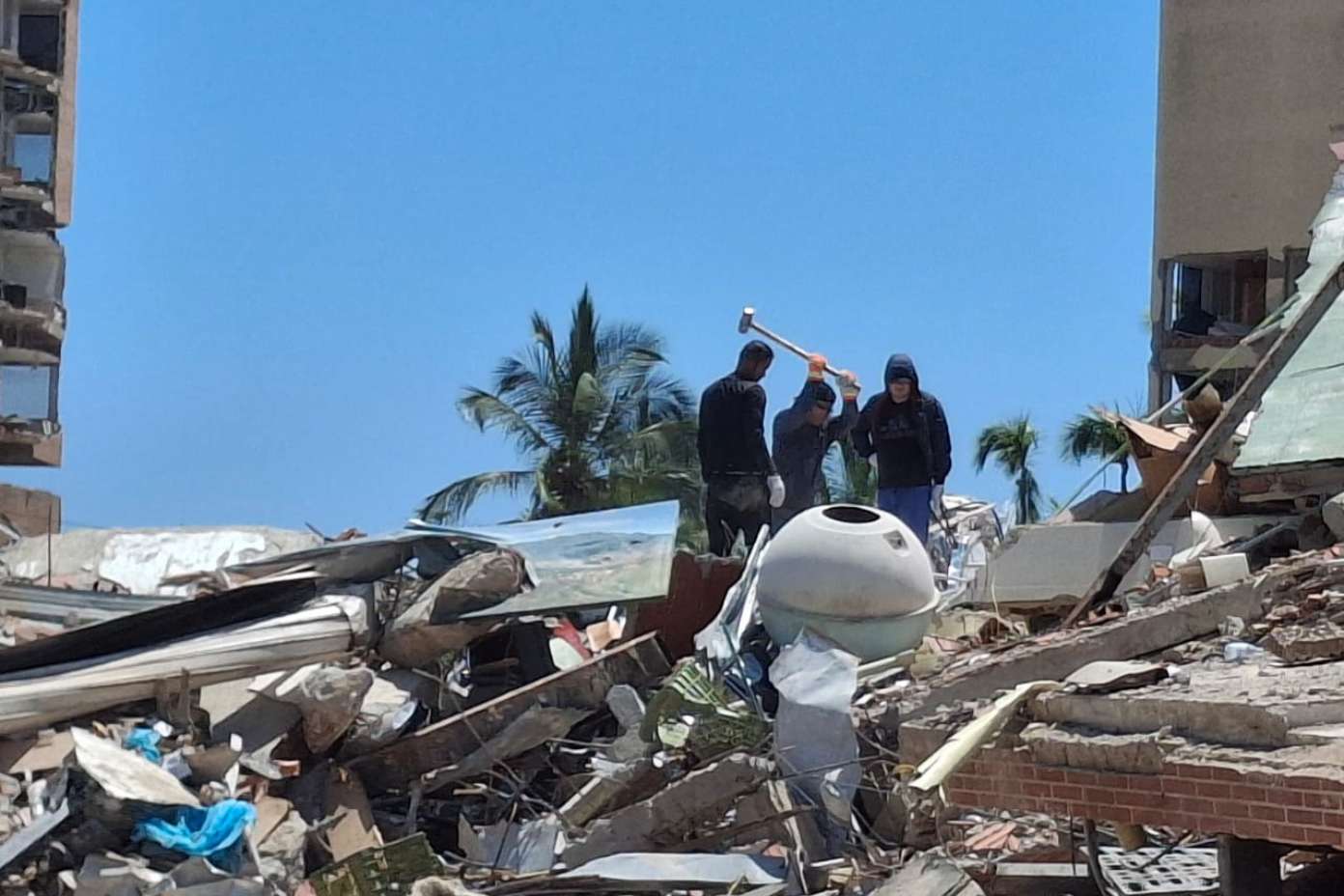
With relief efforts continuing and logistics remaining challenging, local Red Cross officials also said cash donations are the most effective way for those in Cayman to help.
“The most convenient way to provide international support, to reduce the logistics challenges, is financial donations,” said Cayman Islands Red Cross Disaster Manager O’Neil Minott.
“With cash we can consolidate support from all 191 national societies, pool those funds through the International Federation and use our global partnerships with suppliers and distributors. That allows assistance to be delivered much more quickly and effectively.”
He said donations support both immediate humanitarian assistance and longer-term recovery.
“The most urgent need is to preserve life and restore life to a level of comfort and normalcy,” he said.
Other organisations accepting donations
In addition to the Red Cross, several established humanitarian organisations are accepting donations for Venezuela, including UNICEF, Save the Children, World Central Kitchen, Children’s Bereavement Center, Global Empowerment Mission, Direct Relief, CORE, Catholic Relief Services, Airlink, Wayuu Taya Foundation and Global Impact’s Venezuela Earthquakes Response Fund.
The US Chamber of Commerce Foundation has also encouraged companies in sectors including healthcare, water, housing and energy to work with the US State Department if they are interested in supporting larger-scale recovery efforts.
Meanwhile, local businesses have also begun fundraising. Cayman restaurant La Casita will host a Venezuela Day fundraiser on 18 July, featuring Venezuelan-inspired food and drink specials, with additional proceeds supporting relief efforts.
Throughout July, BodyWorks Holistic Wellness Centre will donate all contributions collected during its free Thursday evening Relaxation Music Sessions to established humanitarian organisations responding to the disaster.
The Venezuelan community is also planning a charity run in September to raise additional funds for relief efforts.
As donations increase, experts are urging the public to give carefully. Charity Navigator recommends confirming that an organisation is a registered nonprofit with an established track record of disaster response in the affected region before contributing.
Concerned by misinformation and the spread of unverified fundraising campaigns, Daniel Garrido has created an online platform to help the Cayman community identify trusted ways to help.
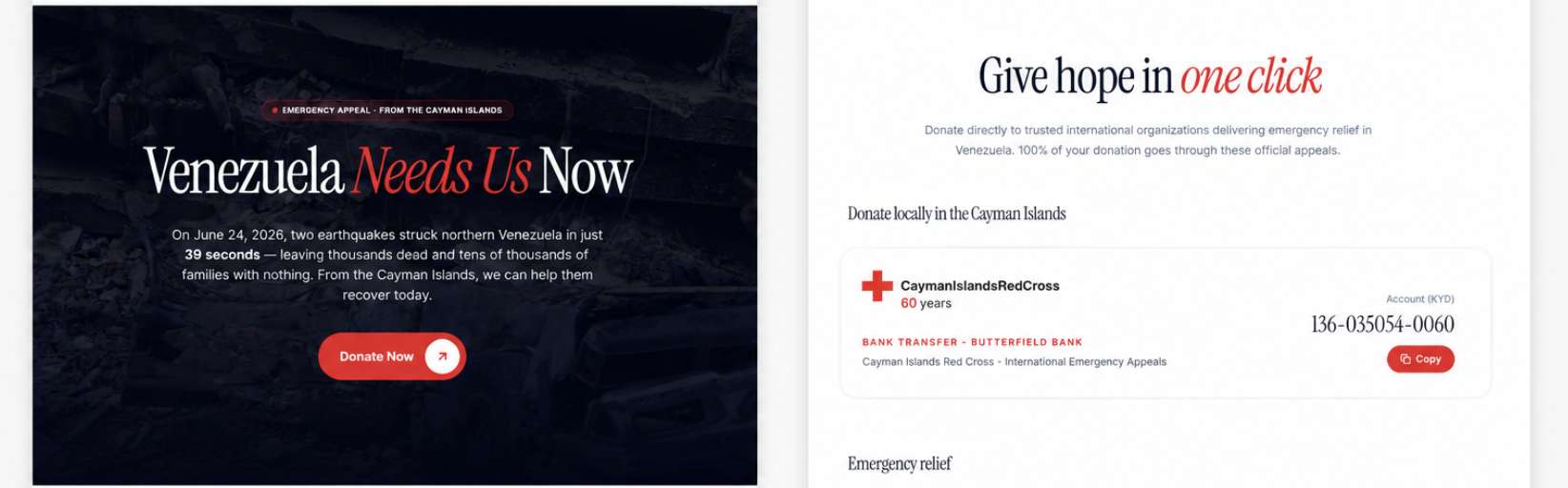
Garrido compiled verified donation links using information from journalists and trusted contacts on the ground in Venezuela and says he is updating the site regularly as the response evolves.
The site directs local donors to established humanitarian organisations already operating in Venezuela, allowing them to contribute directly to charities delivering relief on the ground.
Related Videos