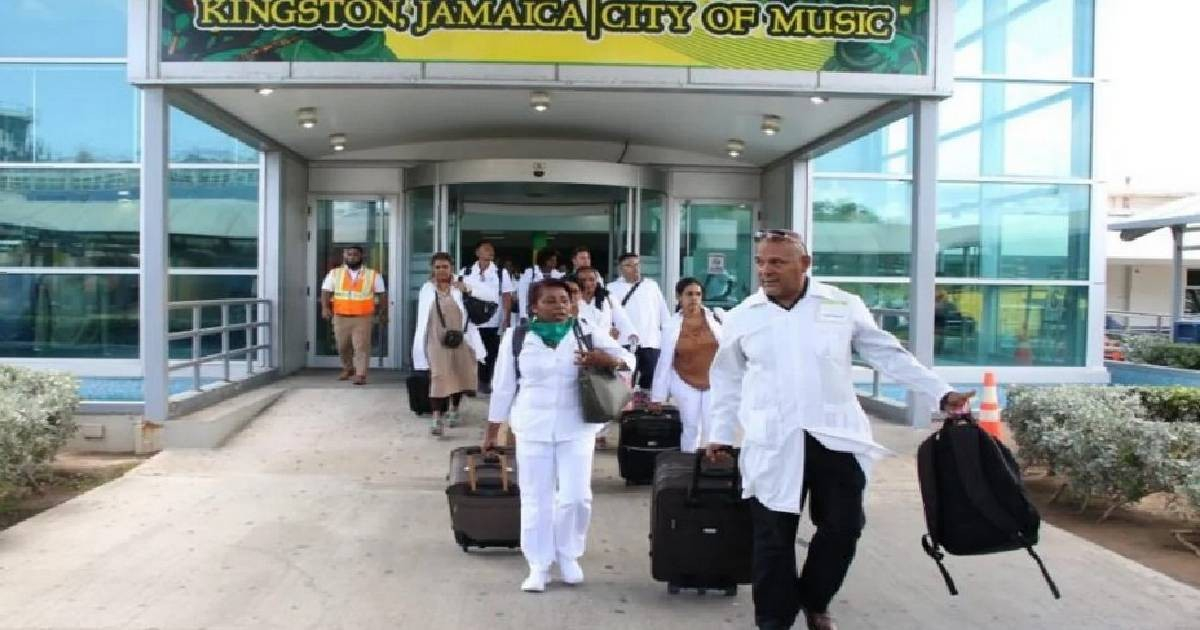
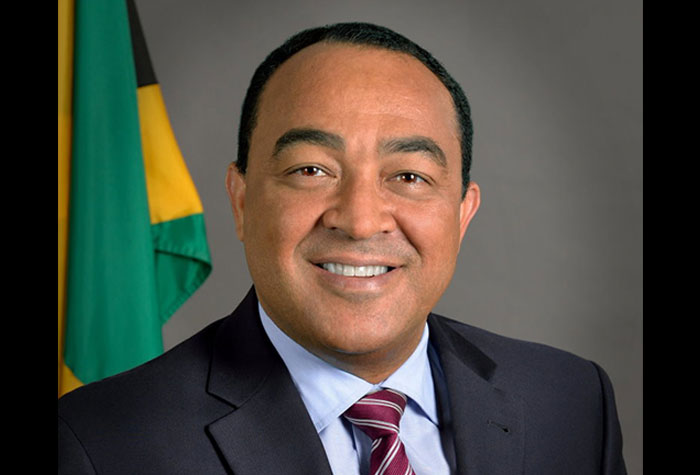
Jamaica’s Health Minister Chris Tufton has announced that about 50 Cuban nurses will relocate to Jamaica under individual employment contracts, marking a significant departure from the decades-old government-to-government medical cooperation programme.
Under the new arrangement, the nurses will be hired directly by Jamaican health authorities in accordance with the country’s labour laws, with no involvement of the Cuban government in their employment. The move is intended to help address Jamaica’s shortage of healthcare workers while replacing the previous bilateral agreement with Havana.
The 5 July announcement follows Jamaica’s decision on 5 March to end its medical cooperation programme with Cuba after the two governments were unable to agree on the terms of a new arrangement.
Healthcare cooperation between the two countries dated back to 1976. Although the most recent agreement expired in 2023, nearly 300 Cuban medical personnel had remained in Jamaica while negotiations on an extension continued.
The changes came after sustained pressure from the United States over Cuba’s overseas medical missions.
Speaking at the 50th Regular Meeting of the Conference of CARICOM Heads of Government earlier this year, US Secretary of State Marco Rubio described the programme as “basically human trafficking”, alleging that Cuban medical personnel receive only a fraction of the payments made by host governments while facing restrictions on their movement and wages.
Rubio added that “we’re not going to cut diplomatic relations with countries in the Caribbean because they don’t agree with us on it, but we make a forceful point about it”.
Jamaican officials subsequently said the programme needed to be reviewed to ensure compliance with domestic labour laws and international obligations, with concerns focusing on how salaries were paid and the handling of travel documents for Cuban healthcare workers.
After Jamaica and Cuba failed to reach agreement on revised terms, the programme was discontinued and Cuba withdrew a brigade of 277 health professionals. Around 40 nurses, however, remained in Jamaica after signing individual contracts with local health authorities.
If the latest recruitment proceeds as planned, the total number of Cuban medical professionals working in Jamaica under individual contracts would approach 100.
Speaking in an interview with TVJ, Tufton said Jamaica is broadening its international recruitment efforts to address chronic staffing shortages. In addition to recruiting Cuban professionals, the Ministry of Health has interviewed healthcare workers from Ghana and members of the Jamaican diaspora, signed memoranda of understanding with Nigeria and India, and is expecting a technical delegation from the Philippines to explore a potential healthcare staffing partnership.
Related Videos