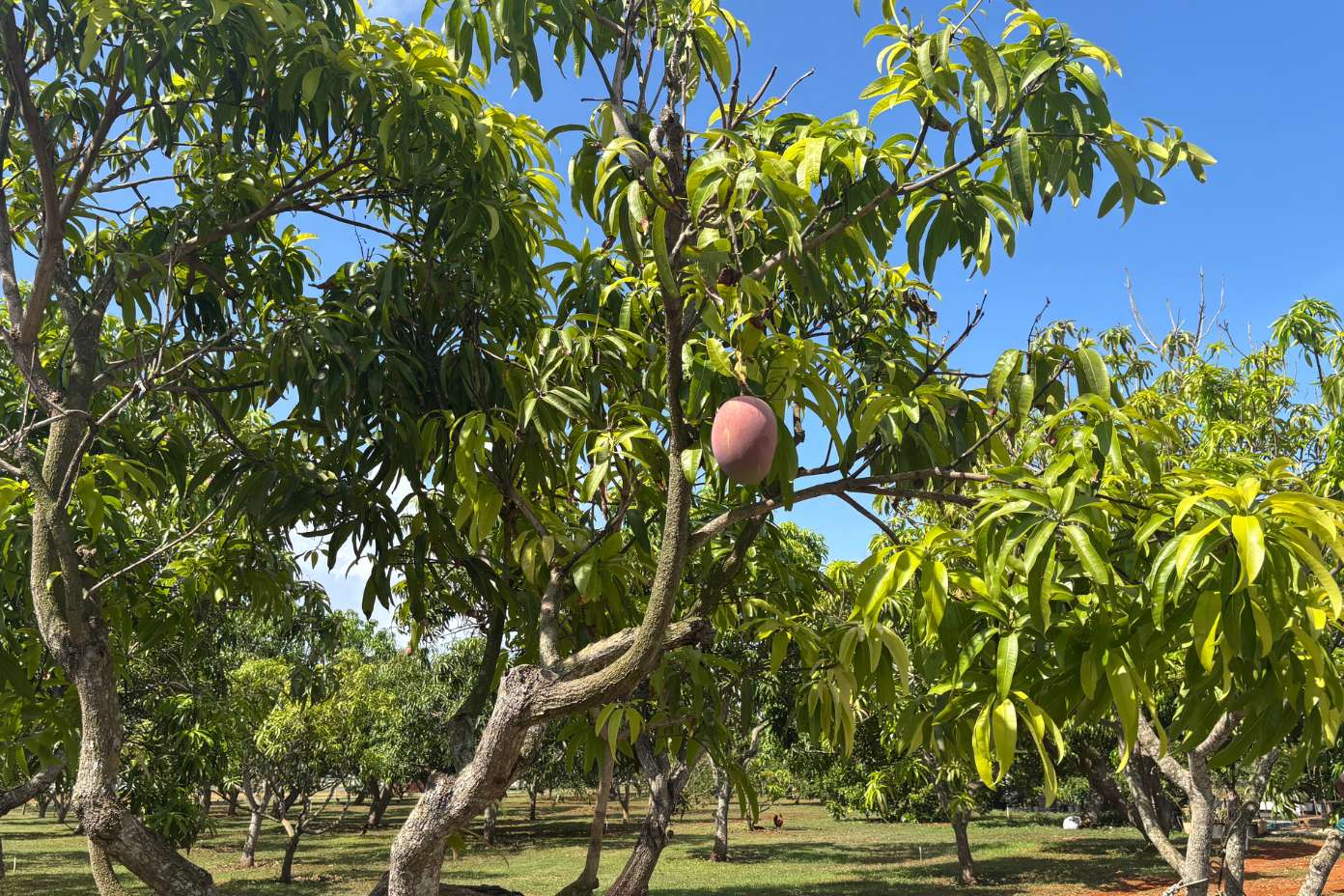
The Cayman Islands Department of Agriculture is preserving the country’s largest collection of fruit tree varieties to protect valuable plant genetics, support agricultural research and strengthen future food security.
Spread across just over two acres in Lower Valley, the department’s germplasm collection contains more than 77 mango varieties, 16 avocado varieties, 19 varieties of bananas and plantains, and a diverse collection of minor fruit trees, including soursop, cashew, June plum, loquat and carambola. A new coconut germplasm featuring imported hybrid varieties is also being established.
Deputy Director of Agriculture Demoy Nash said the collection serves as a repository of plant genetic material rather than a commercial orchard.
“A germplasm is really about conserving genetic material,” he said, explaining that maintaining multiple varieties provides a resource for future propagation, research and agricultural development.
The collection is designed to preserve Cayman’s agricultural diversity as pests, diseases, hurricanes and climate change place increasing pressure on food production.
By maintaining a broad pool of plant genetics rather than relying on a handful of popular varieties, the department is helping ensure future crops can be selected for traits such as disease resistance, drought tolerance and higher yields.
Agronomy manager Claudette McKenzie-Bowen said the collection is carefully organised, with each crop planted in dedicated orchard sections where individual varieties can be monitored, evaluated and preserved.
Mangoes
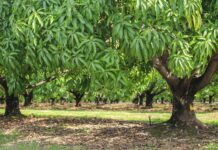
Mangoes make up the largest part of the germplasm collection, with dozens of varieties maintained by the department.
While a limited number of mango varieties are widely grown and sold in Cayman, the Department of Agriculture maintains dozens of lesser-known cultivars to preserve genetic diversity and plant characteristics.
The collection includes familiar varieties such as Nam Dok, East Indian, Julie, Jakarta, Valencia Pride and Carrie, but these represent only a small proportion of the trees in the collection.
“We have the favourite mangoes which we propagate and sell to the farming community, and we have other varieties that are useful for other purposes, such as using them for rootstocks,” Bowen said.
Rather than growing trees from seed, the department propagates desirable varieties by grafting cuttings onto carefully selected rootstocks. The process produces trees that are genetically identical to the parent variety while benefiting from vigorous, well-established root systems.
“If you’re a person who loves a Nam Dok mango, for example, we would not plant a Nam Dok seed and sell it to the public,” Bowen said. “We take a piece of the Nam Dok tree and put it onto the rootstock. That’s what we grow and sell.”
Producing a grafted tree takes about six months before it is ready for farmers or homeowners to purchase.
The collection also allows the department to propagate uncommon varieties on request.
“If somebody asks us for a specific variety and we have it in our germplasm, we will propagate it,” Bowen said. “When the plant is ready for sale, we’ll call them.”
Many of the trees have been growing in Cayman for more than two decades, surviving extreme weather, adapting to local soil and withstanding the changing climate.
“These plants have been here for more than 20 years, which means this germplasm has been acclimatised to local conditions,” Bowen said. “They have weathered the storms. They have produced well.”
Other fruits
Beyond mangoes, the department’s germplasm collection includes avocados, bananas, plantains and coconuts, as well as breadfruit, sweet potato, papaya, Cayman seasoning pepper and scallion.
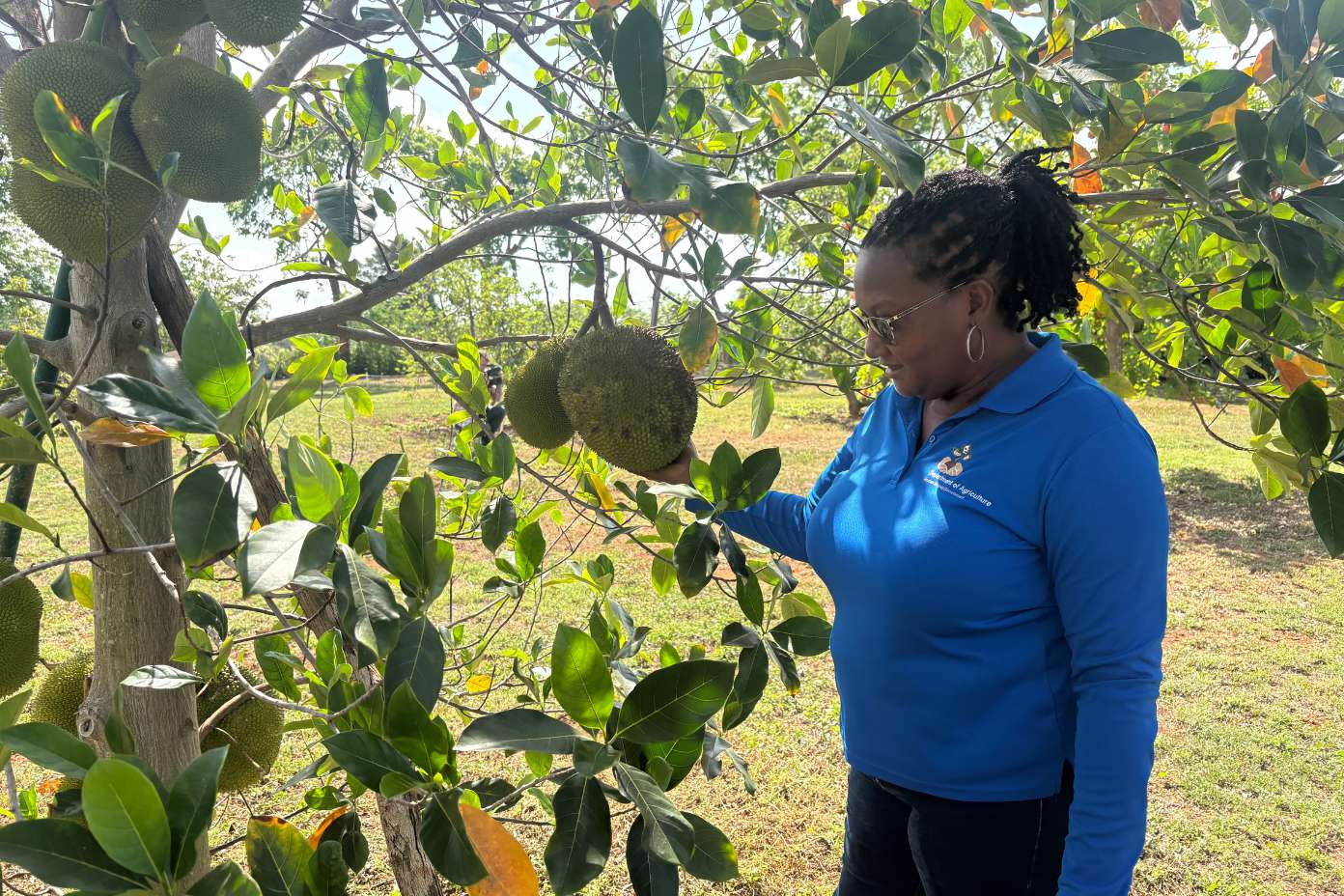
The department also maintains a range of minor fruit trees, including sweetsop, soursop, custard apple, jackfruit, West Indian cherry, longan, naseberry, Suriname cherry, canistel, star fruit, guava and jujube.
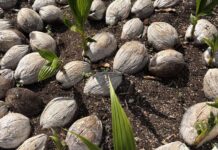
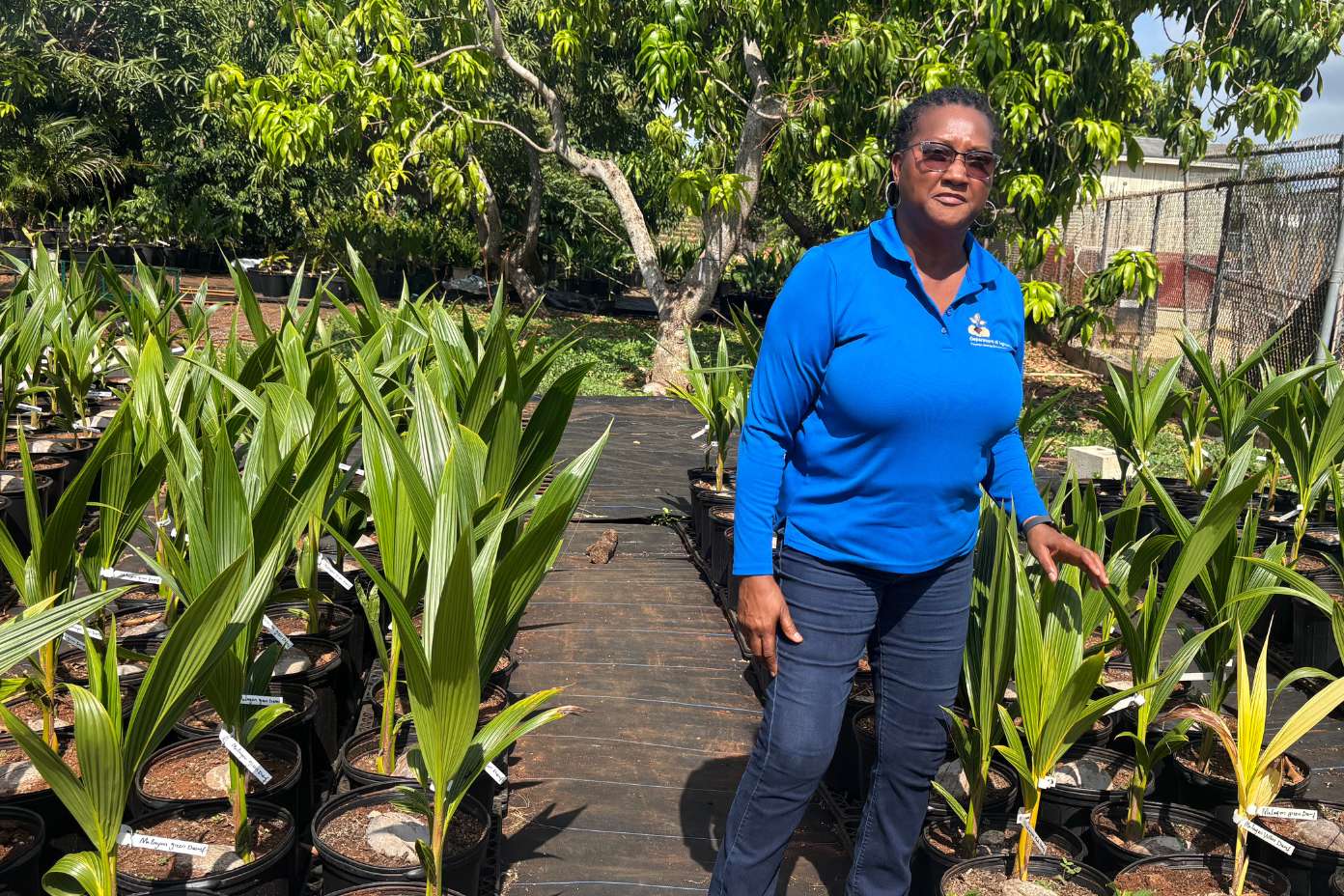
One of the department’s newest initiatives is the development of a coconut germplasm. Earlier this year, four coconut varieties – Maypan, Malayan Green Dwarf, Malayan Yellow Dwarf and Malayan Red Dwarf – were imported from Jamaica’s Coconut Industry Board.
The living collections are complemented by a refrigerated seed bank containing papaya, Cayman seasoning pepper and numerous minor fruit tree species, safeguarding their genetic material for future propagation, research and conservation.
Preserving options for the future
Unlike commercial farms, which typically focus on a few high-yielding varieties, germplasm collections are designed to preserve diversity and future options.
“The importance of a germplasm is to hold varieties that may not only be what is required now, but could be used for future research, for developing new varieties or looking at disease resistance,” Bowen said.
That diversity provides insurance against an uncertain future. As growing conditions evolve, researchers say they can identify varieties that perform better under drought, hurricanes, pests or disease and use them to strengthen Cayman’s food production.
The department also continually evaluates each variety for germination, growth characteristics and field performance before recommending cultivars for local farmers.
Related Videos