


Members of the
Legislative Assembly voted Friday to pass a new law that will create a $500,000
cap on medical negligence court cases.
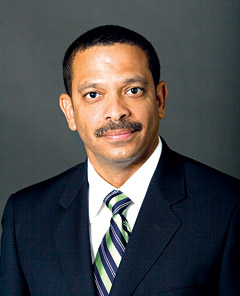
Minister of Health Mark
Scotland said the Medical Negligence (Non-economic Damages) (Amendment) Bill
2011 was necessary to cut the escalating medical malpractice insurance rates
for local doctors, especially obstetricians and gynaecologists, who this month
saw their rates increase by $40,000 to more than $162,000. The minister said
the insurance rates for OB-GYNs had increased more than 300 per cent over the
past four years.
He said the passing of
the bill was also part of an agreement with Indian cardiologist Dr. Devi
Shetty, who plans to open a medical tourism hospital in Cayman, though Mr.
Scotland insisted that work was already being done to introduce a cap of
medical negligence cases before a memorandum
of understanding was signed with Dr. Shetty in April last year.
Mr.
Scotland said that Dr. Shetty’s insurers had informed the cardiologist that the
medical malpractice insurance for the proposed 2,000-bed facility would be 85
per cent lower with a cap on medical negligence cases in place than if there
were no cap.
Independent
Member of the Legislative Assembly for North Side Ezzard Miller, who voted
against the bill, said he hoped the government would do all it could to ensure
that local practitioners also saw an 85 per cent reduction in their premiums as
a result of the cap.
The
health minister explained that private obstetricians charge an average fee of
US$3,000, and using the 2010 insurance premium price of US$153,000, they would
need to deliver 51 babies each per year just to cover their malpractice
insurance premiums. “That does not take into account all the other expenses
practitioners have to pay for other overheads,” he said.
Mr.
Scotland said about 600 babies a year were born in Cayman. Half of those babies
are delivered by staff at the Cayman Islands Hospital, leaving about 300 babies
to be delivered by the Islands’ six private obstetricians.
He
said the Health Services Authority was also seeing an increase in the aggregate
premium it pays in recent years because the UK-based Medical Protection
Society, a non-profit organisation that insures Cayman’s medical practitioners,
“views [the four HSA obstetricians’] risk as being even higher than those in
the private sector, as HSA obstetricians are responsible for nearly half the
deliveries in the Cayman Islands and there are few practitioners to spread that
risk around.”
He
added that a loss of obstetricians in the private sector would lead to higher
premiums for the HSA as it would mean the public practitioners would have to
perform more deliveries.
The
minister of health said one private practitioner had stopped delivering babies
in recent years because of skyrocketing insurance costs.
He
pointed out that if one of the six private obstetricians decided to stop
practising, this would mean that the remaining practitioners would have to pay
an additional $32,000 because the Medical Protection Society would spread the
total amount of premiums it expects to receive each year among the
obstetricians still practising.
Mr.
Scotland said the insurer had viewed a case in Cayman in which a total of $6
million, which included $300,000 in non-economic damages, was awarded to an
individual as an indication of the willingness of the courts to give high
awards. “There are a number of other cases pending before the courts that have
not been settled yet, but MPS is watching those with a careful eye as well,” he
said.
The
new law covers only non-economic damages, also known as settlements for pain
and suffering, and not the loss of earnings or the cost of medical care as a
result of negligence.
The
Law Reform Commission, which in a report released last year opposed a cap for
non-economic damages in medical negligence cases, has stated that the highest
amount for non-economic damages awarded by a court in the Cayman Islands was
$300,000. Mr. Scotland said: “We do recognise that this is not a silver bullet
which says it is going to solve the problem of increasing medical malpractice
insurance premiums,” adding that evidence from other jurisdictions showed that
“outcomes from capping non-economic damages has been positive.
“We
believe capping non-economic damages will contribute significantly to slowing
the rate of increase at least and, hopefully, lead to a decrease in medical
malpractice premiums,” he said. An element of the bill that drew opposition
from Mr. Miller was a clause that states that foreign judgments or awards for
non-economic damages of more than $500,000 would not be enforceable in Cayman.
Mr. Miller argued that this clause had no effect on local practitioners and had
only been included to benefit Dr. Shetty.
“This
clause was included in the bill because of concerns if it was not addressed in
legislation, it may mean that the cap on non-economic damages could be
overridden by judgments in other jurisdictions. This is obviously of particular
concern for medical tourism providers,” Mr. Scotland said.
Leader
of the Opposition Alden McLaughlin argued that the non-economic damages cap
should be set at double the proposed amount, at $1 million, a suggestion Mr.
Scotland turned down, saying there had been much discussion and input that had
led to the $500,000 cap being chosen. Mr. McLaughlin said there had been no
local cases of “exorbitant” awards for non-economic damages. “The cap… is
unlikely to have any effect at all on local insurance premiums,” he said,
adding that since Dr. Shetty’s main market for the medical tourism hospital was
North America, which was notoriously litigious and where juries have awarded
huge sums to patients, the cap was primarily being brought to limit awards for
any patients involved in medical malpractice or negligence cases involving the
medical tourism hospital.
He
said he believed the courts should retain the discretion and ability they have
had to set awards and to “grant significantly higher awards for non-economic
damages if the circumstances of the case warrant it.
“My
primary fear about this bill is that in the government’s anxiety to get its
obligations to Dr. Shetty under the [memorandum of understanding] that we may
well be undermining the rights and ability of the people of these Islands to
get proper compensation when they are injured as a result of medical
negligence,” he said.
“I
believe that the bill, as drafted, has got the weighting wrong, that it is
weighed heavily in favour of this professional service provider and his
institution and not sufficiently in favour of the victim.”
Related Videos













A very sad day for anyone who cares about people. The Cayman Government is pandering to insurers and Dr Shetty at the expense of fairness.
Damages for negligence should be at the level that adequately compensates the victim. What will happen to a victim who, through negligence, requires long term, perhaps lifetime care – 500,000 will be nowhere near enough.
With this decision, Cayman has made a clear statement – we are in favour of big business. People dont matter here!
The Beachbum
shockingly, I agree with BB.
The cap should have been 1 million.
The new law covers only non-economic damages, also known as settlements for pain and suffering, and not the loss of earnings or the cost of medical care as a result of negligence.
Further, if there have been no local cases of exorbitant awards, then why have the (avaricious) insurance companies increased their premiums by 300%?
If Dr. Shetty and Big Mac have not already covered their tracts, the people can take this to court and to the privy council, why would you sit down and let Dr. Shetty and Mckeeva bush decide how much youre worth?
Beachbum, the new law applies only to non-economic loss, often referred to as pain and suffering.
It will have no impact on damages for ongoing care and medical expenses, which remain uncapped.
It is however interesting that the Government has used the cost of obtaining insurance for obstetrics as cover for this move. The reason why obstetrics cover is so expensive is precisely because incidents in childbirth (usually oxygen deprivation) lead to massive awards for lifetime medical care – which will be entirely unaffected by this new law.
The reality is that this new law is entirely about Dr Shetty. Personally, I am in favour of both his proposed hospital and this law, but we should be honest about why we are doing it.