

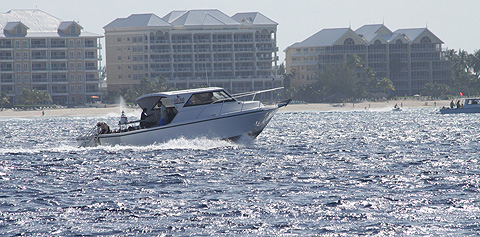
If you own a pleasure or hire boat larger than 30 feet, licensing fees for the craft will increase substantially – in some cases more than ten-fold.
According to the Port [Amendment] Regulations, 2012, now approved in the Cayman Islands by Cabinet, craft under 30 feet will maintain the same licensing fee structure. That means local craft under 21 feet, including private use wave-runners will pay no licensing fee and for-hire wave-runners will pay $150.
Local vessels more than 21 feet, but not more than 30 feet will still pay a $200 licensing fee. The fees are due by 31 January of each year.
The big changes will occur with the vessels more than 30 feet.
According to the regulations, local vessels between 31 and 40 feet long will pay a $1,000 yearly fee, up from $300 in the old regulations.
Vessels between 41 and 50 feet long will pay a $2,000 yearly fee, compared to $300 in the earlier regulations.
Craft between 51 and 60 feet will pay $3,000 in yearly licensing fees, and those between 61 and 70 feet will pay $4,000 in yearly licensing fees. Those craft previously had to pay $500 for yearly licenses.
Previously, any vessel more than 70 feet long would have paid a $1,000 yearly licence fee. The regulations now split those into different categories: Vessels between 71 and 80 feet will pay $5,000 per year fee; Vessels between 81 and 90 feet will pay a $6,000 per year licensing fee and local vessels between 91 and 100 feet will pay a $7,000 per year fee.
Craft of more than 100 feet in length will pay a $10,000 yearly licensing fee.

Related Videos







Mckeeva has gone mad
Doesnt govt know that its not the length of the boat that counts but rather the motion on the ocean.
Trying to catch Bermuda as the most expensive island to live or visit…it’s working !!
Whatever anybody thinks about the level of these fees, boat owner or not, how on Earth is the government going to monitor whether or not owners have paid their fees. We are not like Florida where there are constant Coast Guard patrols every day. Will the government have Boat Parking Wardens who will go to every canal and mooring basin to check if boats are displaying a current license. I suspect that the average Big Boat owed could get away with not paying the annual fee almost indefinitely – it’s not like cars which have to use specific roads to get from one part of the island to another, and a police road block will catch everyone with an unlicensed vehicle. Maybe they will instruct the fueling stations not to sell gas/diesel to any unlicensed boats – don’t think so.
Increased fees will lead to greater overloading of vessels putting more tourists in harms way – with the cruise industry getting the majority of the fees from their passengers when they book on board, as little as 30% makes it to the local tour company – perhaps greater fees for the cruise lines would be better?