

Brought to the Caribbean from India, tamarind trees are now a common sight throughout the region, known for their drought-resistant qualities and wide shade-providing canopies. Reaching 50 feet and displaying large yellow and red flowers, these trees are both functional and ornamental.
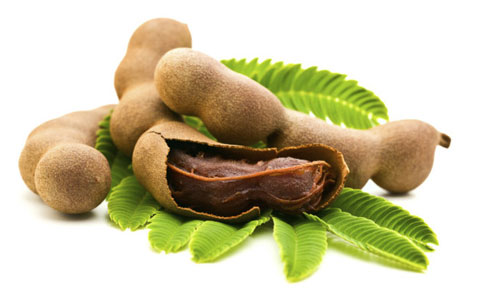
Green pod-like fruit appears, 5 to 10cm long and 2cm thick, turning brown and brittle as it ripens. Their shape is a larger scale reminder of their membership in the pea family.
The pulp surrounding the seeds housed inside the brittle shells has a tart sweet-and-sour taste due to the antioxidant tartaric acid it contains. Because of this characteristic, it is used in chutneys, sauce, drinks and jellies. Many may not know that it is also an integral ingredient in Worcestershire sauce.
While it is believed that the tree originated in Africa before being taken eastward, tamarind has enjoyed a long history in India and has been mentioned in Indian scriptures since 200 BC. The name tamarind is derived from Arabic and translates as “date of India” due to the pulp’s similarity in color to a date and the fruit’s importance to the Indian subcontinent.
Nutrition
100g of tamarind flesh contains 3.2g protein, 0.3g fat, 64.5g carbohydrates and 273kcal. It is high in potassium at 100mg per 100g, and contains 60μg of carotene, 110mg of phosphorus and an astounding 110mg of calcium. The 5g of fiber contained in 100g of the pulp lends itself as a natural laxative, and tamarind is often hailed as being a remedy for digestive disorders, as well as lowering cholesterol.
How to eat
Tamarind can be eaten fresh and raw, or processed. To be eaten raw, the pulp can be extracted by breaking the shell in half and scooping out the sticky pulp. Many in South American and Caribbean countries, including Cayman, enjoy the less messy option provided by the lip-puckering sugar-coated pre-packaged tamarind balls available in stores.
Tamarind is regularly used as a spice and souring agent in curries, soups and marinades and is extremely popular in chutney, often accompanying samosas in Indian cuisine. A light chutney can be easily made from tamarind paste, and this recipe supplied by Executive Chef Jason Heath at Grand Cayman Beach Suites pairs well with fish and is sure to excite the taste buds due to its mix of spices.
Tamarind sauce
Ingredients
- tablespoon vegetable oil
- 1 teaspoon cumin seeds
- 1 teaspoon fresh ground ginger
- ½ teaspoon cayenne pepper
- ½ teaspoon fennel seeds
- ½ teaspoon garam masala
- 2 cups water
- 1 1/8 cups white sugar
- 3 tablespoons tamarind past
Directions
Heat the oil in a saucepan over medium heat. Add the cumin seeds, ginger, cayenne pepper, fennel seeds and garam masala; cook and stir for about 2 minutes to release the flavors.
Stir the water into the pan with the spices along with the sugar and tamarind paste. Bring to a boil, simmer over low heat until the mixture turns a deep chocolaty brown and is thick enough to coat the back of a metal spoon. This should take 20 to 30 minutes. The sauce will be thin, but it will thicken upon cooling.

Related Videos






