The National Trust is joining multiple Cayman Brac residents to contest a decision to allow an aviation and intelligence company to set up operations on the island.
Around 40 people attended a public meeting on the Brac on Saturday night to express concern at the Development Control Board decision to allow a new business, Daggaro Cayman, to establish a small airfield adjacent to the existing airport.
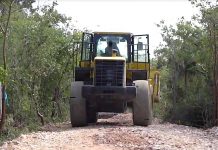
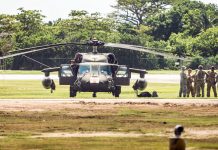
The recently established company wants to station two Black Hawk helicopters on the site. It intends to operate as an aviation contractor in the region, according to founder Myles Newlove.
Brac residents have expressed opposition both to the business itself and to the location for the helicopter hangar, aircraft parking area and offices.
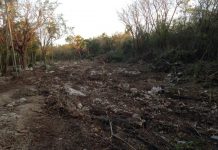
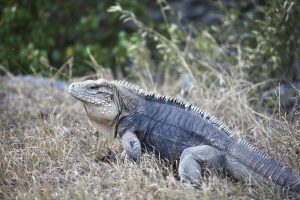
The site, next to West End Community Park, is a nesting area for endangered Cayman Brac rock iguanas and is also the location of an historic turtle kraal – used in previous generations to keep turtles alive until they were needed for consumption.
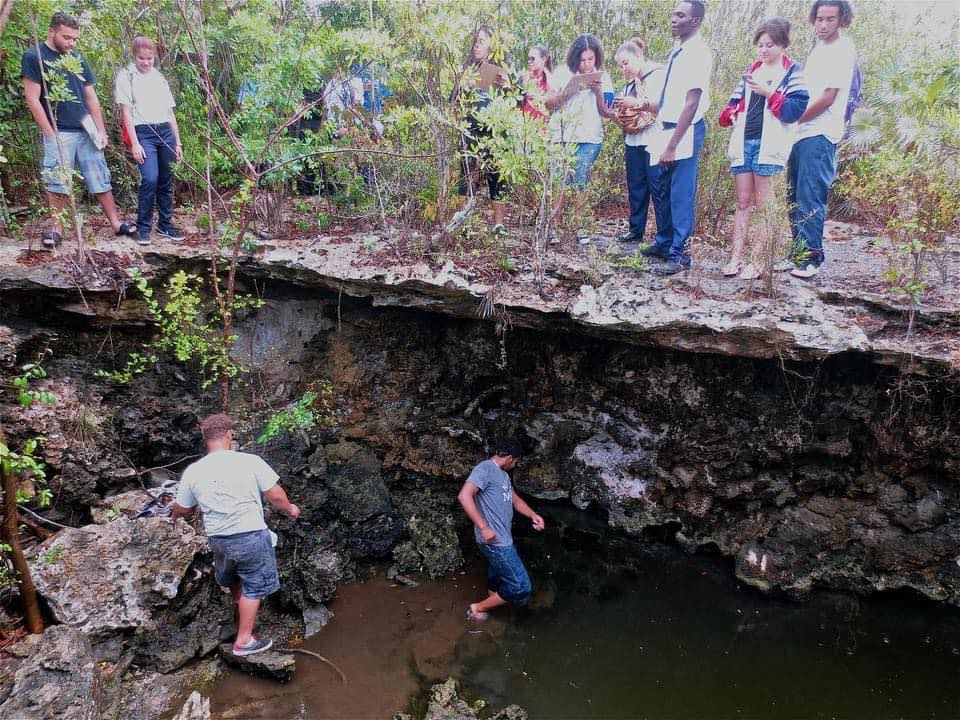
“The Daggaro proposal is of great concern to the National Trust, its Cayman Brac members and the greater community because of environmental and cultural impact,” Trust executive director Annick Jackman told the Cayman Compass.
“We have submitted an appeal against the project, and are in ongoing discussions with the government on this issue.”
Several neighbouring residents who objected to the original application and the Brac Beach Resort, which hosted the meeting on Saturday, are also contesting the decision.
Newlove said he was disappointed to learn of the appeal and insisted that the project, which represents an investment of between $7 million and $10 million, would bring jobs and investment to the Brac.
Martin Keeley, one of the organisers of Saturday’s meeting, said Brackers were very concerned that the project would damage culturally and environmentally significant property with no obvious benefit to the island.
He said it would involve concreting over an area of dry forest that was important habitat for an endangered species – the Sister Islands rock iguana.
As a specialist aviation business, he said Daggaro Cayman was unlikely to bring significant employment to the area.
He added that the relative spend of its staff on the island would likely be insignificant compared to the potential loss of tourists and long-term residents who are attracted to the Brac for its tranquility.
Many at the meeting also expressed concern about the company’s intended purpose, suggesting a business of this kind would not be a good fit for the island.
Keeley said the stated purpose of the business was “opaque” and appeared to have changed over time.
Though Daggaro’s website suggests it is involved in training and intelligence work, as well as pioneering emerging technologies in “manned and unmanned aircraft”, Newlove has said in media interviews that it will be a more traditional aviation firm.
He told the Compass that Daggaro would be a private contractor operating throughout the Caribbean and Central America, with search-and-rescue and medical evacuations as its principal business.
Though Newlove suggested that drones would not be a significant part of the business, Keeley said this was a concern.
Minutes from a Cayman Islands Airports Authority meeting from May suggest that Daggaro has been in talks over a drone business – initially in Grand Cayman – for some time.
The minutes note, titled ‘Drone Proposal’, indicates, “Discussions have taken place with the ministry and this project is moving ahead. Cayman Brac will be viewed as the operational base for drone testing.”
Newlove said the business had originally planned to set up in Grand Cayman but had been advised that, given the extent of the commercial traffic at Owen Roberts International Airport, the Brac would be a better location. He said plans for drones to play any part in the business model were shelved once it became clear that Cayman’s air regulations did not support that.
He said both the construction and operations phase of the business would lead to jobs on the island.
Newlove added that the size of the developed area was 2.5 acres, out of around 30 acres of forest abutting the airport. He said Daggaro had followed all the required regulations and had agreed to measures to protect nesting iguanas as part of the planning permission.
“We are disappointed (about the appeal) but we are there to build a facility and bring jobs to the community,” he said.
Keeley said it was concerning that the project had been on the radar of decision makers and government, at least since May, but had only been brought to the attention of Brac residents last month.
Michael Tibbetts, of Clearly Cayman which owns the Brac Beach Resort, also raised concerns about the project in a letter supporting the planning appeal.
He added, “We believe the peace and tranquility of Cayman Brac is the primary draw for travelers seeking remote and simple places of natural beauty. As such, my family is extremely concerned that the operation of military‐type helicopters around the Sister Islands from the Daggaro airbase will impact the travelers and investors in Sister Islands greatly if permitted to move forward.
“We will take every measure to oppose this project as we do not see any way that it will not permanently impact our business and the quality of life for all Cayman Brackers.”
Related Videos