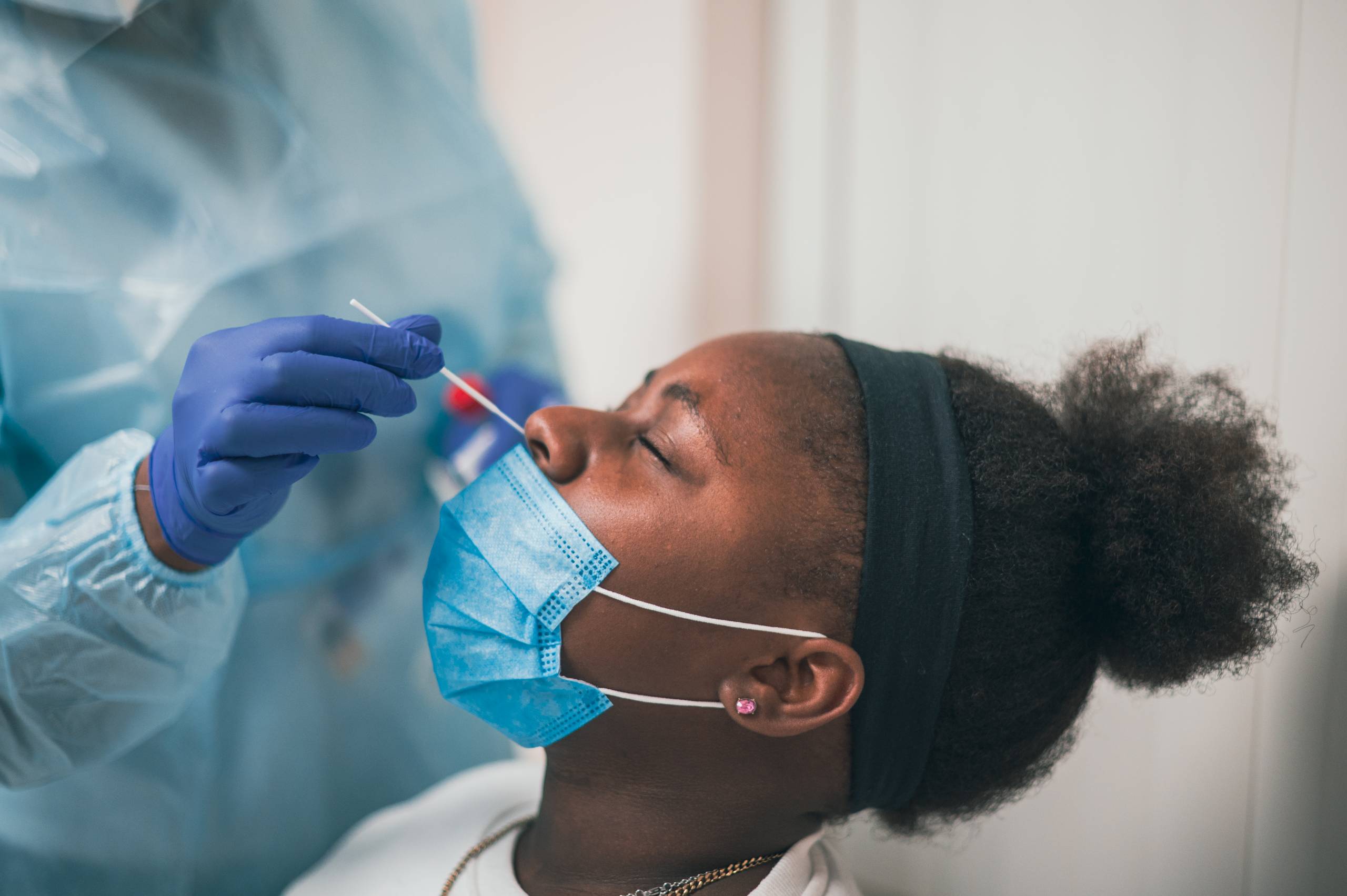
Public health chiefs are facing calls to drop the “exit test” for people in isolation amid concerns that some Cayman residents are being confined to their homes for up to six weeks.
There are almost 5,000 people now in quarantine across the Cayman Islands. Until now they have been required to clear a negative PCR test before they can be released.
But doctors caution that the highly sensitive tests can continue to register as ‘positive’ up to three months after infection.
Government appears to have responded to some of those concerns.
Public Health chiefs told the Cayman Compass on Thursday that they are now changing protocols to allow some people out of quarantine earlier – even with a positive test. If the exit PCR test result suggests they have a low viral load and are unlikely to be contagious, they can be let out of isolation under the new rules.
The US Centers for Disease Control and Prevention recommend a period of 10-14 days as sufficient from the onset of infection with COVID, to the point where the risk of a patient being infectious is diminished.
Both the UK and the US cap quarantine at 14 days, without the need for an exit test.
Dr. Sara Watkin, a paediatrician with Integra Healthcare in Grand Cayman, believes Cayman should take a similar approach.
Speaking before Thursday’s change in policy, she said she was receiving numerous calls from parents stuck in isolation with their children for several weeks at a time, including one child who had been cooped up for 45 days.
In those cases, she said, the potential mental health impacts to the child were likely greater than any public health benefit.
“The test is very sensitive. Once you have had a positive PCR result you can remain positive for 96 days. It doesn’t mean you are still infectious,” she said.
Dr. Watkin said, in her experience, Public Health had been flexible and understanding in its application of the regulations in response to parents. But she believes a change in policy is needed.

“We should have a policy that allows anybody to be released after they have quarantined for an appropriate amount of time, without an exit PCR test, instead using a negative lateral flow test, which is more pertinent to assessing transmission risk,” she stated.
Policy change
Public Health officials told the Cayman Compass, Thursday, that they have now adjusted the threshold at which isolating COVID patients can be considered for release.
Dr. Samuel Williams-Rodriguez, Medical Officer of Health, said anyone who had completed the mandatory isolation period of 10 days for vaccinated patients and 14 days for unvaccinated and had been asymptomatic for at least 72 hours would be released if their PCR result showed a lower viral load – indicated by a CT value of 32 or higher.
In simplistic terms, the CT value, which ranges from 1 to 40, reflects the number of times the sample had to be multiplied before the COVID-19 virus was detected. The higher the CT number, the lower the viral load.
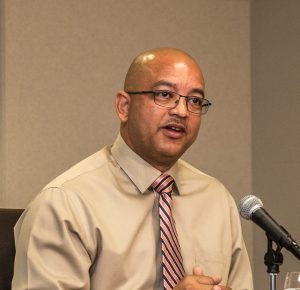
Williams-Rodriguez added that those with CT values of 30-32 were also now being considered for release from quarantine on discussion with health officials.
The change, implemented in the past two weeks, is expected to make it easier for people to get out of isolation after two weeks.
He said lateral flow tests, which are reliable at high viral loads but less so at lower levels, could not be used to release anyone from quarantine
Daily testing traumatic for kids
Watkin spoke at the Cayman Healthcare Conference in October, highlighting concerns that the COVID-19 protection and prevention measures were potentially more harmful than the virus itself, which is relatively mild in children and has a fatality rate of one in 500,000.
Speaking to the Compass this week, she said she was less concerned now that government had amended its initial policy of closing schools for 15 days at a time when a positive case was identified.
She said the new policy of allowing children to stay in school with the help of lateral flow testing was more pragmatic.
But she highlighted ongoing concerns for some youngsters, particularly children under six. Because of the frequency of COVID cases in some schools and nurseries, she said there were kids who had been required to take lateral flow tests every day since the rule came into force.
“For some of them, it is quite routine, like brushing their teeth. For others, particularly younger children, it is quite traumatic. I think that could easily be reduced to twice-a-week.”
Legal concern
Prathna Bodden, an attorney with Samson Law, said her phone had been ringing off the hook over the past few weeks with people concerned about the length of time they were being held in isolation.
“People are very upset about it because their kids are out of school and/or they are out of work and they can’t get a test on time much less timely results,” she said.
“Some people are being kept longer than others and the system is inconsistent. Some people are released in a few days and some are in for far longer because they can’t produce a negative PCR test.”

She said a legal case was unlikely because most people – even those held longer than 14 days – would be free by the time a any action for unlawful detention could be heard.
However, she believes some cases, could be stretching the limits of the legal authorisation for quarantine.
The Public Health Law permits a number of extreme measures, including compulsory quarantine for the “prevention, control or suppression of infectious disease”.
However, Bodden, suggests that could be open to challenge in some instances, for example, where continued detention is a consequence of a lack of testing capacity.
She also questioned whether people testing positive for COVID under a PCR test after more than 14 days quarantine could be considered a threat to public health, given the extent of COVID already in the community and the high degree of sensitivity of the PCR tests.
She said using a positive PCR test alone – particularly one which showed a low viral load – as justification for continued detention on public health grounds was dubious when research and policy in other jurisdictions suggested they were unlikely to be contagious or infectious.
“When we say someone is positive what are we talking about? Surely it has to mean you are at risk of spreading the virus,” she said.
“They need to axe the exit test because some people will test positive for months without actually being any risk to the public.”
PCR test is highly sensitive
The PCR test results carry a CT threshold number which can be used as a guide to the “viral load”.
Dr. Frank Koentgen, the Cayman Enterprise City based scientist who helped set up and run the Doctors Hospital COVID testing lab, said it was possible for people, particularly those with weaker immune systems, to return positive PCR tests for months, at higher CT levels.
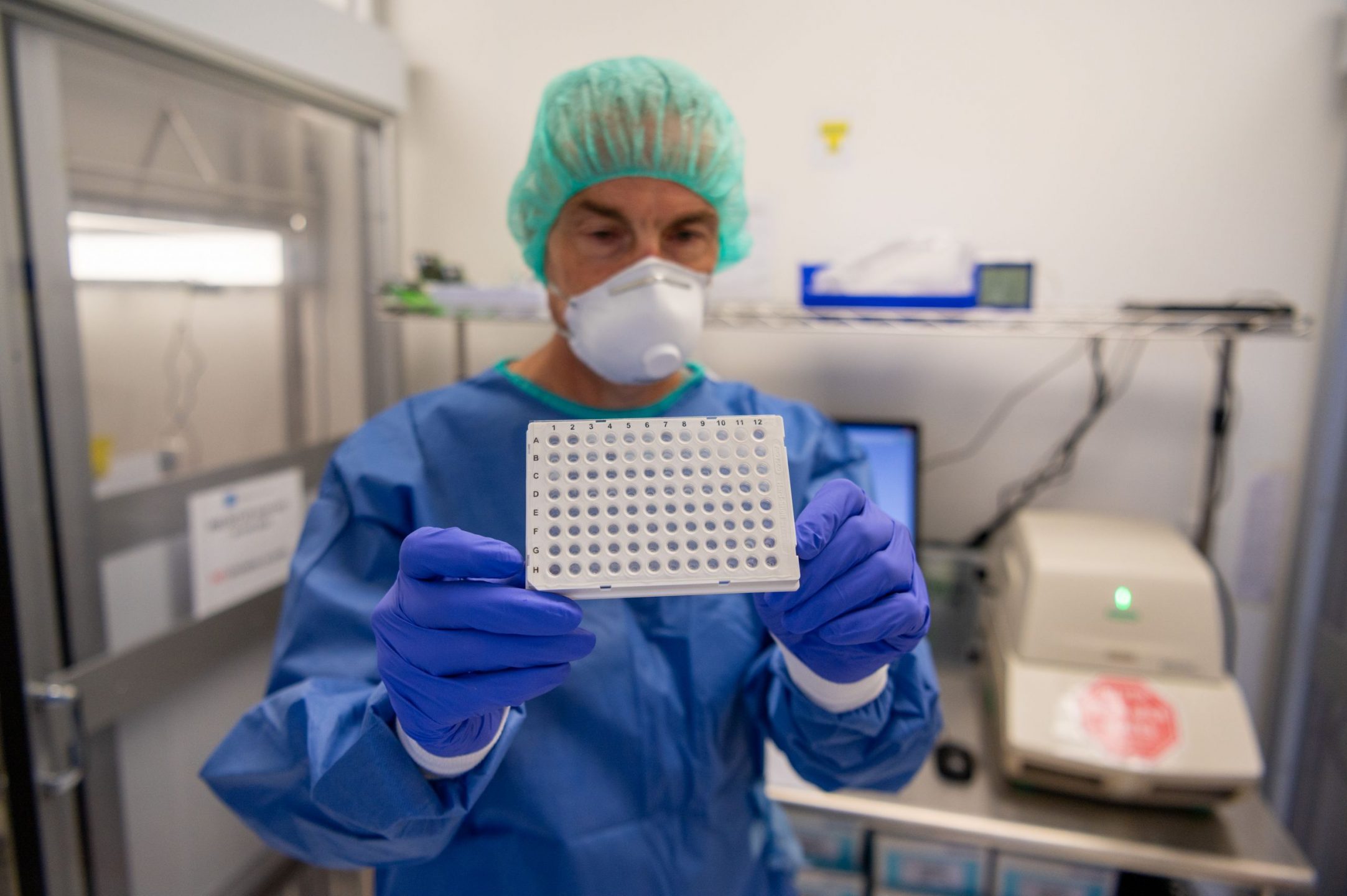
He said it was sensible to lower the threshold and allow people to be released sooner at a time when they are technically COVID positive but unlikely to be contagious.
New reality
Michael Tibbetts, a medical doctor and tourism business owner who is part of the Reopen Cayman campaign, said Cayman’s policies had not adjusted to the “new reality” on the ground.
He said exit testing may have been appropriate when there was no COVID in the community but was unnecessary given the prevalence of the virus.
“It is a big disruption to families and businesses and it is not stopping the spread.”
Related Videos