

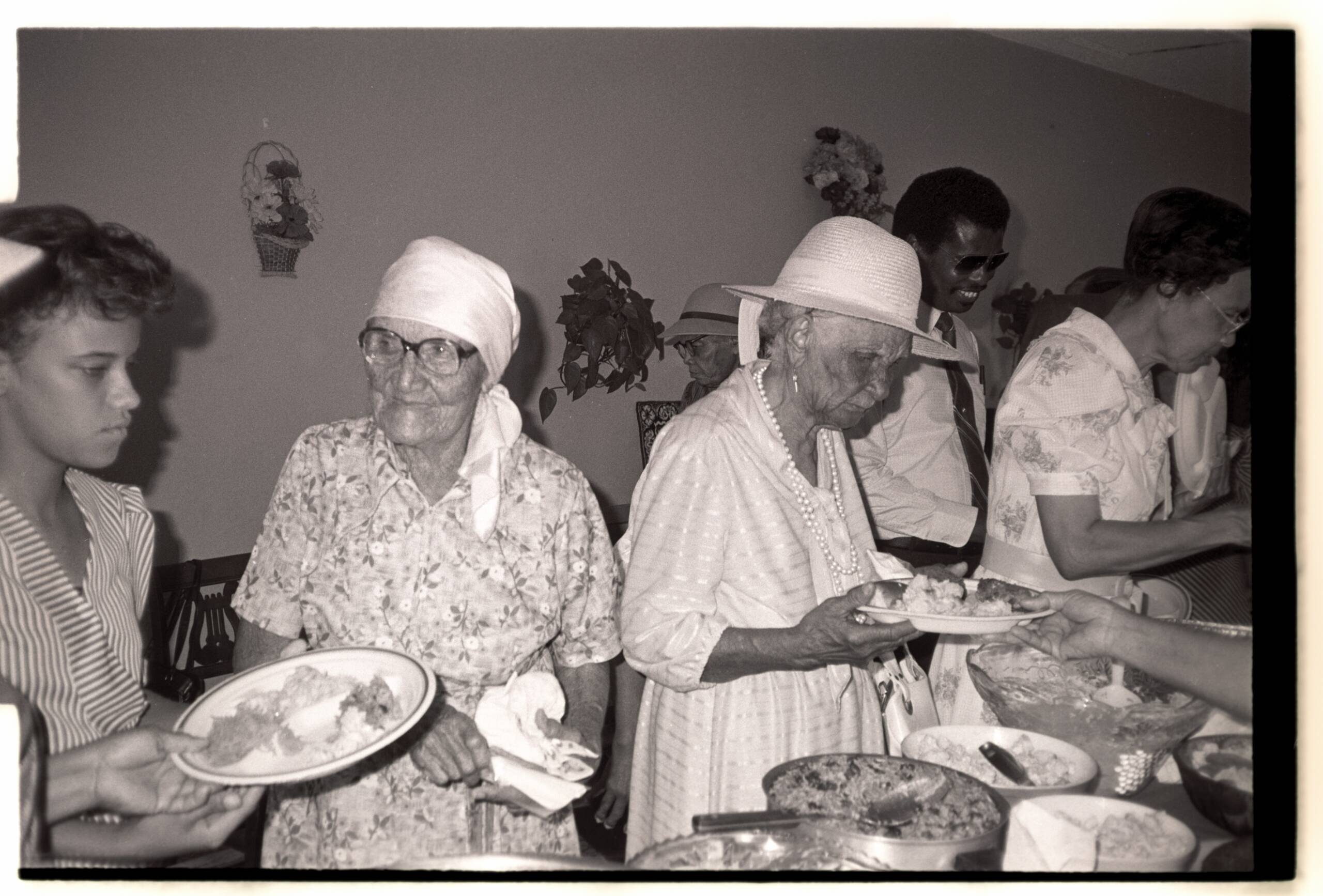
When it comes to Christmastime in Cayman, food has always played a big part in the celebration, much like it does around the world.
Different countries have different culinary traditions, where certain items are key to the feast. Cayman is no different. Here, Christmas beef is a treasured dish, along with turtle stew, lobster and conch (both of the latter are in season right now). Then there is heavy cake, fruit cake and all of it washed down with a glass or two of sorrel.
Back in the old days, certain fruits were hard to come by, and the carbonated drinks that we now all take for granted were considered a luxury.
We spoke to Caymanians, who talked of those times with great fondness.

“The smell of apples would be so strong,” Rina Ebanks said, with Shirley Jackson adding,
“Yes, the smell of apples meant it was Christmas for sure. Also, getting a couple of cases of mixed canned sodas, oh my… what a delight!”
Jackson also mentioned the drummers that many locals remembered from their youth, going from house to house through Christmas Eve, into the wee hours of the morning.
“The sound in the distance of those marchers drumming and getting closer and closer to our house was the most exciting sound on earth for us. Well, it was a tie between that and the early morning banging of pots and pans as our parents would start making Christmas cakes and all the delicious food for Christmas Day,” she said.
Ernestina Cole said that the first time she got a piece of ice, it was during Christmas and she remembered trying to stop it from melting, while Uldeen Evans recalled “backing sand for our yard, spreading it and making sure every spot was covered, and the smell of apples, and the heavy cakes cooked on the caboose with heaps of coals on the cover… Lord have mercy”.
Monica Rankine talked about her warm memories of food and family.
“Children singing Christmas carols on the school bus on our half-days for the Christmas break. Cayman beef in the outside caboose with the cassava cake. Cow tripe hanging out to dry, then we roasted it. My little piece of East End memories. And, of course, all the family at grandma’s house,” she said.
Just as the supermarkets at this time of year have specialty stock that we only usually see in December, so it was back then, but on a much simpler scale. Walk into Foster’s, Kirk Market or Hurley’s this week and you’ll see shelves and tables laden with biscuits, exotic nuts, mince pies and huge chocolate selections. Many years ago, islanders felt the same excitement when greeted with their favourites.
“The only time that we saw grapes and apples was Christmas time. We also ate [beef] and pork once a year – again, at Christmas time,” said Julie Brown.
“True; before you even entered the store, you knew Christmas was in the air, not because of the decorations but the aroma of the apples and grapes. That was the only time you got them,” Rachel Ebanks added.
There are local recipe books to be found in the shops, but here are a couple of recipes we originally published in 2014, in case you’d like to try your hand at adding Caymanian Christmas dishes to your festive table.

Christmas beef
(From ‘Miss Cleo’s Cayman Kitchen: Treasured Recipes from East End’, reprinted in 2010)
Seasoning blend
8 cloves fresh garlic
1 teaspoon dried thyme or 2 large sprigs fresh thyme
4 large scallions, white and green parts
1/2 seeded Scotch bonnet pepper or 3 mutton peppers, including seeds
4 seasoning peppers
1 teaspoon table salt
1 teaspoon freshly ground black pepper
1 tablespoon Worcestershire sauce
1 tablespoon Pickapeppa Sauce
For the beef
4-1/2-pound boneless rump roast or sirloin tip roast
1 tablespoon vegetable oil
1 tablespoon Worcestershire sauce
1 teaspoon table salt
1 tablespoon Garlic & Herb Mrs. Dash seasoning blend
1-1/2 teaspoons ground black pepper
2 teaspoons browning or Kitchen Bouquet
1 large onion, chopped
3 seasoning peppers, chopped, including seeds
Beef broth (as needed)
Directions
Rinse the beef in cold water and vinegar and pat dry. Trim off any thick sections of excess fat, but leave a nice layer on one side. Pierce beef all over with a sharp knife, making cuts deep enough to hold seasoning. Combine the garlic, thyme scallions and peppers in a small chopper or food processor and chop fine, or chop by hand. Use a rubber spatula to scrape this into a small bowl. Add the salt, ground pepper and Worcestershire sauce and Pickapeppa Sauce and mix well. Before you begin seasoning the meat, put on disposable vinyl gloves if you have them – the hot pepper will irritate your skin. (If you don’t use gloves, then remember to wash your hands immediately after handling the beef, for sanitary reasons as well).
Put the meat on a platter, and using your fingertips, stuff some seasoning into each cut in the beef. This takes time to do properly, and be sure to push the seasoning in deep enough so the flavors will penetrate the meat. Spread any remaining rub over the surface, top and bottom and ends. Cover the beef tightly with plastic wrap (not foil!) Refrigerate overnight, or even better, a day or two.
When ready to cook the meat, remove roast from refrigerator and let stand at room temperature, covered, for 30 minutes. Remove wrap and heat oil in Dutch oven or heavy pot over medium high heat until hot. Place the beef in the hot oil and use a large, heavy fork to turn meat, browning well on all sides, turning as each side browns. Turn off the heat and remove the roast from the pot to a clean platter and sprinkle with Worcestershire Sauce, salt, Mrs. Dash and pepper. Now sprinkle the browning and smooth evenly with a knife over the roast.
Preheat oven to 325 F. Add the onion to the pot, stirring so any browned bits stuck to the bottom are loosened and mixed with the vegetables. Return the roast to the pot and heat over medium high heat for 3 minutes until vegetables begin to soften. Add the broth, to make a half inch, and stir again – I throw in a few more sliced seasoning peppers, too.
Cover beef and bake about 2-1/2 hours. The vegetables and broth should provide enough cooking liquid (and gravy base). However, you should check the roast from time to time to make sure it isn’t drying out, and turn it as well. This is very important if you aren’t sure of your exact oven temperature.
Add a little more broth if necessary.
Remove cover during the last 30 minutes of roasting. Beef is done when you can pierce easily with a fork – some prefer even “falling apart” for shredding. Remove from heat and transfer the roast to a serving platter. Cover with aluminum foil and let stand for 20 minutes before carving. Make gravy if desired from the cooking liquid or taste. Adjust seasonings if desired, and spoon over beef as is.
Miss Cleo stated: “After you go through all the work of browning the beef, you can also cook this recipe in a 6-quart crock pot or slow cooker for 12 hours on low, or 5-1/2 to 6 hours on high and walk away for the day! It won’t have as nice a crust, but it will still be delicious.”
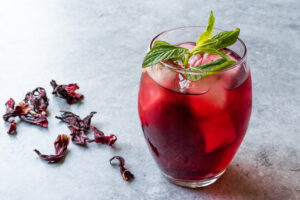
Spiced Sorrel
(Courtesy of the Cayman Islands Tourism Association)
Ingredients
1 pound sorrel sepals
1 teaspoon ginger, minced and crushed
1 teaspoon cloves
1 teaspoon cinnamon
1 tablespoon orange zest
2 litres of water
8 tablespoons sugar
Optional
White rum
Directions
Separate sepals from seeds and rinse. Add sorrel, ginger and orange zest into large container (or six canning jars). Add boiling water and cover with cloth. Set aside for at least 24 hours. Add sugar (and rum) to taste. Set aside for another 24 hours. Bottle and chill.
Traditional festive dishes around the world
Kūčios (Lithuania)
Latkes (Israel)
Christmas Goose (Germany)
Panettone (Italy)
Tamales (Costa Rica)
Christmas Pudding (England)
Bûche de Noël (France)
Melomakarona (Greece)
Cookies (Poland)
Bacalao (Mexico)
Saffron Buns (Sweden)
Roast Pig (Philippines)
KFC (Japan)*
*In Japan, the Christmas season is the most wonderful time of the year for KFC. Because about 3.6 million Japanese families eat KFC on Christmas Eve, they often need to reserve their meal up to two months in advance.
During the 1970s, KFC put together a holiday party bucket and behind it, a brilliant marketing plan. At the time, Japan didn’t have many Christmas traditions. KFC filled that void by telling consumers “here is something that you should do on Christmas”. The trend caught on quickly.
Today, the KFC Christmas bucket doesn’t include just fried chicken. It also includes a Christmas cake – another important food item on Japan’s holiday menu.
Related Videos






