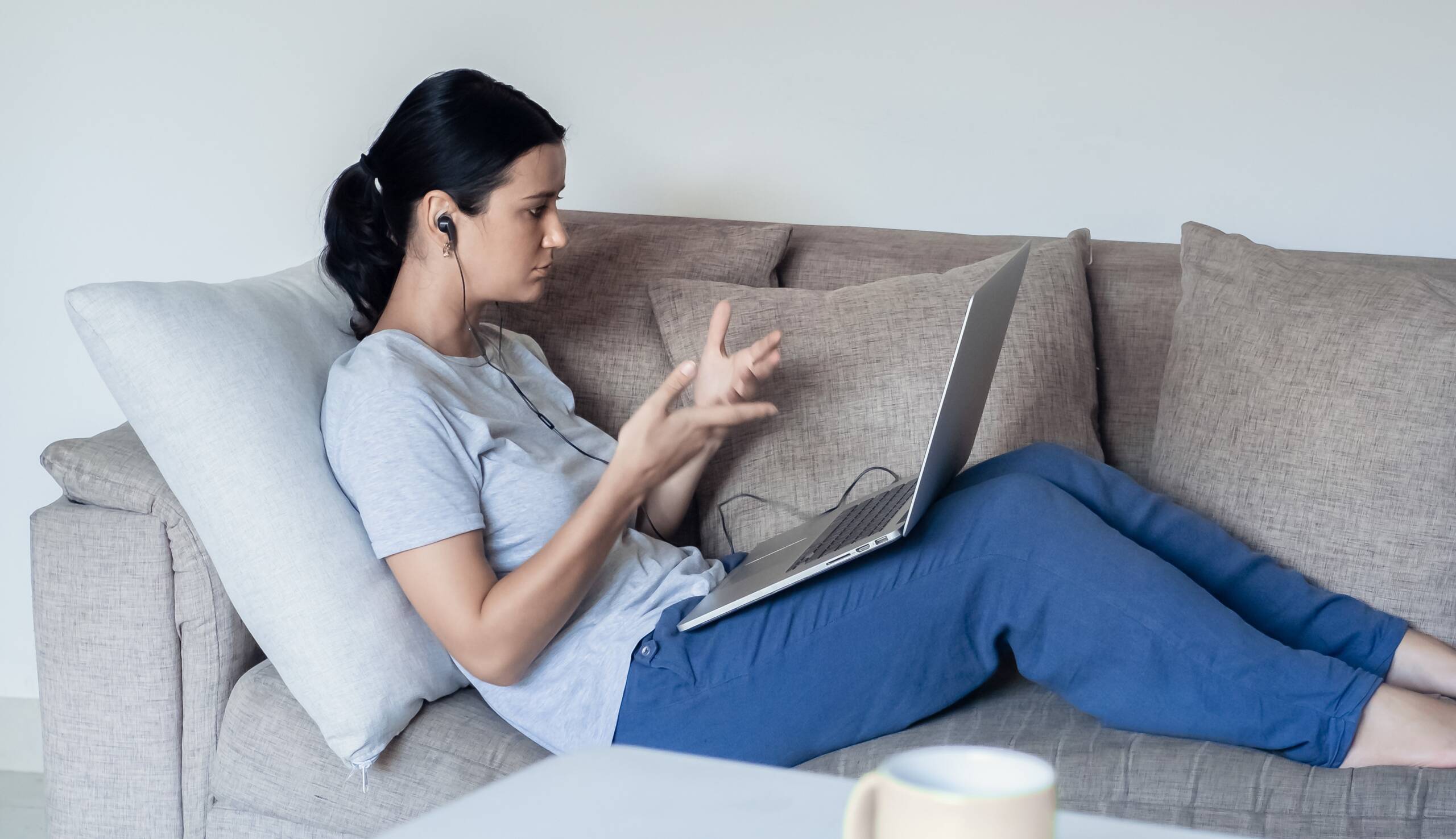
Staff in Cayman, like in the rest of the world, have come to grips with working from home over the past two years, as the pandemic closed offices and workplaces across the globe. One side-effect of this enforced teleworking has been the impact on the mental and physical health of employees.
Last week, the World Health Organization and the International Labour Organization released a report based on reviews of several international studies looking into pros and cons of working from home, and examining both the detrimental effects and the benefits that have been seen.
While slumping over a laptop on a coffee table for hours on end have no doubt caused plenty of back and neck problems, and working alone has led to isolation and loneliness for some, having more time to exercise and spend with family rather than commuting to and from work has led to a healthier work-life balance for others, the report from the two United Nations bodies found.
Prioritising mental health
Here in Cayman, the Employee Assistance Programme, which offers counselling and advice to workers, has seen a rise in the number of people reaching out for assistance, as the stress of working from home and living in the middle of a pandemic takes its toll.
Cindy Blekaitis, programme manager with the EAP, said, while this increase may be seen as a dilemma, it is an indication that people are prioritising their mental health – something that may not have happened pre-pandemic.
“More people are taking their mental health seriously,” she said, adding that there had been a push for years to “normalise” mental health and to break the stigma that is often associated with it.
“There has been a uptick in social anxiety,” Blekaitis told the Compass, as people deal with whether to return to work or attend gatherings while COVID is spreading through the community.
But this anxiety, and other stresses that have come to the forefront during the COVID pandemic, means that everyone is becoming much more aware of the impact on their mental health, and taking steps to address it.
“One of the advantages of this has been that people are making their mental health a priority,” Blekaitis said. “They’re having more discussions with their friends and families about their mental health. People are more accepting about feeling anxious and are no longer just pretending that something isn’t bothering them. Now, people are more willing to discuss in their peer groups.”
She added that, in the past, people were far more reluctant to admit that ailments they had might be stress-related. “People would rather have something physically wrong with them than admit to some form of anxiety or psychological issue. … Now they’re more open to the idea of therapy and getting help,” she said.
Overworking is also an issue that people are dealing with, with individuals putting in longer hours than they would in their office, just because their computer is right there in their homes and they find hard to disengage.
Laptops on kitchen tables
Physiotherapist Lindsay Bridgeman said she and her colleagues at Cayman Physiotherapy have seen an uptick in patients coming in for treatments to address issues caused by working from home or home-schooling, “possibly more so last year when people weren’t well set up for home working”.
She added, “Some companies are very good at helping staff be ergonomically well set up at home but lots of people, including me, are on laptops at their kitchen table, which is ok for short spells but really not for full work days.”
According to the WHO and ILO report, “Telework settings may fail to meet the occupational safety and health standards available at traditional worksites. Poor physical environment and workplace design and inadequate equipment and support can result in musculoskeletal disorders, eye strain and injuries.”
However, when organised and carried out properly, “telework can be beneficial for physical and mental health and social well-being,” the report continued. “It can improve work–life balance, reduce traffic and time spent commuting, and decrease air pollution, all of which can, indirectly, improve physical and mental health. Telework can also have public health and social benefits.”
Overall, the review of studies reported that home-based telework is generally seen by workers as having a positive effect on their self-reported health, but can lead to problems arising from workstation design and long working hours.
“The pandemic has led to a surge of teleworking, effectively changing the nature of work practically overnight for many workers,” said Dr. Maria Neira, director of the WHO’s Department of Environment, Climate Change and Health in the report. “In the nearly two years since the start of the pandemic, it’s become very clear that teleworking can easily bring health benefits and it can also have a dire impact.
“Which way the pendulum swings depends entirely on whether governments, employers and workers work together and whether there are agile and inventive occupational health services to put in place policies and practices that benefit both workers and the work.”
Vera Paquete-Perdigão, director of the ILO’s Governance and Tripartism Department, said in the report that teleworking and, particularly, hybrid working – a mix of working from home and in the office – are here to stay and are likely to increase after the pandemic, as both companies and individuals have experienced its feasibility and benefits.
“As we move away from this ‘holding pattern’ to settle into a new normal, we have the opportunity to embed new supportive policies, practices and norms to ensure millions of teleworkers have healthy, happy, productive and decent work,” she said.
The review listed the following recommendations:
- Employers should encourage workers to set boundaries on work hours and keep to a regular schedule, to ensure they do not to work an excessive number of hours. Timers and hour logs can help workers track their hours and stay within a healthy work schedule, but such tools must be confidential, and workers should not feel they are being monitored or are under constant surveillance.
- Employers should avoid contacting workers outside of scheduled work hours, and should encourage co-workers and managers to communicate only during scheduled work hours.
- Regular social interactions during telework (e.g., virtual meetups and dedicated social time before and after meetings) may decrease the sense of isolation and detachment during telework. Workers should be encouraged to connect with co-workers for virtual gatherings and informal chats.
- Employers should provide teleworkers with ICT tools and software that will help them to connect efficiently with co-workers and managers. Regular communication with managers and peers about current happenings, sharing of information and problem-solving ideas, and discussing performance-related issues can reduce psychosocial strain. However, it is important for employers and managers to be aware of the number of online meetings employees are involved in, especially the number of back-to-back meetings.
- Workers should be encouraged to engage in enjoyable social and recreational activities during work breaks. This could include short physical activity breaks.
- Workers should be informed about the potential psychosocial risks related to telework, the early symptoms of mental ill health, and how and where they can access psychosocial and mental health supports.
- Teleworkers should be trained on appropriate work behaviour and digital etiquette while interacting with colleagues, and on how to identify and respond to abuse or bullying.
Related Videos