By Cayman Compass contributor Melissa Quinn
Part 1 of a two-part column
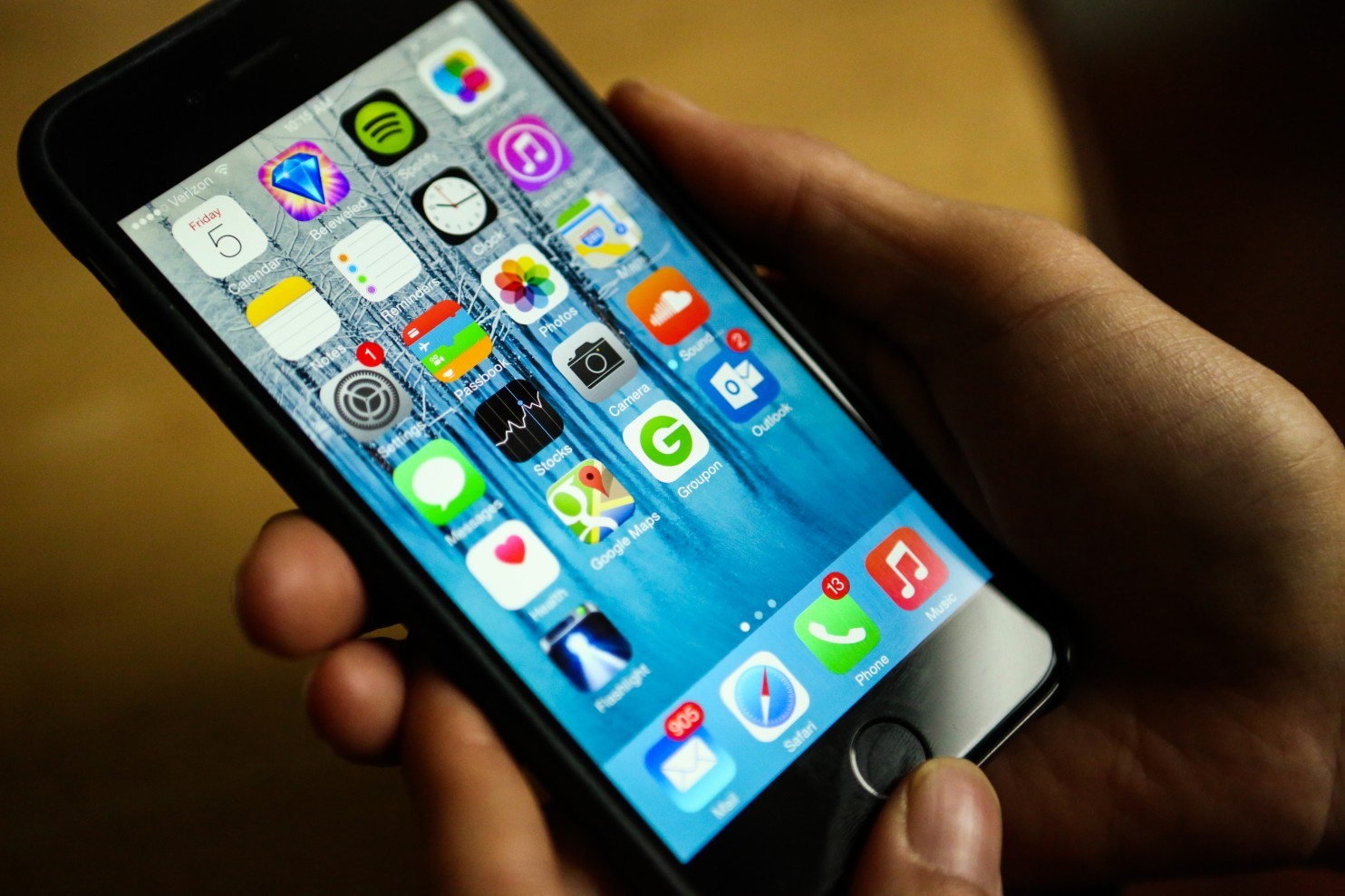
Anyone born after the latter half of the 1990s experienced what is now referred to as a ‘smartphone childhood’. Generation Z was the first generation to grow up with smartphones readily available, and parents, often unknowingly, handed children iPhones or iPads to keep them occupied in restaurants or other situations where it was easier for children to be seen and not heard.
The problem with this was that while we as parents, myself included, were enjoying uninterrupted adult time, our children’s brains were processing information faster than any generation before them.

Previous generations did not have access to technology around the clock. Even when Nintendo, Sega Genesis or Atari were available to us, most of us had to carve out time to play, fight with siblings for a turn, or invite a best friend over for a competitive two-player game. There was still, to some degree, a great deal of human interaction. What changed was the introduction of online gaming and the ability to connect with strangers across the world.
This fundamentally changed childhood socialisation. Previous generations were required to go outside, make friends in the neighbourhood, charm their way into a social circle and continue working to maintain those friendships. With chatrooms and online gaming communities, however, children could simply leave uncomfortable situations and immediately find another group to engage with, making friendships increasingly transient and disposable.
In addition to changing social dynamics, children were also no longer exposed to the same level of real-time critical thinking and risk assessment. Previous generations climbed trees, fell from playground equipment and learned through physical experience how to better identify danger and navigate discomfort. The smartphone generation, unfortunately, did not develop these skills in the same way.
Due to the speed at which information is shared through social media, online gaming and endless digital platforms, children began processing information faster than the human brain was ever designed to. Then came algorithms – programming designed to analyse the content we consume and tailor the delivery of new content directly to our interests. More of what you like, faster and more efficiently. It is said that we decide within roughly three seconds whether we remain engaged with a reel or video, meaning we are now scanning information so rapidly that our brains are becoming overloaded. This has contributed to what experts refer to as attention fragmentation, where we are rarely ever fully present.
The average smartphone user checks their phone between 144 and 300 times during waking hours, depending largely on age, with younger generations tending towards the higher end of the scale. This means that while we are in meetings, at school, watching television or having conversations, our attention is constantly being interrupted.
Scientifically, it takes approximately 20 minutes of uninterrupted focus for the brain to enter what is known as a flow state – the mental state where thoughts move naturally and concentration deepens, or what younger generations now refer to as being ‘locked in’.
Neurologically, these constant interruptions create anticipation, cognitive switching and mental fragmentation, contributing to unprecedented levels of anxiety and nervous system dysregulation.
The question is no longer whether smartphones have changed us. The question now is: how much?
In part 2, we’ll explore what happens when constant stimulation meets dopamine, comparison culture and the very human desire to belong.
Melissa Quinn is a yoga educator and wellness entrepreneur with 24 years of experience. She specialises in transformative teaching and holistic health education.
Related Videos