The first Cayman Documentary Festival, happening from 16-21 March, covers subjects from the environment and crypto-currency to an extraordinary music festival from yesteryear and an iconic chef and traveller.
Although the majority of the films being shown are internationally-produced projects, ‘The Great Disconnect’ was conceived here and had several Caymanian crew members on the team. Accompanying the latter will be the first episode of the ‘Island Jobs’ series, created by Cayman Current and screening on Friday, 18 March. Then there is ‘Living on the Margins’, a Cayman Compass production – in partnership with charity Acts of Random Kindness – which was written, produced and directed by Alvaro Serey and James Whittaker.
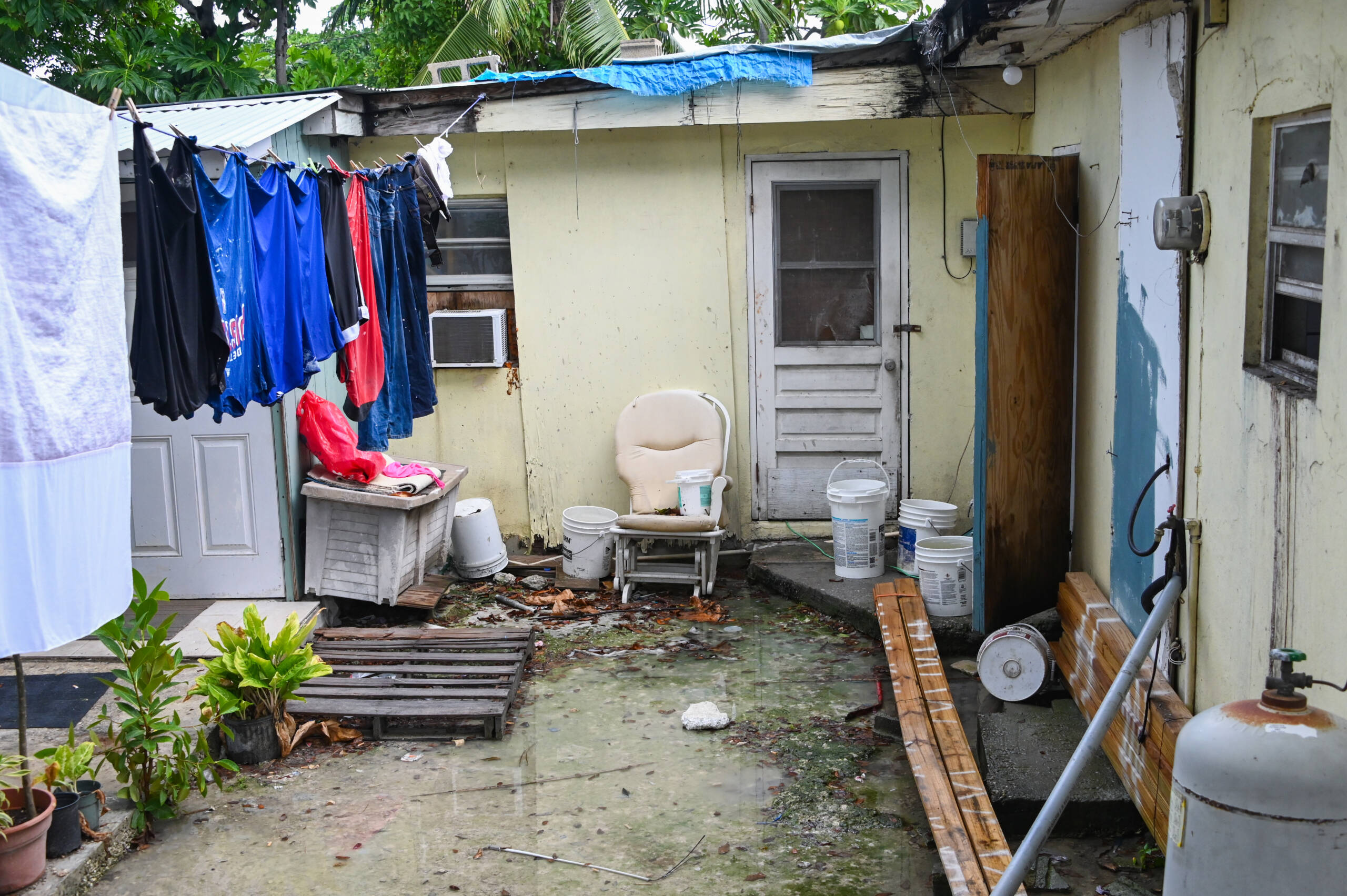
Scheduled to run immediately after ‘Roadrunner’, the documentary about the late Anthony Bourdain, it is a truly eye-opening 20-minute window into the homes of local residents who are struggling in substandard housing conditions. Far from the luxury and multi-million-dollar condos of Seven Mile Beach, these people grapple with leaking roofs and unsanitary surroundings, and lack the basic necessities that so many of us take for granted.
In the past, it has been difficult to get video footage or pictures of these situations, as the subjects are understandably reluctant to reveal their circumstances. Such is often the case in a small community. It has enabled the affluent to remain somewhat oblivious to those living in poverty, not many miles away. However, thanks to the pioneering work of ARK and the willingness of some individuals to come forward and speak to journalists Whittaker and Serey about the daily challenges they have to deal with, we are finally getting a true picture of our neighbours’ difficulties.
Founder of ARK, Tara Nielsen, talks on camera about the fact that those who are suffering are hidden down back streets, well out of the public eye. It is an ‘out-of-sight, out-of-mind’ issue that this film aims to correct.
Hurricane Ivan may be a distant memory to most, but as can be seen in this documentary, there are still buildings that have not fully recovered from the storm’s wrath, due to the owners’ lack of financial means.
Maria Diaz, who cares for her infirm husband in a home really not fit for humans, also has a son sleeping on a mattress under a dripping ceiling every time it rains.
Martha Hurlston tries to hold back the tears as she speaks about living in a converted trailer with her young daughter, where the only electricity comes from a generator that runs on petrol at $15 a night. It’s hardly a long-term solution.
Josepha Carter has her daughter and her daughter’s four children staying with her at times, and Carter’s son – who has been sick for a long time and cannot work – lives there full-time. Carter herself is not well, and needs a nebuliser and oxygen to help her breathe. With mould creeping through the walls and ceiling, her home could literally be considered a deathtrap.
ARK has been taking steps to help those in need, one house at a time, through its Casa programme, but each is an almost-overwhelming project. There is no question that the community has to be more aware of people who have been left behind, and do what they can to assist.
As someone who only saw this documentary recently, I can honestly say it makes for shocking but necessary viewing. Only when we all know the extent of the problem, can we truly grasp its enormity and hopefully help make a difference.
Since ‘Living on the Margins’ was filmed in 2021, some of those profiled have received assistance and are now in better situations – proof that the programme can work.
“I hope by sharing some of these stories, it will inspire people to make a donation to [ARK],” Nielsen said.
‘Living on the Margins’ will be screened as part of the Cayman Documentary Festival on Monday, 21 March at approximately 8:30pm, immediately after the screening of ‘Roadrunner’. At press time, the evening was sold out, but you can see this documentary online here.
Related Videos