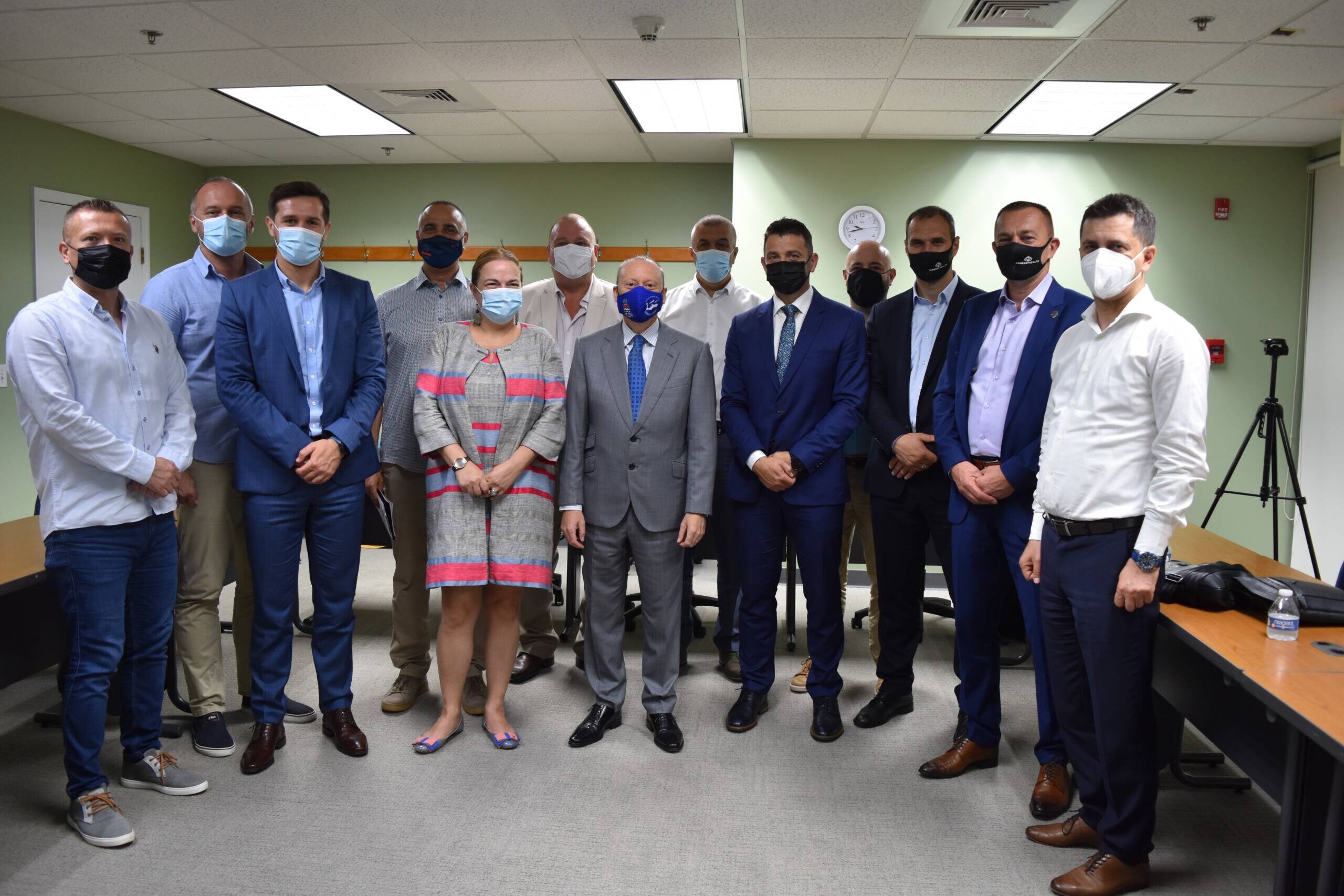
Governor Martyn Roper said Cayman needs to do more when it comes to going after the proceeds of crime.
Roper, speaking at the opening of a training seminar hosted by the US Embassy in Sarajevo last week, held at the RCIPS Training centre in Cayman, said the jurisdiction has its challenges like everywhere in the world but is regarded as “generally well governed”.

He said corruption needs to be seen as a global problem that erodes public trust and undermines governments, large and small, and the private sector to deliver on behalf of their citizens.
In Cayman, he said mechanisms to “go after the proceeds of crime” need to be strengthened.
“At the moment, our legislative framework is not quite where it needs to be. But we do have a very positive, proactive approach to international law enforcement cooperation… which is pretty fundamental to this jurisdiction with its financial services industry being a key pillar to the economy,” he said.
Despite this, Cayman’s legal and law enforcement mechanisms in the fight against corruption and terrorist financing earned high marks at the recently-concluded seminar.

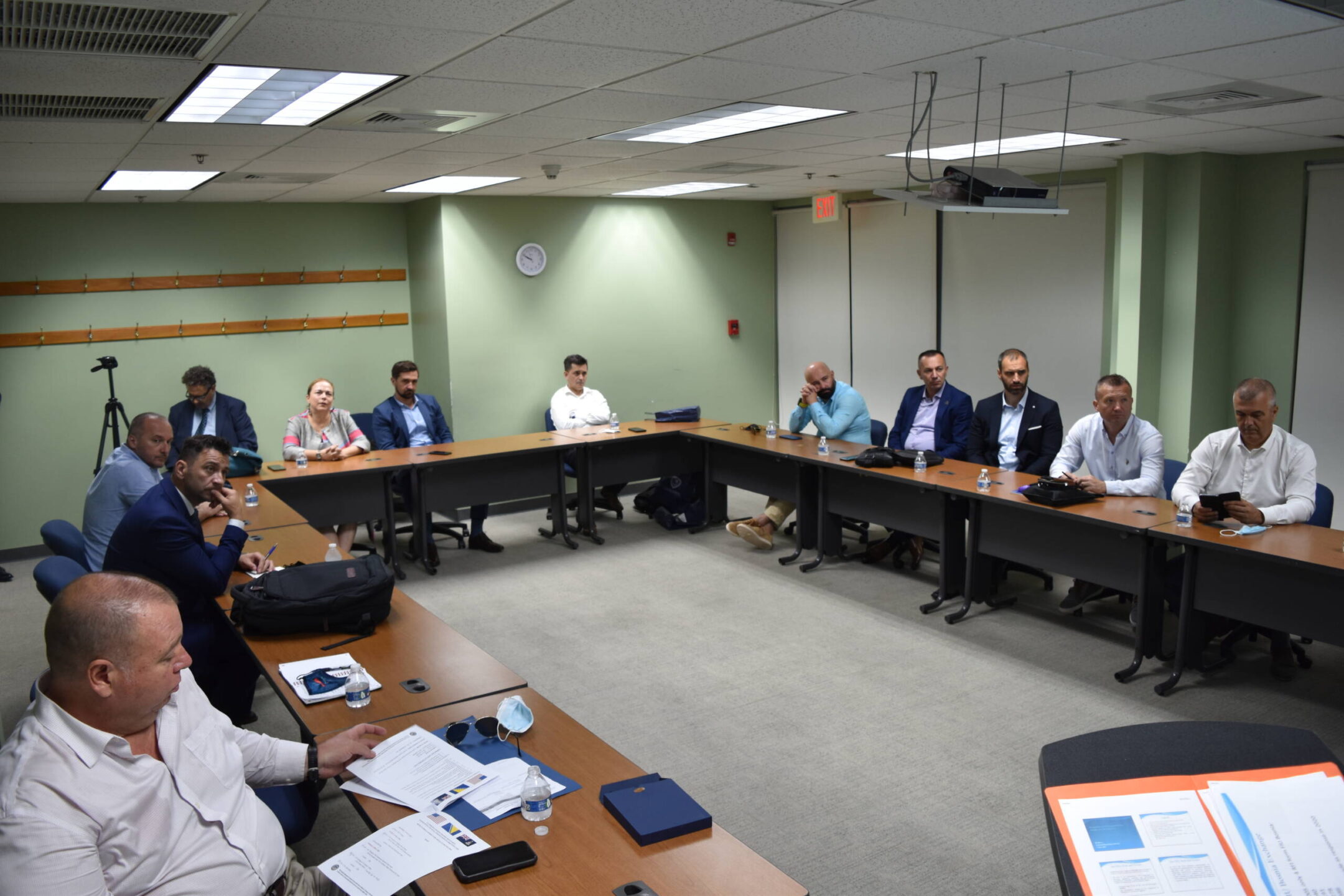
Local legislation and crime-fighting efforts took centre-stage as a team of Bosnian prosecutors, police and anti-corruption officials participated in the training conference and learned firsthand about systems in place here to flag abuse and guard against illegal activities.
“Cayman is actually a leader in addressing some of these problems. That’s one of the reasons we’re here. There are other overseas banking centers that are perhaps not as far advanced as Cayman’s,” Erik Larson, senior anti-corruption advisor at the US Embassy in Sarajevo told the Cayman Compass.
The training seminar, which focused on international financial investigations in corruption cases, was hosted in partnership with the Royal Cayman Islands Police Service and the UK government.
The seminar commenced in Miami on 4 June and moved to Cayman last week for the closing days, during which the international participants were briefed by various local and international experts on anti-corruption investigations.
Cayman, he said, is a major overseas financial centre with unique and fairly sophisticated experience in tracking criminal financial flows.
“So we want to take advantage of that and have all the authorities here share some of the best practices… since they have a lot of very relevant experience in fighting corruption and organised crime,” Larson explained.
He said the training seminar was a critical component to help Bosnia and Herzegovina tackle the corruption challenges they are experiencing there.
With the country seeking to join the EU and NATO, Larson said it risks opening them up to “malign foreign influence and its impacting the economy”.
Global partnership important in fight against corruption
Balkan-organised crime groups, Larson said, dominate the South America/Europe cocaine trade which means there’s a lot of money coming from this hemisphere through the Balkans.
The sessions from the seminar, he said, leaned towards skills for complex international investigations.
“Unfortunately, sometimes the criminals are better than us on the prosecution police side… I am talking globally. I’m a prosecutor by background,” Larson explained.
He pointed out that administrative bodies like anti-corruption commissions play an important role.
The seminar, which ended Friday, featured a number of presentation from local entities including the Financial Reporting Authority, the RCIPS, the Ombudsman and the Anti-Corruption Commission.
FRA Director RJ Berry shared details on the various legislative requirements that protect the financial services industry from abuse.
Berry said in the last year 1,025 cases were handled by the FRA with 99 requests received from foreign counterparts.
Cayman, he added, made 59 inquiries to foreign FRA counterparts.
Related Videos