

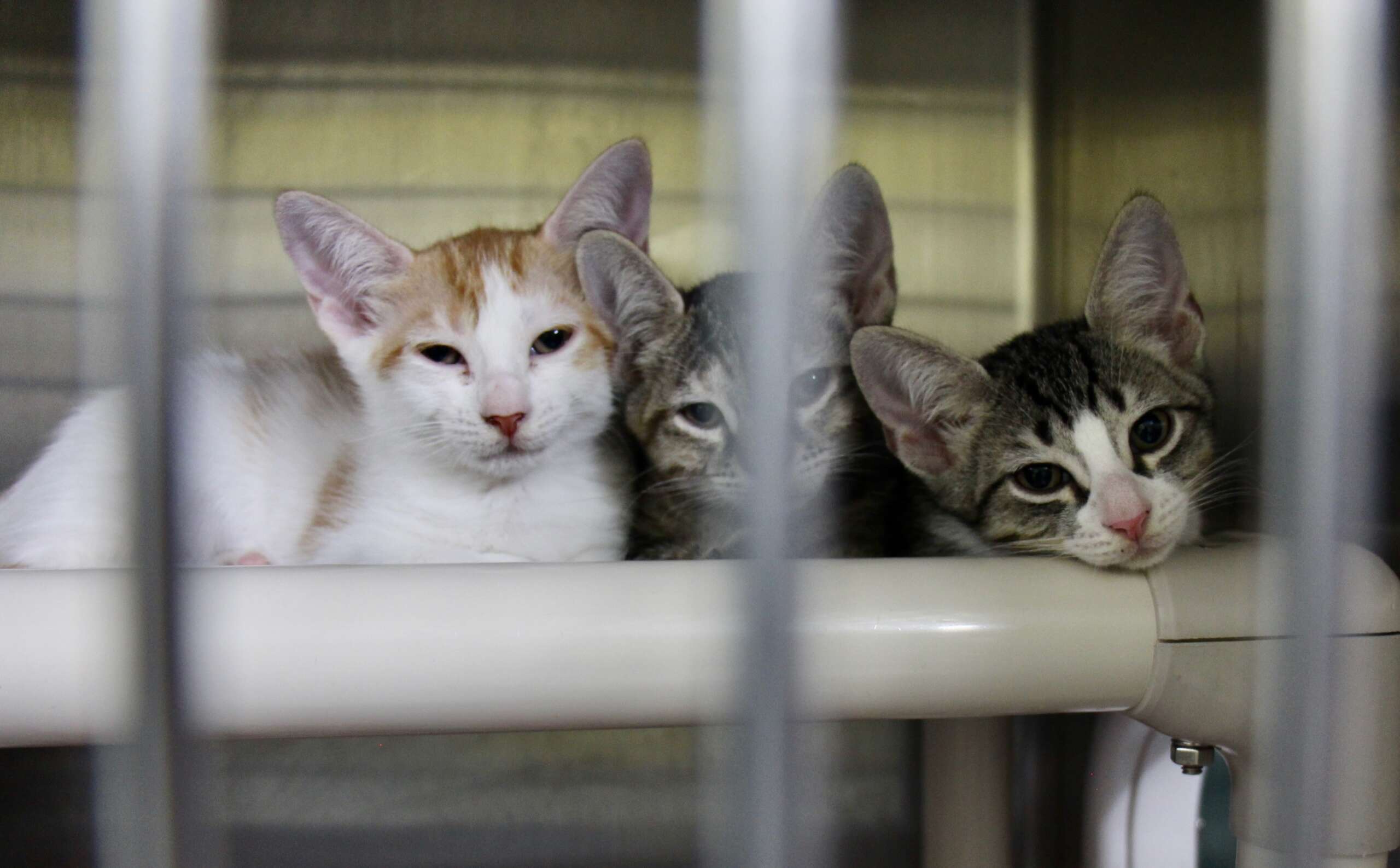
The Cayman Islands’ challenges with a growing number of unwanted animals are stretching the capacity of the non-profit sector.
As we reported, overpopulation is fuelling abuse and neglect of cats and dogs and the ability to deal with the issue is spiralling out of control.
Here we look at four potential solutions, proposed by charity leaders, that could help fix the crisis.
1. National spay and neuter program
Cayman’s six main animal charities have described pet overpopulation on the islands as “one of the most pressing animal welfare issues of our time”.
In a joint proposal, the non-profits urge government to partner with them on a national spay and neuter program. They suggest support be provided to enable private vets to help with the problem, as well as funding and supporting NPOs to provide mobile clinics.
“Spay and neuter is the only non-lethal, long-term solution available to address stray and feral populations. It is also the only way to ensure that owned animals do not produce unexpected litters that may end up on the streets, the Department of Agriculture shelter or at the Humane Society,” the proposal document indicates.
With a waiting list of hundreds of pets that need to be fixed, it is no longer possible for the non-profit sector to deal with this issue alone. Support from government, either financially, or to bring in vets on temporary permits to clear the backlog, is considered essential.
2. A new animal shelter
The Humane Society shelter is 40-years-old. It is too small, prone to flooding and is no-longer fit for purpose.
Dart’s support for a new facility adjacent to a planned rugby complex has fallen through and, with storm season approaching, the need is greater than ever.
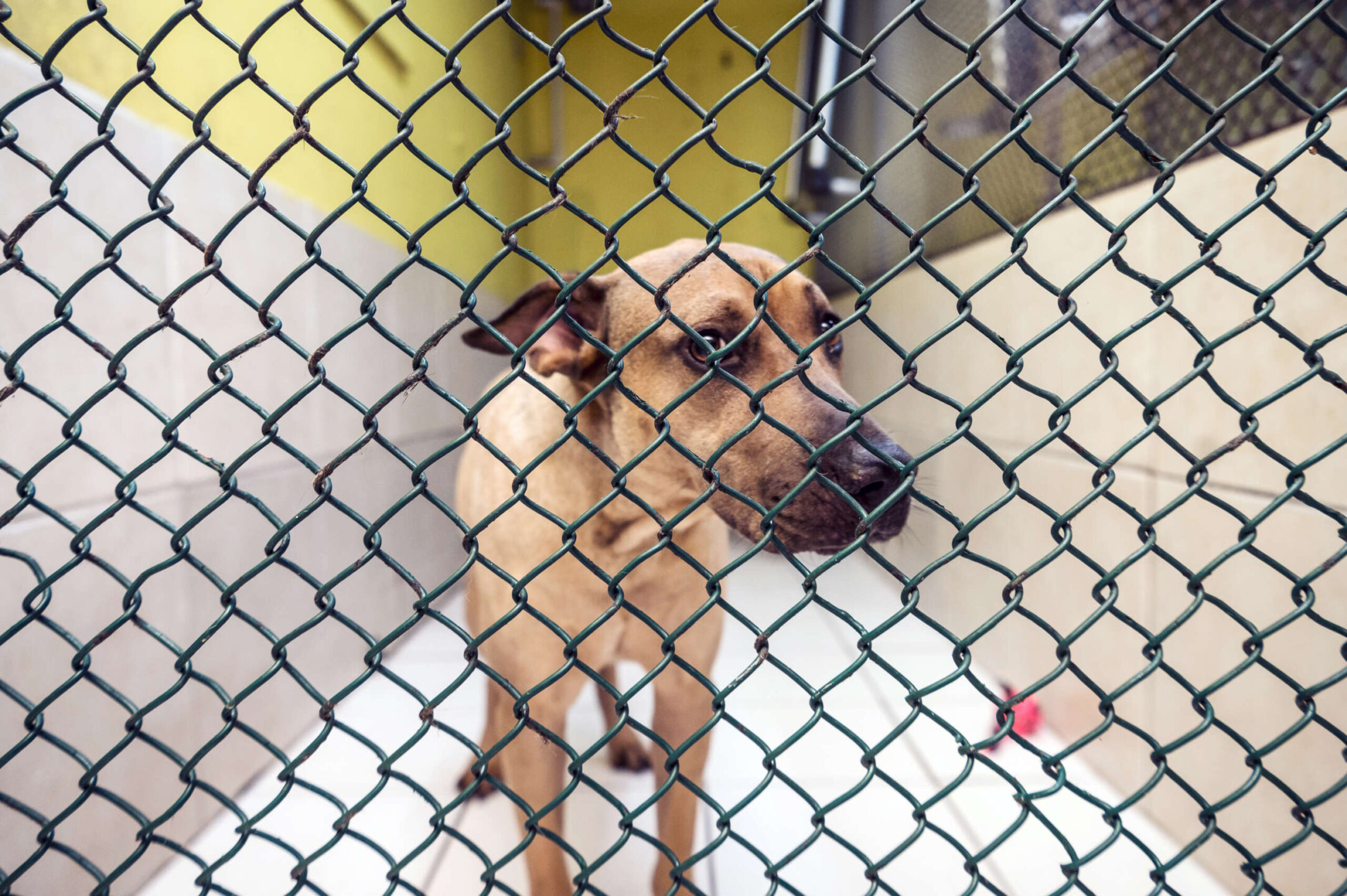
There is space in West Bay that could be developed but, for now, a solution seems a long way off.
Talks between the Humane Society and Dart appear to have reached an impasse, however the company has said it is still willing to donate land for a new shelter.
“Dart have had many discussions with the Cayman Islands Humane Society regarding an agreement to lease land for the construction of a purpose built animal shelter facility, most recently in 2021 when Dart offered a peppercorn lease agreement for an acre of land in Industrial Park,” a spokesperson told the Compass.
“Dart remain willing to explore opportunities to find a new location for the shelter.”
3. Education and enforcement on animal abuse
Horrific stories of abuse and neglect of pet animals continue to cause serious concern in Cayman. Animal welfare officers investigated 224 complaints since January 2020, according to data provided to the Compass.
Of those, 103 were found to have ‘no issue of concern’, 84 were resolved through ‘discussion and education’, 16 involved ‘formal improvement notices’ and 13 were recommended for prosecution.
This may represent the tip of the iceberg, with many more abused animals dumped on the streets or at the shelter.
Prosecutions remain few and far between and severe sentences, even in the worst cases, are rare.
A review of the Animals Law is planned and some advocates would like to see stiffer penalties. A licensing regime for pet-owners could also add a degree of control.
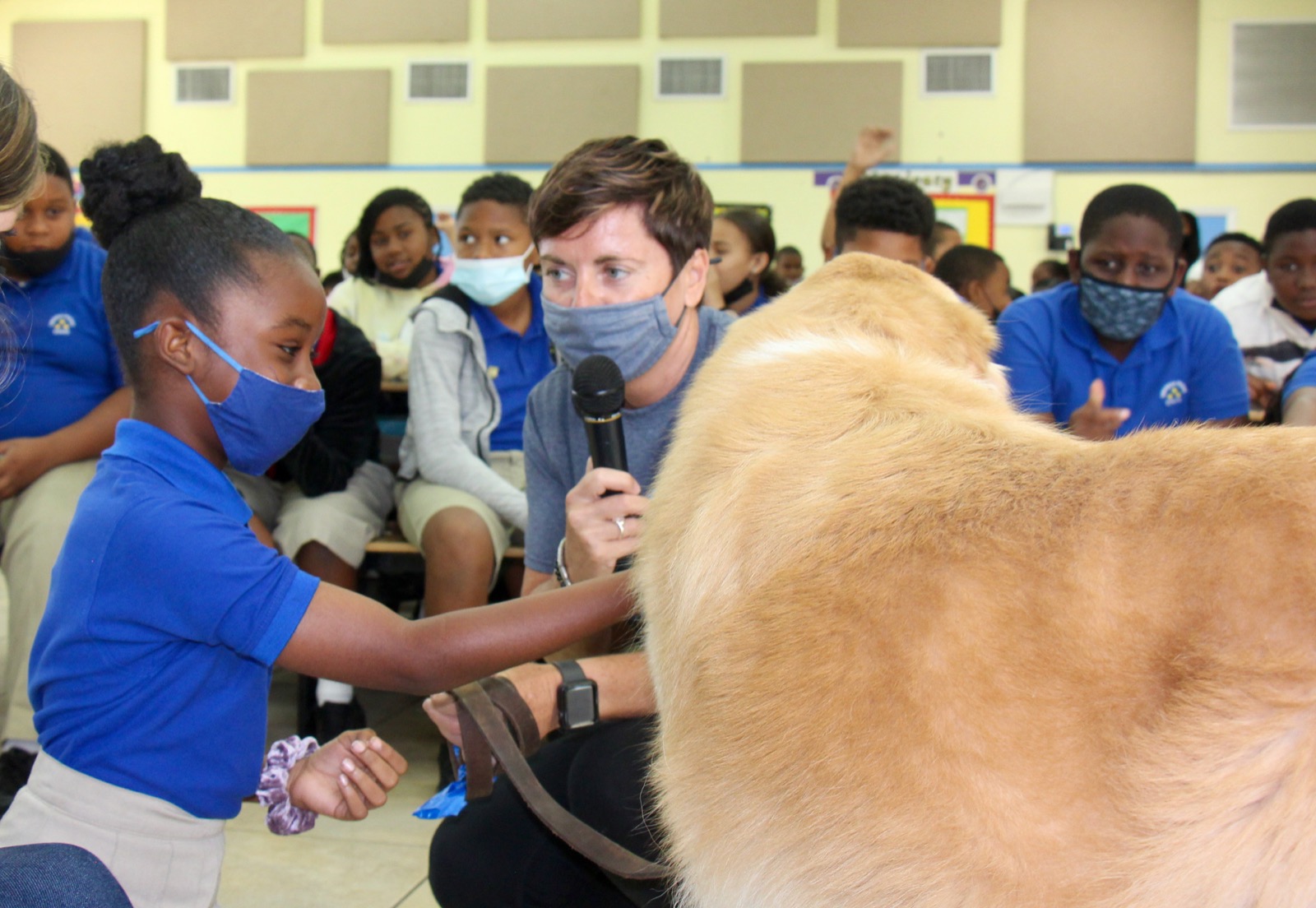
Education remains the best avenue to changing attitudes to animals, however. CARE’s kids programme seeks to teach responsible pet ownership to the next generation.
4. Time for an RSPCA presence in Cayman?
One obstacle to addressing animal abuse and neglect issues in Cayman is the absence of an organisation like the Royal Society for Prevention of Cruelty to Animals.
The Department of Agriculture and the police currently deal with many of these concerns in Cayman. But staffing issues and more urgent priorities, particularly for the police, mean resources don’t currently match the scale of the problem.
The RSPCA in the UK has broad statutory powers, including the ability to investigate and prosecute animal welfare cases. They also have a remit to educate and advocate for animals.
Legislative changes and training or funding for new staff would be needed to facilitate similar powers for Cayman’s non-profit sector.
Related Videos










Just wondering why they are not utilizing the veterinary students and possibly the medical students to assist with this?