

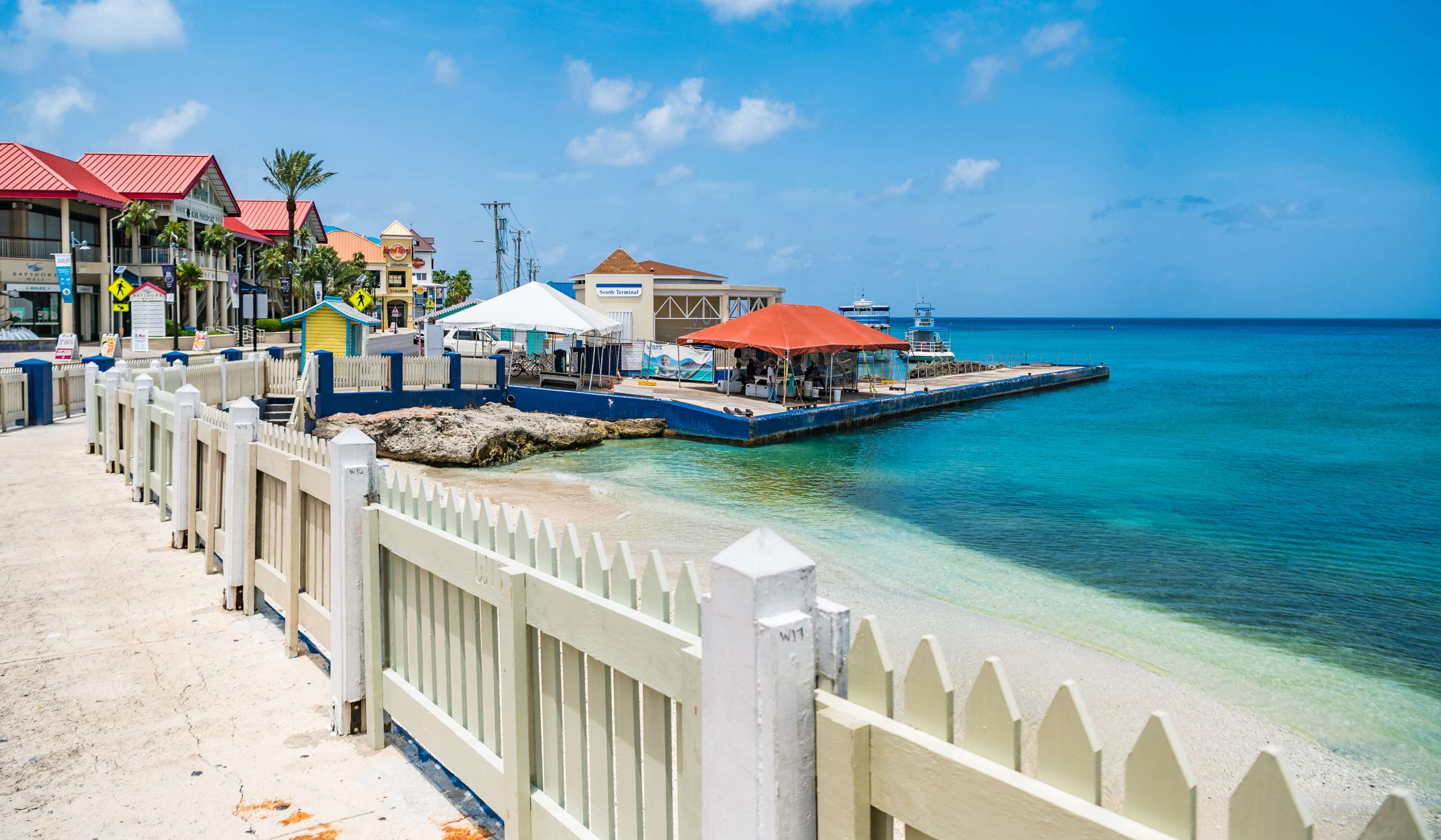
The removal of the remaining COVID-prevention barriers in Cayman has left the tourism sector on an “even keel”, even as the jurisdiction faces external factors inhibiting economic growth on a larger scale, according to Chamber of Commerce President Shomari Scott.
He cited concerns around the cost of doing business in the face of global inflation and looming risk of recession as some of the major issues Cayman’s business community is grappling with, as he spoke on the Compass weekly Facebook talkshow Wednesday ‘The Resh Hour‘.
Scott told the Compass‘ Reshma Ragoonath that removing the mask mandate and pre-arrival testing requirement had “done wonders” to leave the islands’ tourism businesses in a stronger position to tackle these wider challenges.
“At least we’re not fighting on one leg now; we’re on both legs now – even stance,” he said. “We look forward to working with government to get our business recovery to be as good as possible.”
But he cautioned it will be a “gradual growth” process to get the economy back to where it was, in light of external factors like the geo-political situation in Ukraine and the rising costs of fuel – barriers which he believes may impede the pace of a post-pandemic rebound.
He chimed a note of cautious optimism, stating, “I think we’re on a good track.”
Gateway to the City of Angels
Scott highlighted the expansion of Cayman Airways’ service to Los Angeles as a strategic move that he believes will pay off for Cayman’s business and tourism interests in the long run.
“Every sector was over the moon in regards to the potential” of the new route, he said.
He listed industries, from tech, to film and real estate, as well as tourism and the health sectors, as those that might benefit from a “new opportunity” to reach an untapped consumer base on the US West Coast.
Positioning Cayman as the only Caribbean island with a direct route to Los Angeles is “strategic, it makes sense,” he said, particularly for tourists “tired of travelling to Hawaii”.
“If American [Airlines] wants to jump in on the route, or another airline, it works for Cayman Islands incorporated,” he said.
“We’ll have a route that’ll continue for another 10, 20, 30 years,” he predicted.
Risks from rising costs and red tape
Nevertheless, Scott added that around three-quarters of Chamber members polled felt their biggest concern at the moment was the increase in the cost of doing business.
“There’s so much uncertainty right now,” he said. “We’ve already started to feel those impacts from the first quarter, when you’ll have seen the CPI index for the Cayman Islands.”
He said 73% of members polled on the state of business said the rising cost of doing business was their greatest worry.
“It’s the things that keep you up at night sort of question,” Scott described.
Second among members’ concerns was government regulation and red tape, he said.
Acknowledging there had been bottlenecks for members seeking work permits, Scott said the Chamber had seen improvements in this area, but the situation regarding workforce complexion remained something of a “mixed bag”.
“They’re starting to see more of the work permits coming through. The other challenges are… we, as a business community, need to do a better job in regards to training and succession planning to ensure we have Caymanians taking up those roles.”
The Chamber and Workforce Opportunities Residency Cayman (WORC) have been collaborating on online processes to make the permit process smoother, he said.
Some of the benefits of this system include being able to rank companies on “green lists”, fast tracking applications from those employers who aren’t on the “naughty list”.
Pension holidays and minimum wage
In the short term, Scott said, the pension holiday had been a lifeline for Chamber members, the majority of whom are small businesses.
“The pension holiday is helping them to stay alive,” he said.
Last month, Deputy Premier Chris Saunders announced Cabinet had extended the pension relief until September, amid concerns around the rising cost of living.
Scott acknowledged there are longer-term concerns regarding what will happen to people who will retire in the coming decades. He emphasised that pension reform was critical to enable Cayman to take care of its ageing workforce.
A further quandary for a business sector grappling with inflation is the issue of minimum wage, something Scott acknowledged was “a difficult question” to address, especially as companies seek to insulate the consumer from yet-further spiralling costs.
The minimum wage committee will be formally convened, Scott said, “in the next few weeks” to consider data and methodologies to ensure fairness to both employee and employer.
“I’m sure it will increase,” he predicted.
He said the Chamber would be part of the consultation process on the issue, but he wouldn’t be “that reckless” as to pinpoint to a dollar amount, without having taken into account proper consideration of the cost of doing business and what constituted a liveable wage.
Related Videos











Until TravelCayman is shut down, there remains a significant barrier to tourism and its recovery. If the rumour is true – that government signed a 2-year contract with its employees – then use them to clean up sargassum or actually answer telephones in government offices on behalf of staff who will not. But stop annoying our tourists with a terrible website and an out-of-its-time intrusion into their getaway planning. TravelCayman is definitely not “CaymanKind”.